Before neoadjuvant therapy, you need to communicate fully with your doctor about the presence of underlying conditions, for example, if you have hypertension or diabetes, how well your blood pressure and blood sugar are controlled, and let your doctor determine whether you need to refine some tests.
What tests do I need to have before neoadjuvant therapy?
Before neoadjuvant therapy, your doctor will ask if you have a history of heart, liver, or kidney disease. If you are taking other medications at the same time, your doctor will be aware of drug interactions that may aggravate your liver and kidneys.
There are some tests you may need to have:
- Tumor-related imaging (e.g., CT, MRI, ultrasound of the lymph nodes in the neck, gastrointestinal tract imaging, etc.) should be done. These tests are used as a “baseline” before treatment to facilitate comparison of outcomes and long-term follow-up after treatment.
- Blood tests, including routine blood work, liver function, kidney function, electrolyte levels, coagulation, etc. You need to have good bone marrow function, liver and kidney function, and no coagulation abnormalities.
- Electrocardiogram, echocardiogram, pulmonary function, and other tests to assess vital organ function also need to be completed.
- The pathological staging and staging of esophageal cancer is clearly defined and is the basis for the treatment plan. The doctor will obtain the lesion tissue under gastroscopy for pathologic diagnosis.
After your doctor understands your general condition and the tests are complete, he or she will further evaluate whether neoadjuvant therapy is feasible.
How should I and my family cooperate with my doctor during neoadjuvant radiotherapy?
What should I and my family do to cooperate with my doctor during neoadjuvant radiotherapy?
- During neoadjuvant treatment, you should communicate with your doctor about your response to treatment, such as whether your symptoms have decreased, any adverse effects and their severity, and changes in weight, so that your doctor can make individualized adjustments to your treatment plan. Throughout treatment, you will need to rest, take proper nutrition, and ensure some daily activity to avoid exertion and colds.
- Before infusing chemotherapy drugs, your doctor will routinely give you acid-suppressing drugs, antiemetics, and anti-allergy drugs to relieve symptoms such as heartburn, acid reflux, nausea and vomiting, and to prevent drug allergies before slowly infusing chemotherapy drugs. Some drugs may trigger allergic reactions, so it is best for your family to be with you during the infusion. You will also need to be hospitalized for observation during chemotherapy.
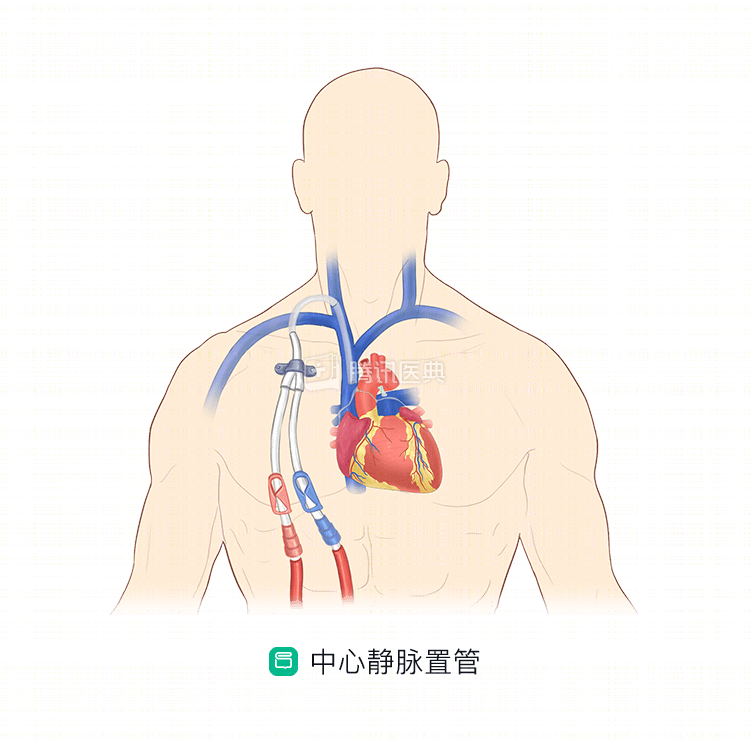
- Chemotherapy is mostly given by intravenous infusion. Fluorouracil drugs can cause chemotherapy-associated phlebitis, so you will need to choose between peripheral or central venous infusion, depending on the drug regimen. When a central venous line is used for infusion, you may need to take care of the catheter during your life.
- After 2 to 3 courses of treatment, you will need to review imaging tests such as CT to assess whether you can have radical surgery to remove the tumor, according to the time recommended by your doctor. For patients who can undergo radical resection, preoperative examinations and surgery should be scheduled in a timely manner.
It is worth reminding that some patients who are not doing well after treatment and whose tests suggest tumor progression should discontinue neoadjuvant therapy in time for your doctor to choose the most appropriate treatment for you.
Co-written by: Dr. You Jing, Peking University Cancer Hospital Dr. Liu Chang