Prostate specific antigen (PSA) is a substance produced by the prostate gland. elevated PSA levels may indicate prostate cancer or non-cancerous conditions such as prostatitis or prostate enlargement.
Normal men have PSA levels below 4 ng/ml, which is generally used as the threshold for prostate cancer. PSA levels are usually higher than 4 ng/ml in men with prostate cancer, but there are also patients with prostate cancer whose PSA shows normal levels.
Some studies have reported:
- Men with an abnormal rectal exam and a PSA below 4 ng/ml have a 15% chance of developing prostate cancer;
- People with PSA between 4 and 10 ng/ml have a 25% chance of developing prostate cancer;
- People with PSA above 10 ng/ml have a 25% chance of developing prostate cancer;
- People with PSA above 10 ng/ml will have up to 67% chance of developing prostate cancer.
In the past, most experts believed that the normal PSA level should be less than 4 ng/mL, and some recent studies have recommended lowering this threshold for PSA. Some researchers recommend using 2.5 or 3 ng/mL as the threshold, especially for relatively young patients who tend to have smaller prostate volumes and low PSA values, so young men should be alerted if their PSA is above 2.5 ng/mL.
As important as the PSA value is the trend in PSA (whether it is rising, how fast it is changing, and how long it lasts). Although current PSA testing is not perfect, many men with elevated PSA levels have benign prostatic hyperplasia, which is a normal part of aging; conversely, a normal PSA level does not rule out prostate cancer. However, it cannot be denied that most cases of early prostate cancer are detected by PSA blood tests.
The PSA test requires a blood draw, usually from the arm, and a wait of 2 to 3 hours for the test results.
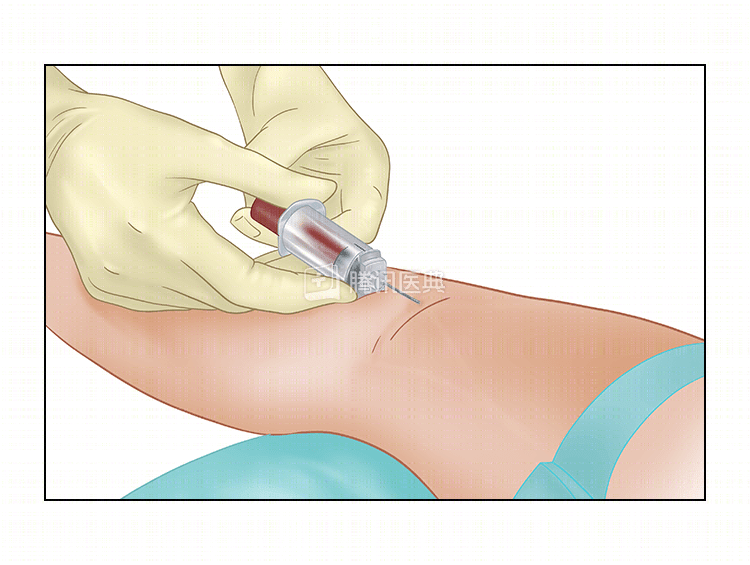
If your doctor suspects prostate cancer based on PSA levels or rectal fingerprint results, the next step is a prostate puncture biopsy, which is the only way to confirm the diagnosis of prostate cancer.
What does an elevated PSA level mean?
Elevated PSA levels can mean prostate cancer, or it can be a benign condition, such as prostatitis or an enlarged prostate.
PSA levels may also be influenced by other factors:
- Age. Even in the absence of prostate disease, PSA usually rises slowly with age.
- Medications. Some medications may affect blood PSA levels. Tell your healthcare provider if you are taking finasteride or dutasteride. These drugs may lower PSA levels to half the true level and cause prostate cancer to be missed.
If PSA levels are high, your doctor may recommend a prostate puncture biopsy to confirm the cancer.

Alternative tests for PSA
In addition to the PSA blood test, the following tests can help determine if further biopsy is needed, including:
- Free biopsy.
- Free PSA percentage: PSA has two main forms in the blood. One is attached to or bound to blood proteins, and the other circulates as a free form. Free PSA percentage is the proportion of free PSA to total PSA levels, and men with prostate cancer have a lower percentage of free PSA than normal men. Studies have shown that when PSA levels are in the range of 4 to 10, a low free PSA percentage (less than 10%) means that the likelihood of having prostate cancer is about 50% and a puncture biopsy is recommended. Some doctors recommend biopsy if the free PSA percentage is below 20.
.
- PSA rate: PSA rate is not a single test, but refers to the change in PSA levels over time. Even when the total PSA value is not higher than 4, a high PSA rate (an increase greater than 0.75 ng/mL over a year) means that a tumor may be present and a puncture biopsy is recommended.
- Urine PCA3 test: This urine test determines the presence of prostate cancer based on a high or low urine PCA3 value with high accuracy and is not affected by age, prostate volume, or other prostate disease (prostatitis). Urine PCA3 can be used as a supplement to the PSA blood test to determine if further biopsy is indicated. However, these tests are currently less commonly performed in China.
.
.
PSA testing after confirmation of diagnosis
While PSA testing is primarily used to screen for prostate cancer, it is also valuable for patients with established prostate cancer:
- It can be used to guide treatment. In combination with a physician’s examination and tumor staging, PSA testing can help determine the extent of prostate cancer progression, which may influence the choice of treatment options.
- One indicator to assess the effectiveness of treatment. After surgery or radiation therapy, PSA levels can be monitored to determine if treatment is working. If treatment has eliminated all the cancer cells, PSA levels usually fall to very low levels. In contrast, an increase in PSA levels may mean that prostate cancer cells are still present and that there is even the possibility of tumor recurrence.
If a “watch-and-wait” approach is chosen, PSA levels can tell whether the disease is progressing or whether aggressive treatment is needed.
During endocrine therapy, PSA levels may reflect whether treatment is working or help determine when to try other treatments.
Related articles: