Serum prostate-specific antigen (PSA) is now recognized as a specific marker for prostate cancer and is the primary method for screening and early diagnosis of prostate cancer.
But in recent years, there has been a national debate about tumor screening. If you search for “PSA screening” on a search engine, you may see a lot of disagreement, and even suggestions to just abolish PSA screening.
The debate began with randomized, controlled studies in the United States and Europe, and the results speak volumes about the shortcomings of PSA screening: the small survival benefit for patients and the significant overdiagnosis and overtreatment.
In this country, prostate cancer screening remains necessary
However, it is worth noting that after nearly 30 years of widespread use, middle-aged and older men in Europe and the United States are well aware of PSA screening and early diagnosis of prostate cancer, which is very different from the situation in China.
In fact, some media outlets have taken these results out of context and interpreted them in a way that overemphasizes the findings of the PSA screening study, but ignores the prerequisites for that conclusion, deliberately avoiding the vast differences in the incidence, disease composition, and prevalence of PSA screening between the United States and China.
For example, limited prostate cancer accounts for 78% of cases in the United States and nearly 50% of limited prostate cancer in Japan, whereas only about one-third of patients in China are initially diagnosed with limited lesions. The success of early diagnosis and treatment of prostate cancer in the United States is due to the availability of PSA screening.
Currently, the medical community at home and abroad recommends that the advantages and disadvantages of PSA screening be fully explained to the patient before screening, so that the patient can make an informed decision about whether or not to undergo the test in order to eliminate or reduce the risk of overdiagnosis. Therefore, PSA screening is still clinically important and relevant in our national context.
There is a consensus among national experts on prostate cancer screening
The 2017 domestic consensus recommendations for prostate cancer screening:
- Prostate cancer screening based on PSA testing for men in good health with a life expectancy of 10 years or more;
- Serum PSA testing should be performed every 2 years, with termination of PSA testing based on the patient’s age and health status;
- Serum PSA testing should be performed as early as possible for those at high risk for prostate cancer, which include.
- Men older than 50 years of age,
- Men older than 45 years of age with a family history of prostate cancer,
- Men older than 40 years of age with a family history of prostate cancer,
- Men >40 years of age with a baseline PSA >1 ng/ml.
PSA screening results are affected by many factors and need to be combined with other tests to confirm the diagnosis
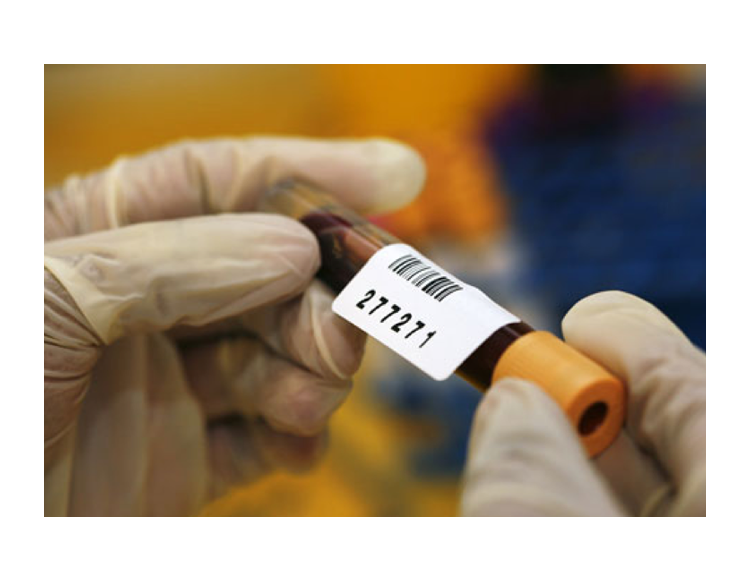
The current PSA test requires only 2 ml of blood from the arm and costs about $150 to $200.
In fact, PSA testing is influenced by many factors, and there is an objective margin of error in the results, so it needs to be combined with other clinical information and repeated if necessary.
Serum PSA values can be elevated to varying degrees in many cases:
- Serum PSA is also associated with age and prostate volume, increasing with age and prostate volume;
- Physical stimuli such as cystoscopy, catheterization, rectal manipulation, prostate massage, transrectal ultrasound, prostate puncture, acute urinary retention, severe constipation, ejaculation, or other prostate disorders such as acute prostatitis can also cause a transient increase in PSA values.
.
Therefore, it is important to look for any recent effects of these factors during the PSA test.
In conclusion, it is important not to be overly alarmed or to “talk about cancer” when PSA is found to be elevated. The first time you see a PSA increase, you should go to your urologist. If the above-mentioned factors are ruled out, and if the serum PSA is elevated for 3 consecutive tests, especially if there are abnormal nodules in the prostate on rectal exam, ultrasound or other imaging tests, you should be very alert and not take it lightly. This may require a prostate MRI and prostate puncture biopsy to further clarify if you have prostate cancer.