Does viral hepatitis A, an acute intestinal infection caused by the hepatitis A virus, develop into liver cancer?
Hepatitis A does not cause chronic infection
- Hepatitis A is mainly transmitted fecal-oral and is more common in children and adolescents
- The clinical features are loss of appetite, nausea, vomiting, fatigue, liver enlargement, and abnormal liver function.
- The course of viral hepatitis A is self-limiting and does not become chronic. Hepatitis A can heal spontaneously, and the immunopathologic damage to the liver caused by the hepatitis A virus is reversible and reversible.
Risk factors for hepatocellular carcinoma
The incidence of hepatocellular primary liver cancer is high in China, and studies have shown that the development of hepatocellular liver cancer is closely associated with hepatitis B virus infection, hepatitis C virus infection, and cirrhosis.
Hepatitis B virus and hepatitis C virus infection
Chronic carriers of hepatitis B account for 10% to 15% of the population in China, especially in the high prevalence areas of the southeast coast, and those with a background of hepatitis B infection account for more than 90% of patients with primary liver cancer.
- Hepatitis C antibody positivity is significantly higher in patients with liver cancer in Japan and Europe than in the general population. For example, in Spain, the positive rate of hepatitis C virus antibodies in patients with hepatocellular carcinoma was 75% compared with 7.3% in the general population; in Italy, the positive rate of hepatitis C antibodies in patients with hepatocellular carcinoma was 65%; and in Japan, the positive rate of hepatitis C antibodies in patients with hepatocellular carcinoma was 70.3%.
- In China, the positive rate of hepatitis C antibody in patients with liver cancer is not very high (about 10%), mainly because of the large population of hepatitis B-infected patients and the relatively small population of hepatitis C-infected patients, which results in the majority of hepatitis B virus-infected patients with liver cancer.
Because hepatitis B and C can present as chronic infections, once infected with the hepatitis B virus or hepatitis C virus, the disease is not easily controlled and the virus can remain latent in the body for a long time, called the immune tolerance period. The virus is then active when the body is immune, thus entering the immune active phase.
Recurrent hepatocellular injury and hepatocyte regeneration caused by hepatitis B virus increases the susceptibility of hepatocytes to oncogenic factors such as aflatoxin, and the integration of hepatitis B virus DNA into the genome of hepatocytes, together with some complex mechanisms of viral molecular biology, leads to the development of hepatocellular liver cancer. The same is true for hepatitis C. Repeated hepatocellular damage and proliferation are strongly associated with the development of hepatocellular carcinoma.
Cirrhosis of the liver
Cirrhosis is closely associated with the development of hepatocellular liver cancer. Autopsy material from 500 cases of liver cancer in China showed a combined rate of 83.6% for liver cancer and cirrhosis, demonstrating the close relationship between cirrhosis and liver cancer. Cirrhosis is the result of long-term damage to hepatocytes by hepatitis virus, alcohol, etc. Under the long-term damage of these pathological factors, hepatocytes are repeatedly damaged, proliferated, and even atypically proliferated, thus becoming sensitive to various carcinogenic factors and developing carcinogenesis through multiple etiologies and stages of damage.
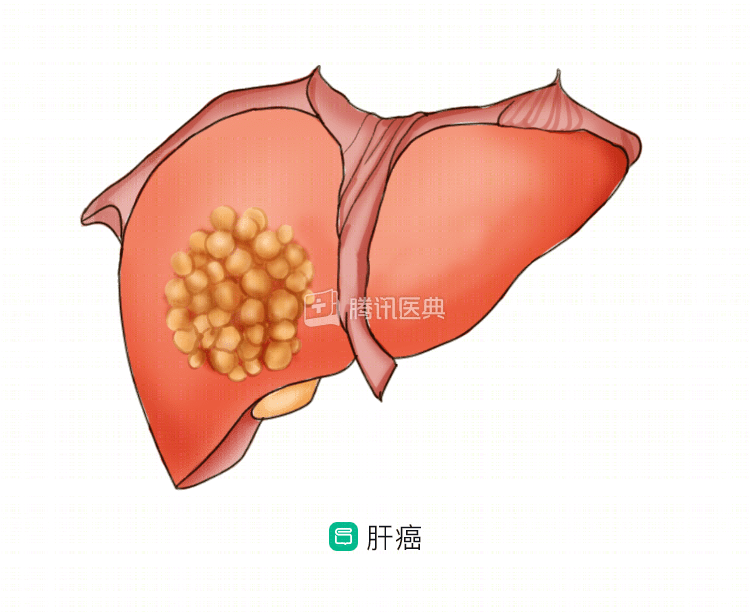
Hepatitis A does not cause liver cancer
Hepatitis A virus infection does not lead to a chronic process, and cirrhosis rarely occurs. Therefore, the occurrence of hepatitis A does not usually lead to the development of liver cancer unless the patient has the hepatitis B virus themselves or has developed hepatitis C, on top of which hepatitis A overlaps.