Both prostate ultrasound and puncture biopsy can provide insight into abnormal findings on rectal exam or prostate specific antigen (PSA) testing.
Prostate ultrasound uses a finger-sized probe that is inserted a short distance into the rectum. The probe produces harmless high-frequency sound waves, inaudible to the human ear, which bounce off the surface of the prostate and are then recorded and converted into a video or image of the prostate. The probe can provide images from different angles to help doctors estimate the size of the prostate and detect abnormal growths.
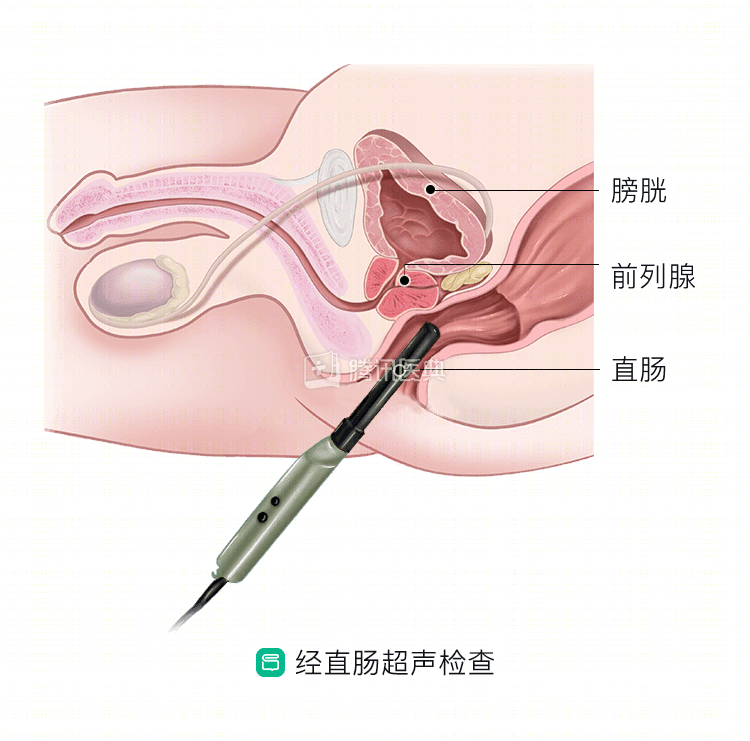
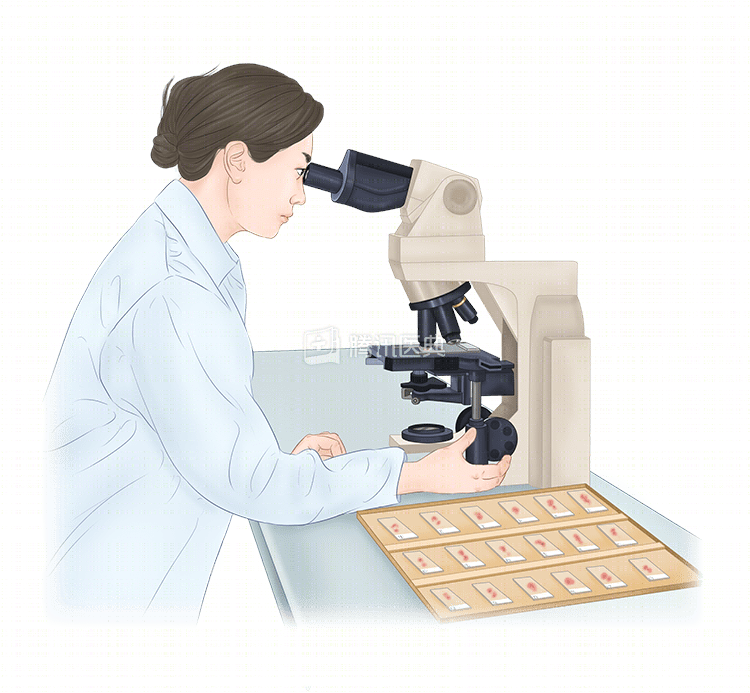
Prostate biopsies use transrectal ultrasound imaging to guide several small needles through the rectal wall into the prostate to examine areas of abnormality. The needles can aspirate minute amounts of prostate tissue, usually requiring six or more biopsy samples to be taken to examine all areas of the prostate. The tissue samples are then analyzed pathologically in the laboratory, and if a diagnosis of malignancy is confirmed, the physician will stage the tumor and determine the likelihood of aggressiveness or spread.
Some doctors perform a biopsy through the perineum (the area between the scrotum and rectum). Researchers are studying different biopsy manipulations to maximize the accuracy of these biopsy results.
Preparation for biopsy
Before undergoing prostate ultrasound and biopsy, the following points should be noted:
Specific diseases
- Advise your doctor if you have lung or heart disease, and any other medical conditions, or if you have drug allergies.
- Advise your doctor if you have an artificial heart valve, or if you have previously required antibiotics before undergoing dental and surgical procedures. Patients with these conditions should also take antibiotics before having a prostate biopsy.
Medications
Tell your doctor if you are taking warfarin, clopidogrel, rivaroxaban, or other anticoagulant medications. Your doctor will advise if these medications need to be stopped about a week before the test or prescribe other alternative medications that can be substituted.
One week before the biopsy, do not take aspirin and any medications containing aspirin, and avoid antipyretic and anti-inflammatory medications such as acetaminophen, ibuprofen, naproxen, and indomethacin.
Patients will be given antibiotics the night before the test or the morning of the procedure to prevent infection.
Note: Keep your doctor informed of medications you are taking; do not stop taking any medications without your doctor’s permission.
Diet
Take care to eat a light diet before the examination; you may drink only beverages (e.g., juice, broth, etc.) on the morning of the procedure.
Enema
Patients will receive an enema to empty the rectum before the biopsy to reduce the risk of infection. Home enemas may be requested, and care should be taken to allow the enema to remain in the body for at least 5 minutes before defecating.
Procedure of the biopsy
On the day of the puncture, the doctor or nurse will inform about possible complications and side effects, and the patient may initiate questions. The test is usually performed by a urologist and the entire procedure takes about 10 to 20 minutes.
The patient will be in a left lateral position with knees flexed.
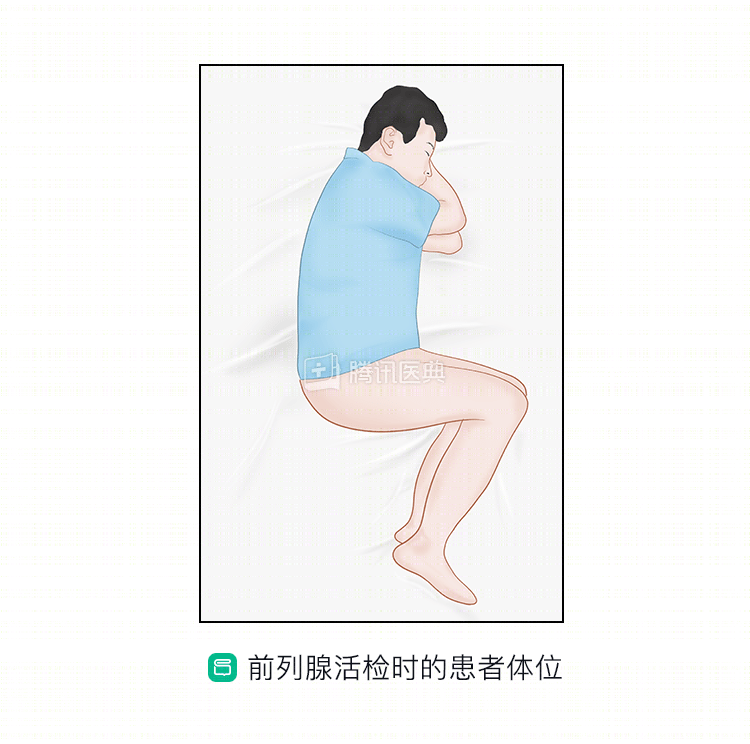
The ultrasound probe will be inserted into the rectum and the biopsy sample will be removed. The extraction of the sample may cause discomfort, and the physician will use local anesthetic medication to reduce this discomfort.
Post-biopsy precautions
The biopsy sample will be sent to the laboratory for analysis, and results are usually available within a week. During this time, the following points should be noted:
- Normal diet and activities can be resumed.
- Do not take aspirin, aspirin-containing medications, or antipyretic anti-inflammatory drugs for at least 3 days after the biopsy.
- Drink 6 to 8 glasses of water a day for 3 days after the test to help flush the urinary tract.
- A small amount of blood may be found in the urine, semen, or stool for 7 days after the test.
- If you feel rectal pain, soak in a warm bath for 20 minutes to relieve the discomfort.
- Take antibiotics as prescribed by your doctor and try to avoid missing doses.
Contact the nearest emergency department if you experience any of the following:
- Fever
- Hard to urinate
- Blood in the urine that does not go away or lessen with more water
- Blood clots in the urine
Related articles: