Often people will ask, “Can I catch liver cancer if I live or work with a liver cancer patient?” Is liver cancer contagious or not, and will it spread widely from person to person, like infectious diseases such as measles and hepatitis? This is indeed a great concern for everyone.
Hepatocellular carcinoma is not contagious, but hepatitis is
First of all, let’s be clear: liver cancer itself is not contagious. Cancer is a disease caused by the accumulation of multiple genetic mutations, not an infectious disease, so you can’t catch liver cancer by living with someone who has it.
But it is important to note that the development of liver cancer is strongly associated with hepatitis B and C, which are infectious diseases. The majority of patients with liver cancer are infected with viral hepatitis B or C. If the virus is still active in these patients [positive hepatitis B DNA (HBV-DNA) or hepatitis C RNA (HCV-RNA) indicators indicate that the virus is active in the patient’s body, the higher the value the more viral replication and the more infectious it is], it is possible for family members to be infected with the virus and develop viral hepatitis. China is a large country with hepatitis B, and a considerable proportion of liver cancer patients develop from viral hepatitis B. Therefore, liver cancer is not contagious, while viral hepatitis B or C, which causes liver cancer, is contagious.
Don’t panic about hepatitis transmission, but focus on transmission routes
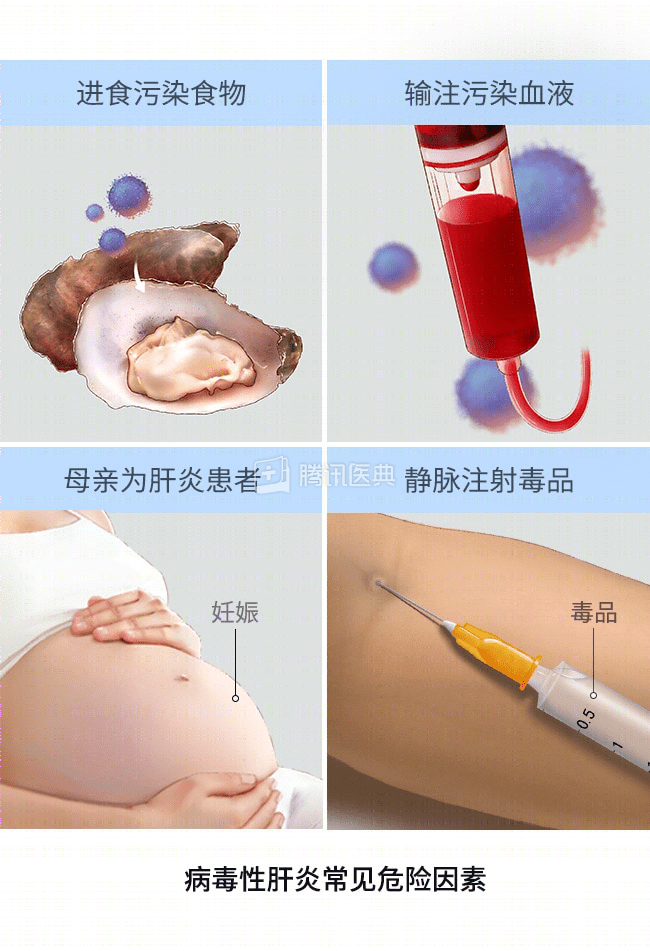
Hepatitis B and C are contagious, but they are transmitted mainly by body fluids, which means blood, mother-to-child, and sexual transmission. Sharing needles, maternity of mothers with viral hepatitis, breastfeeding, and couples sharing rooms may lead to transmission. Among them, mother-to-child transmission is one of the most important transmission routes, and about 40% of hepatitis B carriers (hepatitis B) in China are caused by mother-to-child transmission. The hepatitis B virus causes hepatitis B, which may progress to liver cancer over time.
What to look for on a daily basis when living or working with someone with liver cancer
As we can see from the description above, liver cancer is not contagious, but if it develops from hepatitis B/C, you need to be concerned about the activity of the hepatitis. A part of liver cancer patients, the hepatitis virus in their body is still in active replication, which means that it is highly contagious, and this part of liver cancer patients, is to be protected. Protective measures include the following categories:
Lactation:
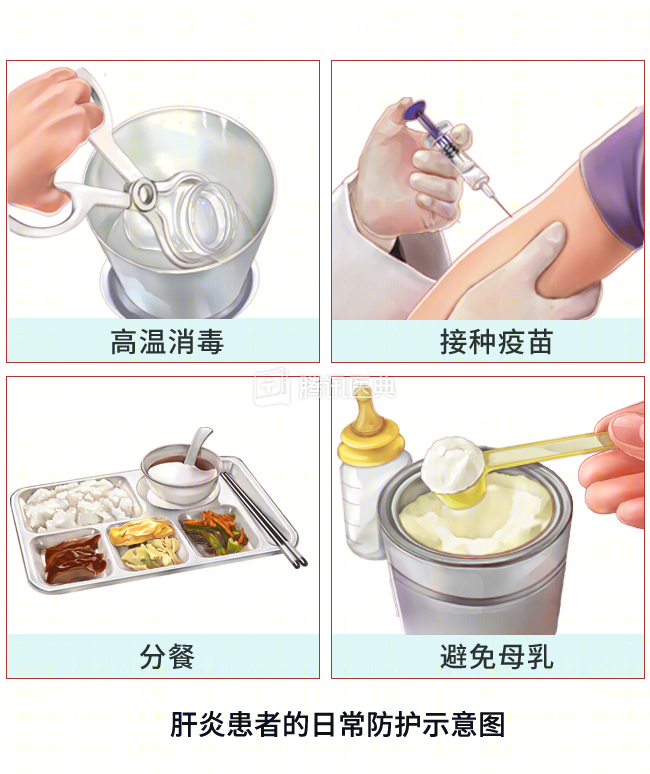
Lactation should be avoided in patients with liver cancer who are currently in active viral replication.
Eating:
Even if you are a carrier with an actively replicating virus, it is difficult to pass it on to others when you eat together, so you can relax. However, when there are wounds in the mouth, such as bleeding gums, mouth ulcers, red throat, erosion of the tonsils, etc., it is possible for the hepatitis B/C virus to be transmitted through the wounds if you eat with a hepatitis B/C patient at this time.
To prevent transmission of the virus through wounds, it is advisable to advocate meal sharing and communal chopsticks when eating together, which is very good for preventing other viruses that can be transmitted through saliva.
Sexuality:
For people with liver cancer who have active replication of the virus, it is important to protect themselves during sex by using condoms for safety measures. The patient should also pay attention to the way of sexual life and avoid high-risk behaviors such as menstrual intercourse, oral sex, and anal sex to avoid unnecessary skin and mucous membrane breakage.
Disinfection:
Proper disinfection at home can greatly reduce the chance of virus transmission. As the saying goes, “prevention is better than cure”, and disinfection methods can be chosen according to the actual situation.
Vaccination:
If the patient developed liver cancer from hepatitis B, the family is advised to check the five hepatitis B tests. Check whether there are antibodies to hepatitis B. If there are no antibodies, get the hepatitis B vaccine in time. If the test reveals that a family member is infected with hepatitis B, they need to seek early medical attention, cooperate with treatment, and be reviewed regularly.
If the patient developed liver cancer through hepatitis C, there is no suitable vaccine to prevent hepatitis C. It is mainly transmitted through blood and sexual contact, and family members should be careful not to share razors, dental tools, etc.