Postoperatively, you will have more drainage systems in place, and the drains that may be routinely left in place are: duodenal drains, enteral nutrition tubes, gastrointestinal decompression tubes, and drains used for drainage of the chest, mediastinum, abdomen, and neck incision, as well as urinary catheters to facilitate urination.
The presence of these drains may cause you discomfort. However, to help you recover and to help your doctor keep track of your status, please understand the practice of placing drains.
The timing of the cessation of drainage is usually determined by the surgeon, based on intraoperative conditions and habits, and the surgeon will always assess and manage these conditions.
Why are drains placed?
Take gastrointestinal decompression drainage as an example: during the esophagectomy, the stomach is trimmed to create a “tubular stomach,” which reduces the volume of the stomach; for a short time after surgery, the pylorus of the stomach is “closed,” but there is still about 500 to 1000 ml of gastric acid and mucus per day. For a short period of time after surgery, the pylorus of the stomach is “closed”, but about 500 to 1000 ml of gastric acid and mucus are still secreted daily. If gastrointestinal decompression and drainage is not used, the stomach and intestines may be overly distended, compressing the blood vessels of the gastrointestinal wall and affecting blood circulation, as well as affecting wound healing and functional recovery. Therefore, postoperative drainage of gastric fluid by gastrointestinal decompression is required.
In addition, to ensure adequate intravenous rehydration, peripheral and central venous catheters will need to be left in place to ensure daily physiologic fluid requirements of the body; postoperative enteral nutrition support therapy requires a nutrition pump 24-hour continuous pumping, and the accompanying lines (Figures 1-3) will be placed around the bed until discharge.
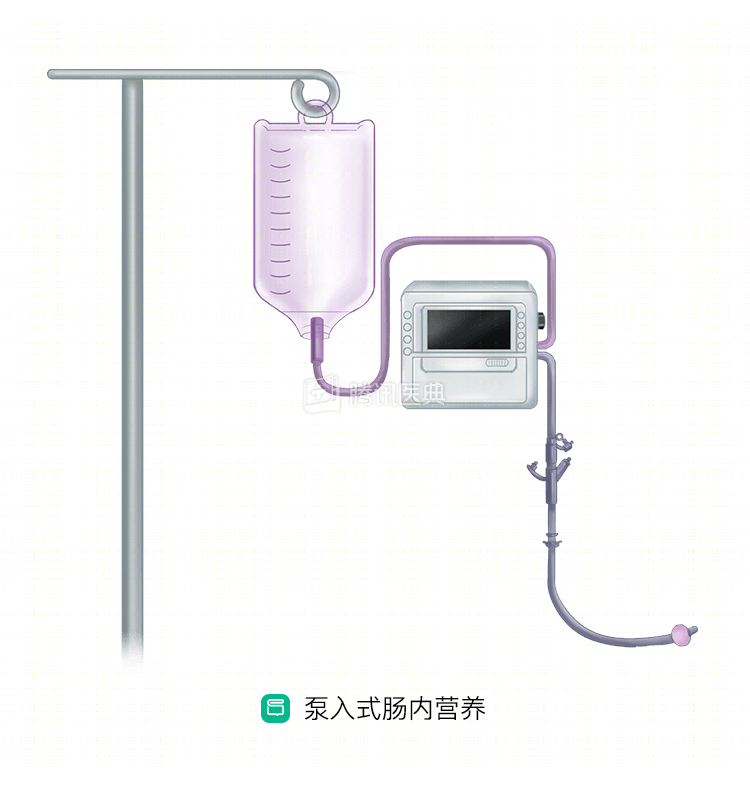
Figure 1. Pump-in enteral nutrition
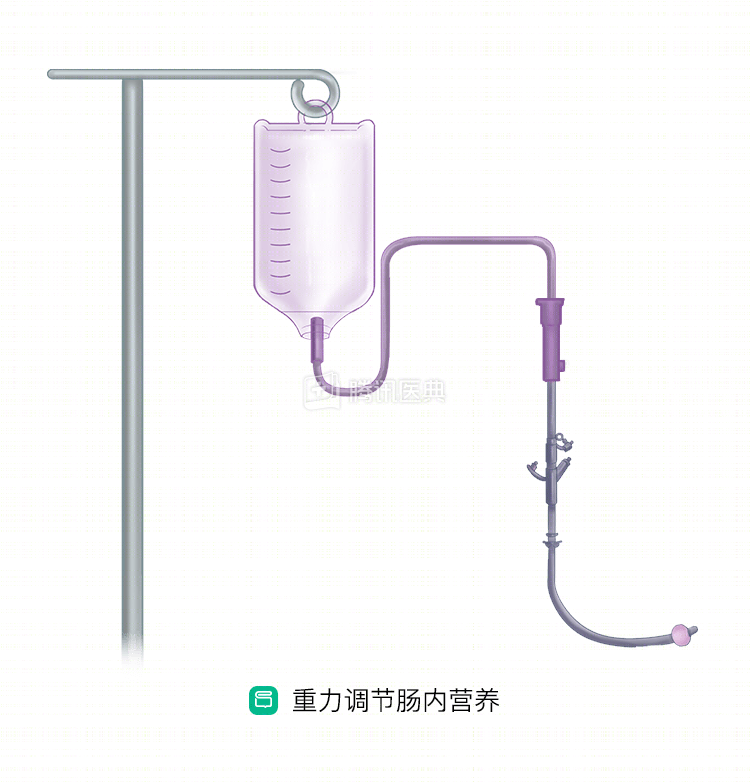
Figure 2. Gravity-regulated enteral nutrition
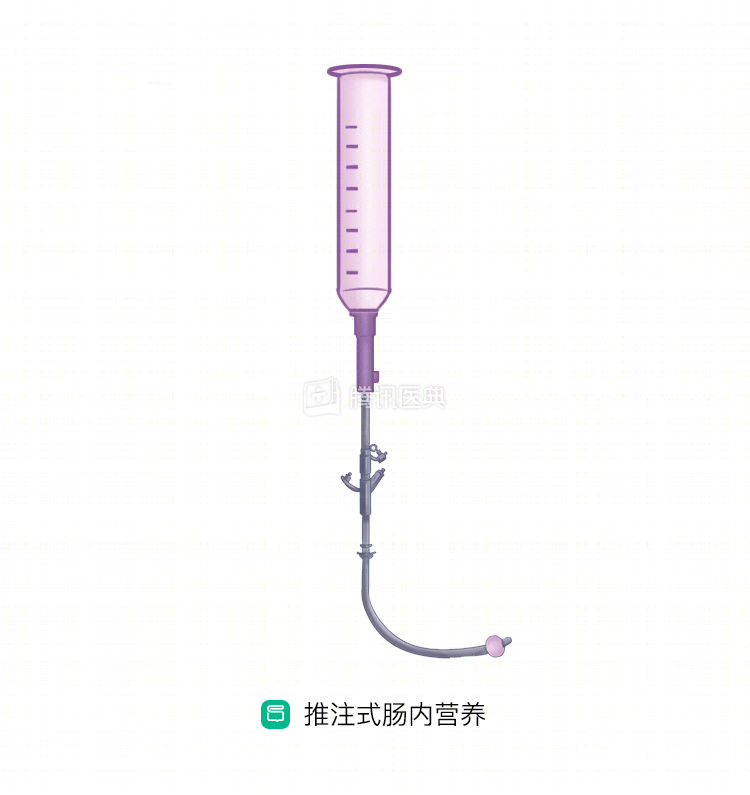
Figure 3. Push-in enteral nutrition
The last thing I want to say to you is that surgery is critical for resectable esophageal cancer, but after all, you are receiving a traumatic treatment, so your body will certainly undergo some changes after surgery. It will take a concerted effort by you and your doctor to recover as quickly as possible.