External radiation therapy is indicated for any patient whose tumor is confined to the prostate (limited prostate cancer).
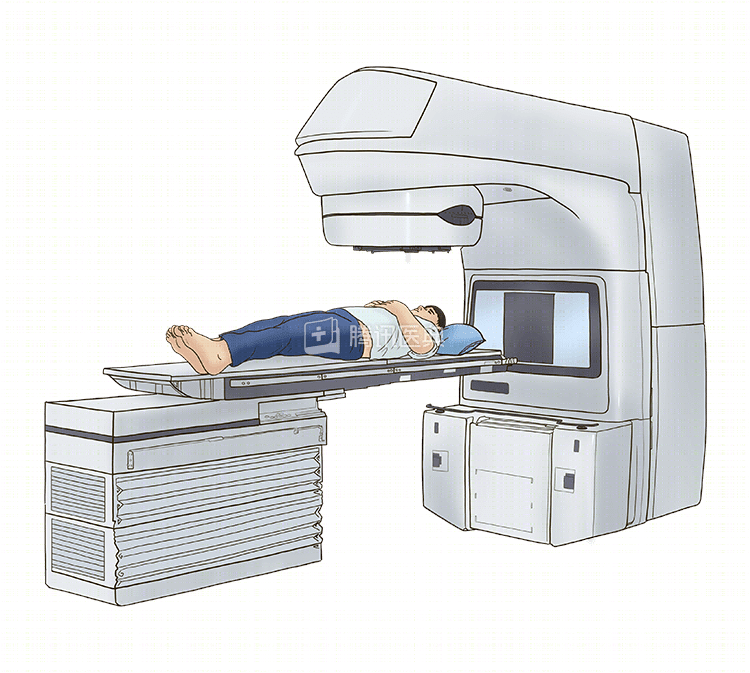
Radiotherapy for prostate cancer is divided into external radiation therapy and internal radiation therapy. Radiation therapy can affect those cells that are actively dividing, which are tumor cells, by destroying components of the DNA, and can directly kill or at least control the growth of tumors in the prostate.
External radiation therapy is painless, non-invasive, and a very popular treatment for prostate cancer, with roughly 20% of prostate cancer patients receiving external radiation therapy each year.
So, which prostate cancer patients are candidates for external radiation therapy?
In fact, any patient whose tumor is confined to the prostate is a candidate for external radiation therapy.
Specifically, there are several cases:
- Patients older than 75 years, especially those with PSA less than 10 ng/ml, Gleason score less than 6, and no other causes of extensive abdominal scarring;
- Patients who are not candidates for surgery because of significant chronic health problems or who have large tumors that are difficult to remove surgically;
- Patients with a small amount of tumor invasion outside of the prostate envelope.
Radiotherapy can be administered as a single treatment or in combination with endocrine therapy or after radical prostatectomy.