1. What is prostate cancer?
.
Prostate cancer is a tumor that forms in the prostate gland area of men. The prostate gland is about the size of a chestnut, is located below the bladder, and is capable of producing some of the components of semen.
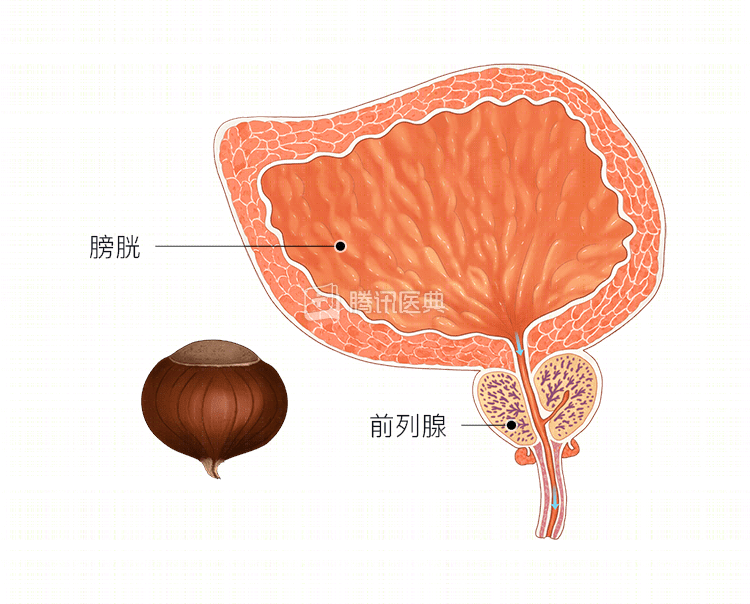
Prostate cancer is one of the most common cancers in men, but most grow very slowly and do not cause noticeable symptoms. However, certain types of prostate cancer can be more dangerous and can spread quickly if left untreated.
Prostate cancer has become the number one malignancy among men in the United States, and the incidence of prostate cancer in China is increasing every year.
Fortunately, with the widespread availability of prostate cancer screening, many patients can be accurately diagnosed and effectively treated at an early stage, with a 5-year survival rate of up to 90%. The 5-year survival rate is significantly lower for patients with advanced metastases elsewhere at the time of diagnosis, but standardized and comprehensive treatment in the hospital can still effectively control tumor progression and extend life.
2. What are the symptoms of prostate cancer?
The early stages of prostate cancer are not as common as they should be.
Early stage prostate cancer is usually asymptomatic and progression may irritate the bladder, urethra, seminal vesicles, etc:
- Frequent urination, especially increased nighttime urination
- Difficulty in urination
- Weak or intermittent urine flow
- Pain or burning sensation during urination or ejaculation
- Hematuria or blood in the semen
Advanced prostate cancer may also present with pain in the lower back, hip, or thigh area, and possibly more distant bone pain.
3. What diseases have similar symptoms to prostate cancer?
.
The prostate gland grows older and sometimes presses on the bladder or urethra, causing symptoms similar to prostate cancer, such as frequent urination, urgency, heavy nighttime urination, and difficulty urinating. If the symptoms are severe, they can be managed with medications, surgery, and other treatments.
There is also a common condition in young and middle-aged patients that causes urinary symptoms – prostatitis, which also causes pain in the perineum and requires medication in most cases.
4. What conditions increase the risk of getting prostate cancer?
.
- Age: Age is the biggest risk factor, especially after men reach the age of 50, when the chance of getting prostate cancer increases significantly.
- Family history.
- Family history: Having a father or brother with prostate cancer doubles one’s risk of developing the disease.
- Race: Black men have the highest incidence of prostate cancer compared to other races.
- Diet: A high-fat diet, especially animal fat from red meat, can elevate androgen levels in men, which promotes cancer cell growth. Vegetables and fruits, on the other hand, may reduce the incidence of prostate cancer.
Some people believe that frequent sex, vasectomies, and masturbation cause prostate cancer, which is false; in fact, many studies show that more frequent ejaculation also reduces the risk of prostate cancer. In addition, having an enlarged prostate or prostatitis does not mean an elevated risk of prostate cancer.
5. Can prostate cancer be detected early?
.
Regular screening can detect prostate cancer early, but not all men of all ages need to be routinely screened for prostate cancer. This is because when screening finds some slow-growing prostate cancers that do not require treatment, it can cause patients to panic and result in unnecessary treatment.
The American Cancer Society recommends that men over age 50 discuss screening with their doctor, that men with a family history of prostate cancer be screened starting at age 45, and that screening start at age 40 if there are multiple men in the family with prostate cancer.
6. How do I get early screening for prostate cancer?
.
Rectal exam + PSA test
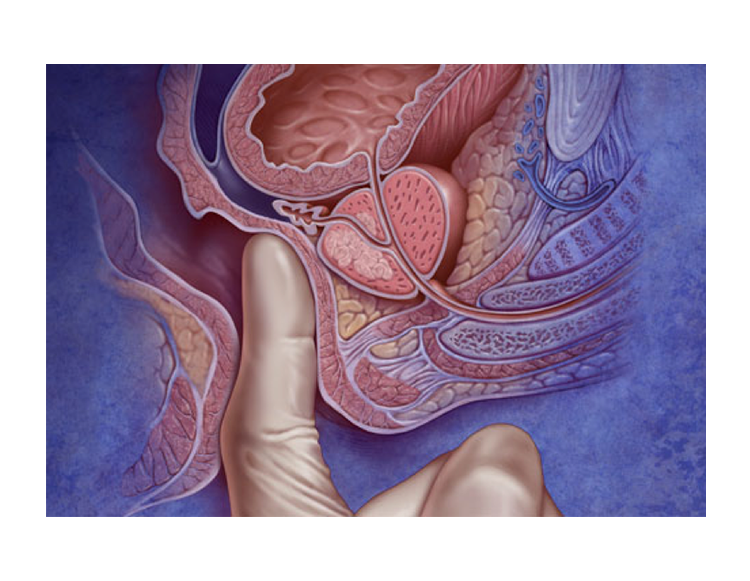
Prostate specific antigen (PSA) is a protein produced by prostate cells, and an elevated PSA level means a higher chance of having prostate cancer. However, some people have high PSA levels but do not have cancer, and others have prostate cancer despite normal PSA levels, so other tests are needed to confirm the diagnosis.
7. What do you think about PSA test results?
.
The normal level of PSA in the blood should be 4 ng/mL or less, and a PSA of 10 or more indicates a high risk of cancer. However, there are many exceptions:
- Some people with prostate cancer have a PSA below 4;
- Patients with prostatitis or prostate enlargement may have elevated PSA levels, but may not have cancer;
- Some medications used to treat BPH can lower blood PSA levels, which can lead to a “false negative” if a person with prostate cancer takes these medications.
In short, if any of the PSA tests or rectal exams are abnormal, your doctor will use other tests to confirm the diagnosis.
8. When do I need a prostate puncture biopsy?
.
If an abnormal rectal exam, PSA test, or ultrasound or CT results are found, your doctor may recommend a prostate puncture biopsy, in which a needle is inserted through the rectal wall or the skin between the rectum and scrotum, into the prostate, and multiple small tissue samples are removed and looked at under a microscope. Biopsies are the most accurate means of detecting cancer, confirming the diagnosis and determining whether the cancer is slow-growing or aggressive.
9. What is the Gleason score?
.
After a prostate puncture is performed to confirm the diagnosis, the pathologist will look at the tissue under a microscope and grade it pathologically. The Gleason scoring system is now commonly used for grading prostate cancer.
Prostate cancer tissue is divided into major-graded and minor-graded areas, each with a Gleason score of 1 to 5. The sum of the scores of the two areas is the Gleason score (range: 2 to 10, with 2 being the least aggressive and 10 being the most aggressive). which treatment modality to choose.
10.
10. What imaging tests should be done for prostate cancer?
.
Some patients need imaging to determine the location and size of the tumor and whether the cancer has spread, including ultrasound, CT and MRI, radionuclide bone scan, and PET-CT.
CT, MRI, and PET-CT all have better resolution and accuracy to better understand the tumor; radionuclide bone scans are performed by injecting a low-radioactive substance for tracing to help determine if the cancer has metastasized to the bone.
11. How is prostate cancer staged?
Staging is done to describe the location, size, and whether the prostate cancer has metastasized, thus helping to choose the best treatment.
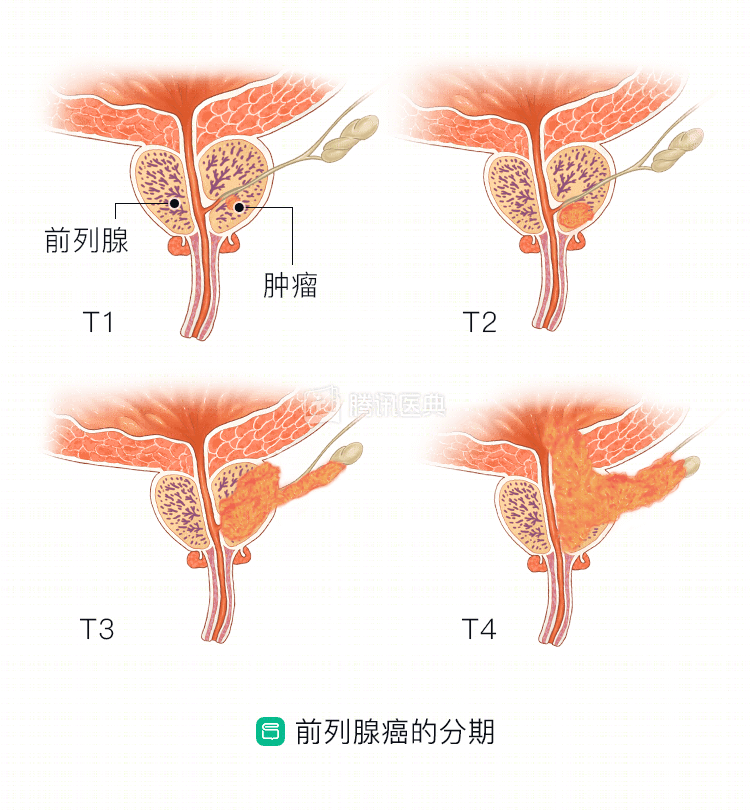
- Stage 1: Cancer is small or found by puncture and is located inside the prostate.
- Stage 2: Cancer appears to progress, but remains confined to the prostate.
- Stage 3: Cancer has spread beyond the prostate and to the nearby seminal vesicles.
- Stage 4: Cancer spreads to the lymph nodes, nearby organs (such as the bladder or rectum), or distant organs (such as the bone or lungs).
12. When does prostate cancer not need to be treated, just watch and wait?
For patients with low-risk prostate cancer, doctors may recommend watchful waiting, which means that they do not treat the disease but monitor its progress regularly and give treatment when there is progression of the disease or when symptoms are more pronounced.
Some patients who are older or in poor health also do not need treatment, and usually only those who are relatively young or whose tumors are more aggressive are treated aggressively.
13. When do I need radiotherapy for prostate cancer?
.
The main radiotherapy options for prostate cancer include external radiation therapy and brachytherapy.
- External radiation therapy is one of the first treatment options after prostate cancer surgery, killing cancer cells and also relieving bone pain caused by the spread of cancer.
- Short irradiation therapy involves implanting radioactive particles the size of a grain of rice into the prostate to kill the tumor.
Both methods may affect erectile function and may cause side effects such as weakness, urinary symptoms, and diarrhea.
14. When do I need surgery for prostate cancer?
.
If the tumor is confined to the prostate area, radical prostatectomy (i.e., removal of the prostate) can eliminate the tumor. Some newer surgical approaches such as laparoscopic surgery or robot-assisted laparoscopic surgery can make the incision as small as possible and can avoid damaging nearby nerves.
If the cancer has spread to distant organs or lymph nodes, then radical surgery may not be the best option.
Surgery can damage the urinary system and sexual nerves, leading to postoperative urinary incontinence or erectile dysfunction, although most patients will gradually improve and recover after surgery.
15. When is endocrine therapy needed for prostate cancer?
.
Endocrine therapy uses drugs or hormones to block or curb androgen production and shrink or slow tumor growth, often in combination with other therapies or for patients with metastatic prostate cancer who are not candidates for surgery and radiation therapy.
Endocrine therapy alone does not eliminate the tumor, but it can control the disease to some extent.
Endocrine therapy may cause side effects such as hot flashes, breast enlargement, weight gain, and erectile dysfunction.
16. When do I need chemotherapy for prostate cancer?
.
Chemotherapy kills cancer cells throughout the body, including outside the prostate area, so it can be used to treat prostate cancer that is advanced or has not responded to endocrine therapy.
Chemotherapy is usually given intravenously and takes 3 to 6 months per course of treatment.
Chemotherapy kills cancer cells as well as the faster-growing normal cells, causing side effects such as hair loss and dry mouth; other common side effects include nausea, vomiting, and weakness.
17. What is cryotherapy for prostate cancer?
.
Cryotherapy, in which cancer cells in the prostate area are killed by ultra-low temperature freezing and thawing, has been around for a relatively short time, so long-term efficacy has not been effectively proven. It causes less trauma and has a shorter recovery time than radical surgery.
Cryotherapy may also damage the sexual nerves, so some patients may experience erectile dysfunction after cryosurgery, in addition to transient pain and burning sensations in the bladder and rectal areas.
18. What is the prostate cancer vaccine?
.
This vaccine is designed to treat, not prevent, prostate cancer by stimulating the body’s immune system to attack prostate cancer cells. This is done by isolating immune cells from the patient’s blood, then activating these cells in vitro to fight the cancer, and then returning the activated cells to the patient to work.
The prostate cancer vaccine is an emerging treatment primarily for advanced prostate cancer that has failed to respond to endocrine therapy. Its side effects are relatively mild, mainly malaise, nausea and fever, but the long-term effects need to be further determined.
19. How are prostate cancer patients followed up after treatment?
.
After treatment for prostate cancer, your doctor will order regular monitoring of PSA levels or other tests to assess the effectiveness of treatment. If the tumor recurs or metastasizes to other parts of the body, further treatment will be needed.
It’s important to make lifestyle modifications along with treatment, and studies have found that proper exercise can help reduce the risk of death from prostate cancer.
20. How long does it take for erectile function to return after prostate cancer surgery?
.
Erectile dysfunction is one of the common side effects of prostate cancer treatment. In general, erectile function improves two years after surgery, and younger patients may recover erectile function better than older patients. Oral medications for erectile dysfunction (such as sildenafil) may be taken if necessary, and penile injections and vacuum erection devices may be taken to improve sexual function.
21. What should patients with prostate cancer eat?
.
The following dietary principles are beneficial for cancer recovery:
- 5 or more servings of vegetables and fruits per day.
- Whole grain foods (coarse grains) instead of refined white flour or white rice.
- Eat less high-fat meat.
- Eat fewer or no processed meat foods (hot dogs, cold cuts, bacon, etc.).
- Less alcohol.
Folic acid-rich foods have some anti-prostate cancer benefits (e.g., spinach, orange juice, lentils), and tomatoes, which are rich in lycopene (an antioxidant), may also be beneficial for people with prostate cancer.
Note: Don’t blindly supplement with various supplements. Some herbal supplements can interfere with PSA levels and affect the efficacy of the treatment. A 10-year study found that taking folic acid supplements increased the risk of cancer in men, and a 5-year study did not show that selenium and vitamin E supplements reduced the risk of prostate cancer. Therefore, it is best to seek medical advice before taking any nutritional supplements.