With the accelerated delivery of information, the public’s knowledge about prostate cancer is increasing day by day, but some of the misconceptions about it can cause some unnecessary panic. Next, we discuss common misconceptions about prostate cancer.
1.
1. Prostate cancer prefers older patients and is far from me?
.
In terms of age of onset, prostate cancer is predominantly in older men, with the median age of newly diagnosed patients in China being 72 years. However, in recent years, with lifestyle changes (especially the increased intake of fast foods such as high-fat diets), prostate cancer is becoming younger, and I have diagnosed a case of prostate cancer in a 45-year-old man.
The incidence of prostate cancer has also increased significantly in terms of morbidity trends. According to the 2012 worldwide survey, the annual growth rate of prostate cancer in China was 2.1% from 1988 to 1994, and 13.4% from 1994 to 2002.
On an individual basis, many celebrities worldwide are prostate cancer patients, to name a few:
So prostate cancer is a common malignancy of the male urinary tract, and it is not far from us and should be taken seriously.
2. Is prostate cancer a terminal disease with poor treatment?
.
Many patients, once diagnosed with prostate cancer, feel psychologically hopeless about treatment and are afraid to talk about cancer, but this is not necessary. The most important thing is that it is a very good treatment.
Prostate cancer is classified as early, intermediate, or late stage by doctors based on a combination of prostate puncture reports, MRI, and isotope bone scan.
Treatment plans are tailored to the different stages of the tumor:
- Usually, early to mid-stage tumors, because the tumor cells are localized to the prostate, can be cured by minimally invasive laparoscopic prostatectomy.
- For advanced prostate cancer, usually with local or distant metastases (such as bone metastases), endocrine therapy can be used to inhibit further tumor proliferation to achieve “living with the tumor”, and active follow-up can also achieve long-term survival.
.
Regular follow-up is important in clinical practice, and effective communication and collaboration with the treatment team is essential to achieve high-quality long-term survival.
3. Is prostate puncture painful and can cause complications such as tumor metastasis?
.
Prostate puncture is actually a relatively safe procedure, and there are generally two routes for prostate puncture biopsy: trans-perineal and trans-rectal. Most hospitals now choose the safer trans-perineal route.
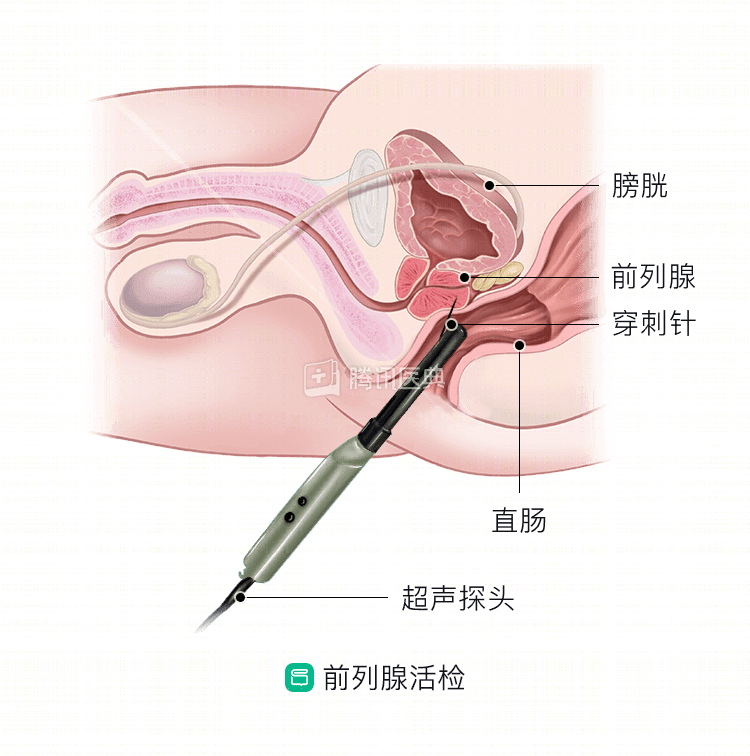
Puncture biopsy of the prostate is performed under ultrasound guidance (ultrasound probe guided through the rectum), a method that greatly reduces the incidence of infection and improves accuracy.
Pain is not an issue of undue concern; local anesthesia is used prior to puncture. Also, the current development of high-quality puncture needles has greatly reduced the metastasis and dissemination of prostate cancer cells.
Prostate punctures can be performed on an outpatient basis, with rest at home on the day of the puncture.
The most common complication of a puncture is hematuria. Because the prostate is a “bridge” between the bladder and the urethra, local bleeding can flow out of the body down the urethra, resulting in dripping blood from the urethra or hematuria.
Overall, current prostate puncture techniques are safe and rarely cause tumor metastasis.
4. How can eating more “tomatoes” prevent prostate cancer?
Tomatoes contain tomato red.
Tomatoes contain lycopene, especially small tomatoes, which contain more lycopene than large tomatoes. It is now believed by many in our society that a high intake of lycopene can prevent the development of prostate cancer.

But a large sample size study published in 2014 in the foreign journal Cancer Epidemiology Biomarkers Prevention found that 3500 subjects had their blood lycopene levels measured and found no clear association between tomato intake and prostate cancer. This corrects the previous view with real data.
Because most tumorigenesis is genetically linked, prostate cancer is no exception. A number of acquired factors (exogenous factors) may influence the progression of latent to clinical prostate cancer. These risk factors include excessive intake of a diet high in animal fat, inadequate intake of vitamin E, and inadequate exposure to sunlight. Some studies have found that green tea may be a preventive factor for prostate cancer, and appropriate red wine may also help in the prevention of prostate cancer.
Today’s society is extremely well-informed, and some ideas on the Internet that lack scientific proof are over-packaged and promoted, and these can mislead the public. The prostate gland is a small but very important area of study, and it is important for patients to understand prostate cancer objectively and consult a professional doctor to avoid misunderstandings.
Related articles: