Absites, an accumulation of fluid in the abdominal cavity that exceeds the physiologic limits. Why do patients with gastric cancer develop ascites? There are three reasons:
- Poor nutritional status;
- Stomach cancer cells shed into the abdominal cavity, forming so-called “seeds” that invade the peritoneum, which in turn affects the normal physiological environment in the abdominal cavity, causing excessive fluid accumulation;
- Gastric cancer cells shed into the abdominal cavity, forming so-called “seeds” that invade the peritoneum.
- Gastric cancer metastases to the liver, resulting in liver function impairment and ascites.
Absitus is one of the most important factors affecting patient survival and outcome. After evaluation by CT, physicians grade patients according to the amount of ascites: no ascites, little ascites (ascites below the pelvis), moderate ascites (ascites above the pelvis), and massive ascites (ascites spreading throughout the abdominal cavity with symptoms).
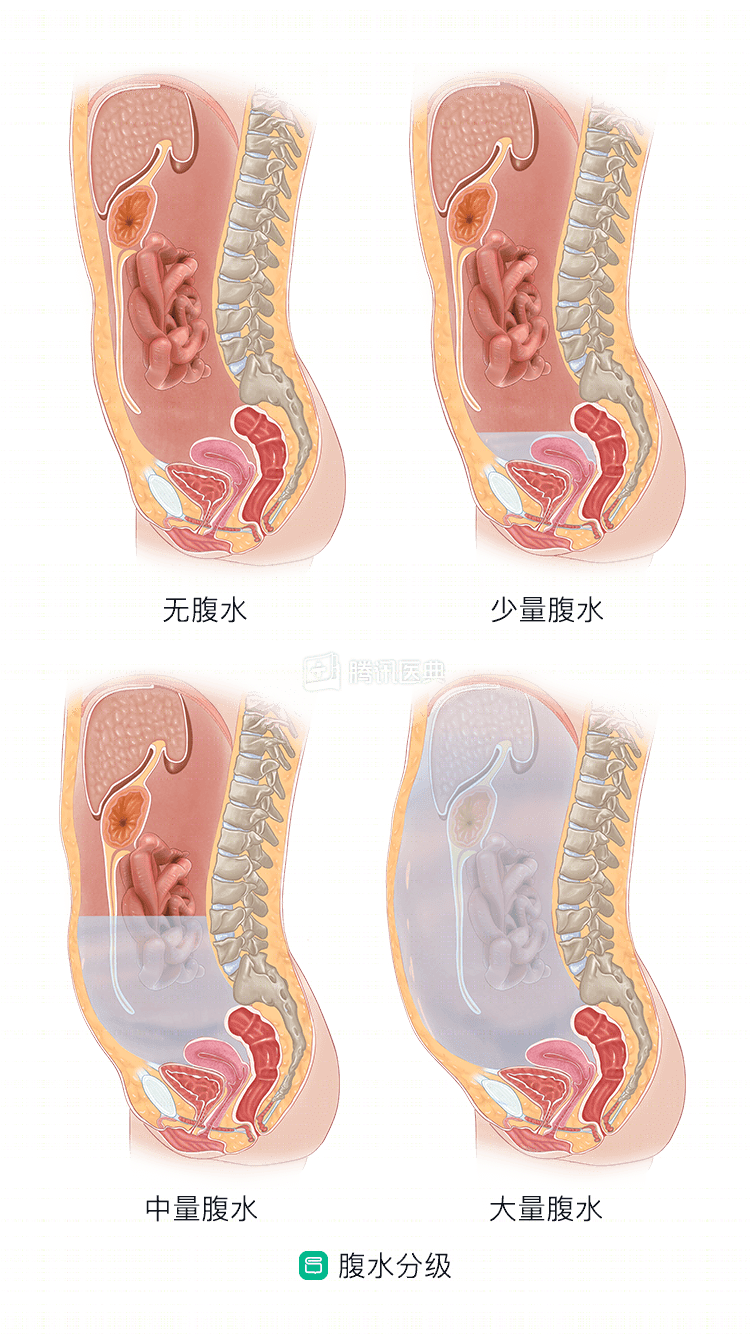
Patients with different degrees of ascites are considered for different treatments:
- Patients with no ascites or a small amount of ascites may be given a combination of systemic systemic chemotherapy as the core treatment;
- Patients with moderate ascites, on top of systemic systemic chemotherapy, physicians will also consider combined peritoneal infusion chemotherapy, which can effectively control ascites, improve quality of life, and delay disease progression;
- Patients with massive ascites may be given drainage for symptomatic relief, along with optimal supportive therapy (including nutritional support, symptomatic treatment). For patients with well-controlled ascites and good fitness, physicians may give antitumor therapy after a multidisciplinary team (MDT) discussion. (Contributed by Hou Wenbin, Department of Gastrointestinal Oncology, The First Hospital of China Medical University)