Gastric cancer surgery has been performed for more than 100 years since 1881, and postoperative complications have become less frequent and less severe as surgical techniques have evolved, but they have never disappeared. Postoperative complications are complex and varied because of the different extent of surgical resection for gastric cancer, the variety of anastomoses, and postoperative changes in gastric function.
What complications may occur in the early (1 to 2 weeks after surgery) and late (after 1 month after surgery) stages after gastrectomy for gastric cancer? This article will take you through them.
Early postoperative complications
bleeding
Postoperative bleeding includes intraluminal bleeding in the gastrointestinal tract and intra-abdominal bleeding.
- Intraluminal bleeding in the gastrointestinal tract includes bleeding from the remaining stump of the stomach or duodenum after resection of the lesion, bleeding at the anastomosis, etc. The physician will usually identify the site of bleeding by endoscopy and stop the bleeding by endoscopic spraying of hemostatic powder and upper vascular clips. If the bleeding is not significantly relieved, the doctor may consider another surgery to stop the bleeding.
- Intra-abdominal bleeding is mostly caused by loosening of the ligature of some blood vessel that was ligated to stop bleeding around the stomach or in the abdominal cavity. Doctors usually diagnose this by drawing blood from a laparotomy or by the nature of the drainage fluid from the abdominal drainage tube. This condition is usually difficult to treat non-surgically and most often requires reoperation to stop the bleeding.
Gastroparesis
Postoperative gastroparesis is a syndrome of predominantly impaired gastric emptying after gastric surgery. Gastroparesis usually occurs 2 to 3 days after surgery, during a change in diet from fasted to liquid or from liquid to semi-liquid. Patients tend to present with nausea and vomiting, and the vomit is mostly green in color.
In patients who present with gastroparesis, the doctor will usually place a gastric tube to drain and decompress the patient. The tube usually needs to be in place for 1 to 2 weeks, or up to a month or more. When the drainage from the gastric tube decreases and the drainage turns from green to yellow to clear, it indicates that the gastroparesis is in remission. The doctor will also give the patient intravenous fluids because the patient is also losing gastrointestinal fluids due to prolonged fasting after surgery and needs timely hydration and various nutrients. The doctor will also recommend the application of medications such as metoclopramide (antiemetic) and erythromycin (anti-infective), and Chinese warm acupuncture therapy may also help relieve gastroparesis.
Ischemic necrosis of the gastrointestinal wall, anastomotic rupture or fistula
Inadequate blood supply to the gastrointestinal wall may cause ischemic necrosis of the intestinal wall, resulting in an anastomotic rupture or intestinal fistula. When necrosis of the gastrointestinal wall is detected, the physician will usually order the patient to fast, place a gastric tube to drain the stomach contents for gastrointestinal decompression, and monitor the patient closely. If the patient’s body is not in good condition, he or she will be able to get a good look at it.
Ruptured duodenal stump
Patients will present with severe pain in the upper abdomen accompanied by fever. On examination of the abdomen, the physician will find signs of peritonitis, that is, pain when the abdomen is pressed and then lifted, and a tense abdominal muscle. In this case, the doctor will perform a laparotomy, and the abdominal fluid extracted will contain bile. After the diagnosis is confirmed, the doctor will usually operate immediately.
Intestinal obstruction
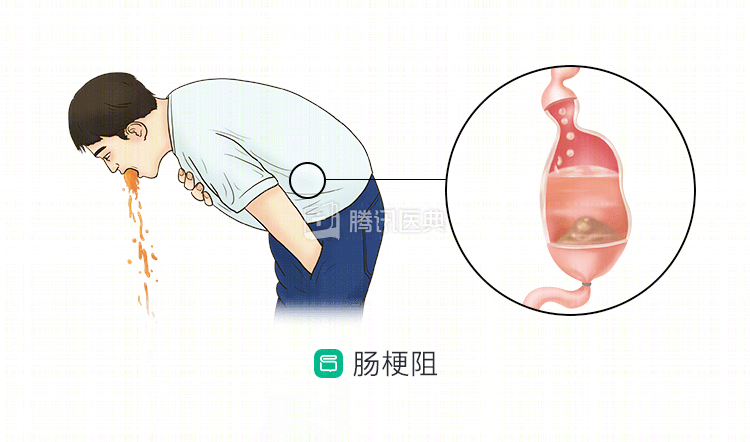
There are different types of obstruction depending on where it occurs. Patients may experience a feeling of fullness or severe pain in the upper abdomen, with vomiting in severe cases, and sometimes a lump may be felt in the upper abdomen. Doctors usually use upper gastrointestinal imaging to find the site of the obstruction. After the cause of the obstruction is identified, the doctor will usually place a gastric tube or intestinal decompression catheter to drain the contents of the gastrointestinal tract for gastrointestinal decompression, and at the same time, the patient will be instructed to temporarily stop eating and receive intravenous fluids to maintain the water-electrolyte balance and nutritional infusion. If the symptoms are severe and persistent, the doctor will usually perform surgery to relieve the obstruction.
Long-term postoperative complications
dumping syndrome
After major gastric resection, the loss of the pylorus, the “exit” of the stomach, to regulate the passage of food can lead to rapid emptying of the stomach contents, resulting in a series of symptoms called dumping syndrome. There are two types of dumping syndrome, depending on when the symptoms appear after eating.
- Early dumping syndrome. Patients present with palpitations, cold sweats, weakness, and pallor half an hour after eating, accompanied by nausea and vomiting, abdominal cramps, and diarrhea. The occurrence of the above symptoms is related to the nature and amount of food, and eating sweets and milk and overfeeding tend to cause symptoms, which usually improve or disappear on their own after lying down.
- Late dumping syndrome. It usually occurs 2 to 4 hours after the patient has eaten and is characterized by dizziness, pallor, cold sweats, weakness, and a fast but not strong pulse when the pulse is felt. Doctors usually recommend dietary adjustments, eating smaller and more frequent meals, and avoiding overly sweet and hypertonic foods so that the gastrointestinal tract can gradually adapt. For those with severe symptoms, the doctor will usually apply growth inhibitor therapy as well.
Alkaline reflux gastritis
The human intestinal fluid is alkaline, and reflux into the residual stomach causes edema and erosion of the gastric mucosa, breaking down the gastric mucosal barrier, which may manifest as burning pain in the chest or upper abdomen and yellowish-green, bitter-tasting vomit (containing bile). The doctor will usually use a combination of drugs to protect the gastric mucosa, inhibit stomach acid, and regulate gastric dynamics.
Nutritional complications
Patients often experience upper abdominal fullness, anemia, and lethargy after gastrectomy due to reduced residual gastric capacity and compromised digestive and absorption functions. Doctors usually recommend a regulated diet with fewer and more frequent meals, a high-protein, low-fat diet (such as eggs, chicken, fish, cereals, etc.), and attention to vitamin, iron, and trace element supplementation.
Although there may seem to be many complications after gastric cancer surgery, the overall probability of occurrence is very low, so patients do not have to worry too much. Most complications can be properly managed as long as patients and family members pay attention to the postoperative situation, inform the doctor and receive regular treatment when abnormalities are detected. (Contributed by Jun Yan Zhang, Department of Gastrointestinal Oncology, The First Hospital of China Medical University)