“Laparoscopy” refers to the use of special camera devices or scopes to perform intra-abdominal explorations, and procedures performed with these instruments are called laparoscopic or minimally invasive surgery.
Traditional surgery involves a long incision in the middle of the abdomen with a long healing time; laparoscopic surgery avoids leaving a long scar on the patient, with less postoperative pain, smaller scars, faster recovery, and less risk of infection.
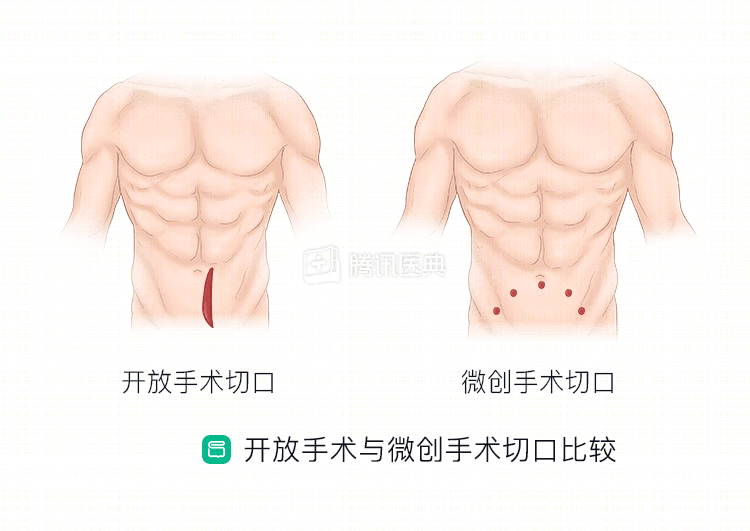
Laparoscopic prostatectomy is a common surgical procedure. Patients undergoing this type of surgery have less bleeding, less need for pain relief, shorter hospital stays, and can return to normal life sooner by having the urethra (the tube inserted through the penis to drain urine from the bladder) removed sooner to promote recovery.
In recent years, robotic-assisted prostatectomy has become increasingly popular. It is performed through a small abdominal incision with a robotic arm that mimics the surgeon’s hand to perform the procedure more precisely.
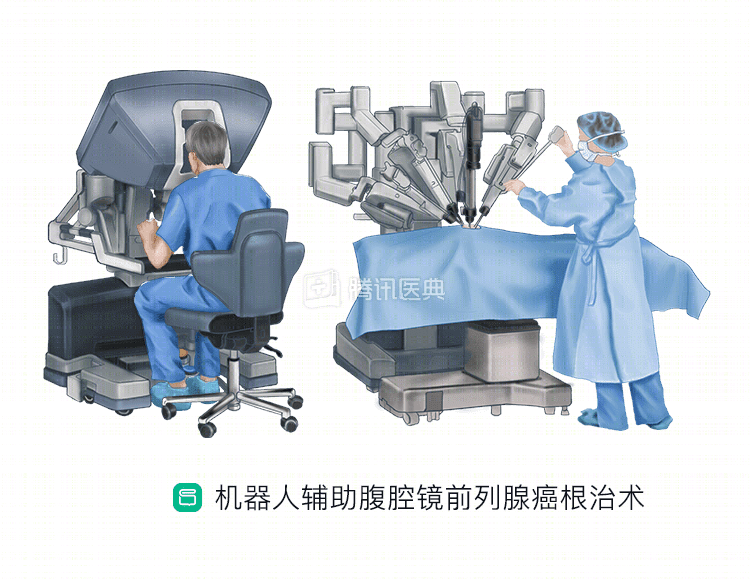
It is important to note that for prostate cancer, the use of the new laparoscopic surgery is comparable to traditional open surgery in terms of treatment outcomes.
Advantages of laparoscopic surgery
As with other minimally invasive procedures, laparoscopic prostatectomy has significant advantages over traditional surgery:
- Shorter hospital stay, with about half of patients discharged on postoperative day 2 (length of stay depends on how quickly the patient recovers and the extent of the procedure).
- Less intraoperative bleeding.
- Post-discharge pain medications are not prescribed, and only nonsteroidal pain medications such as acetaminophen are usually needed.
- One week after surgery, if there are no other abnormalities, the urinary catheter can be removed.
- Most patients are able to return to normal activity within 2 to 3 weeks.
Population
- Laparoscopic surgery is an option if the tumor is confined to the prostate and is not aggressive.
- This procedure is not recommended if there is a history of prior open or laparoscopic pelvic surgery or if there are other contraindications.
Complications
Minimally invasive surgery and conventional surgery can both result in urinary incontinence and erectile dysfunction, and patients can usually return to normal voiding function within 3 months.
Laparoscopic surgery is also nerve preserving, and patients should have postoperative sexual function comparable to that of conventional surgery, but because of the short time that laparoscopic surgery has been used, there is a lack of sufficient data to support its advantage in preserving sexual function.
Related articles: