Discovery of tumor spread is never good news, but don’t think it’s hopeless. Patients with prostate cancer that has invaded an adjacent site also have more than a 90% chance of surviving more than 5 years.
When a tumor spreads (or metastasizes), it often spreads first to the tissue or lymph nodes near the prostate. If the cancer is caught at this “focal” stage and treated in time, the chances of survival and recovery are very good. However, if the cancer spreads further, such as bone metastases or lung or brain metastases, the survival time is greatly reduced.
Treatment of metastatic prostate cancer
Treatment options depend mainly on the proximity of the metastatic site and symptoms of the tumor, and treatment options include:
- Endocrine therapy: Patients may have already had surgery or radiation therapy, which are sometimes used only for limited prostate cancer (i.e., the cancer is confined to the prostate and has not spread). Once the tumor has spread, your doctor will likely recommend endocrine therapy, which involves taking medications to lower the levels of androgens (testosterone and dihydrotestosterone) in your body to stop their promoting effect on tumor growth.
- Surgical debulking: There is another treatment option for lowering androgens – surgical debulking, which involves removing the testicles, which are primarily responsible for producing androgens. If patients are embarrassed, doctors can maintain the look and feel of the testicles by inserting silicone into the scrotum.
- Immunotherapy: Some patients may consider immunotherapy if endocrine therapy has not worked. A prostate cancer vaccine, which has been studied in trials in recent years, activates the body’s immune system to attack cancer cells, but the long-term effects remain to be seen.
- Chemotherapy and radiation therapy: Your doctor may also recommend chemotherapy, which may be given by mouth or intravenously. Radiation therapy can be divided into external and internal radiation (radioactive particles implanted in the prostate), which kills cancer cells by radiation and may also reduce bone pain.
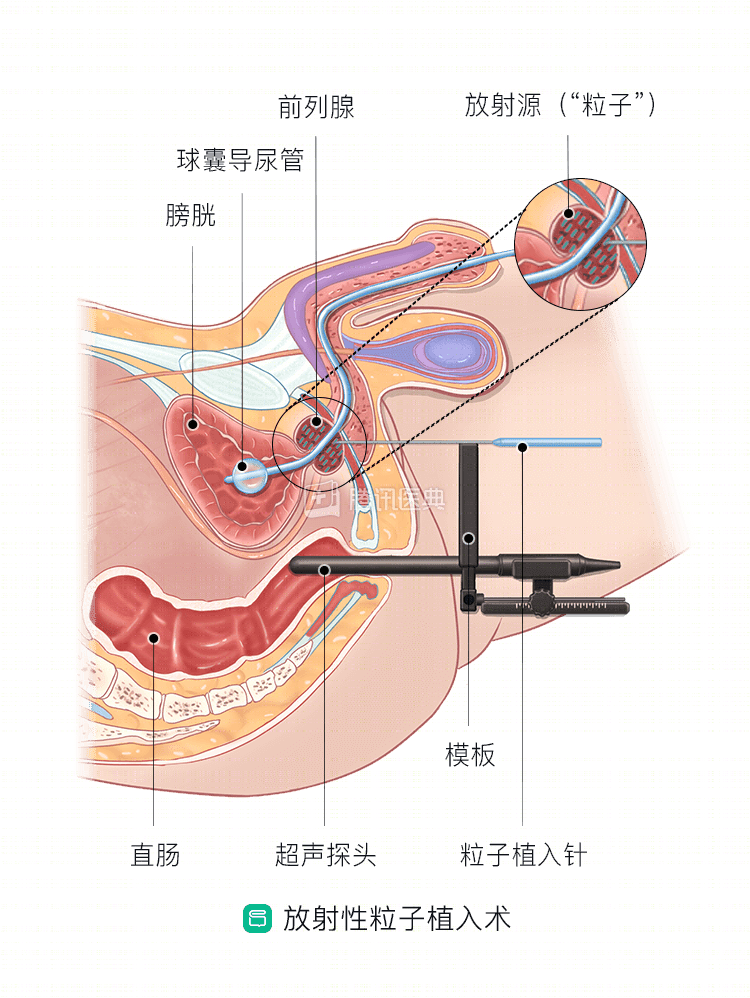
- Treatment of bone metastases: If bone metastases from prostate cancer occur, medications may be needed to relieve pain, reduce the risk of fractures, and keep calcium levels in the body stable. Too high or too low a level of calcium in the body will be dangerous, so close monitoring is needed. Patients may also need to take glucocorticoids to control pain, sometimes in conjunction with pain medications. Pain medications range from weak (e.g., ibuprofen) to strong (e.g., morphine), and the choice depends on how severe the pain is.
No matter which treatment is used, advanced prostate cancer will inevitably affect a patient’s daily life. Treatment may cause problems such as urinary incontinence, fatigue, and erectile dysfunction. Men on endocrine therapy may experience hot flashes (similar to the symptoms of menopause in women) or weight gain. Bone metastases from prostate cancer can cause severe pain.
Tell your healthcare provider to manage any pain or any side effects, and many medications and measures can be effective in improving the condition. And take care of yourself: fight fatigue with naps, try exercises like walking to keep your energy up, and add some strength training as appropriate.
Related articles: