What is finasteride, dutasteride?
.
Finasteride and dutasteride are 5-alpha reductase inhibitors that are primarily used to treat benign prostatic hyperplasia and male pattern baldness.
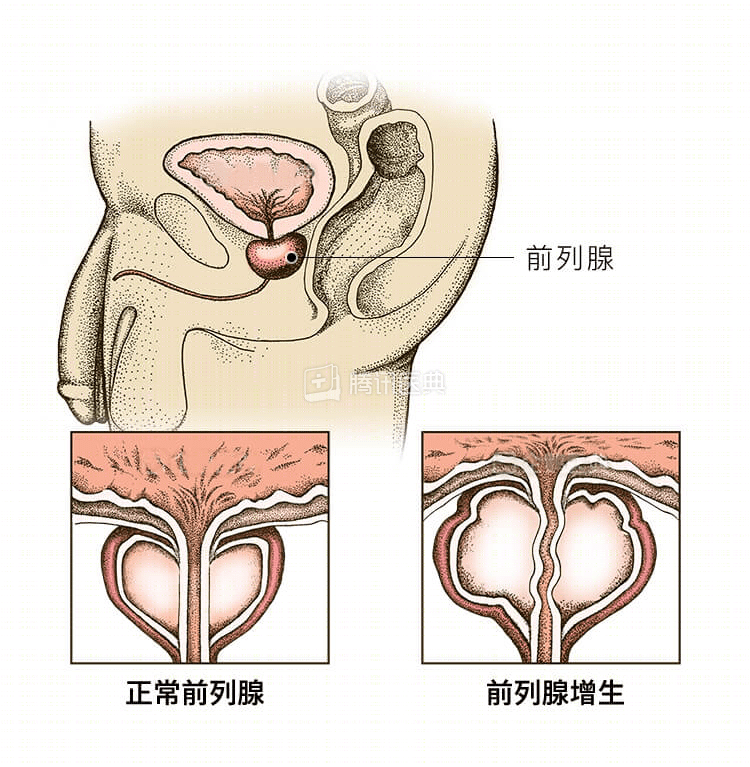
These drugs inhibit the conversion of testosterone (androgen) to dihydrotestosterone (DHT), which reduces the size of the prostate and improves symptoms, increases urinary flow rates, and prevents the progression of BPH.
Because prostate cancer is hormone-dependent, and finasteride and dutasteride block the conversion of testosterone in prostate tissue to the more active dihydrotestosterone, these drugs may help prevent prostate cancer to some extent.
Finasteride and dutasteride reduce prostate cancer incidence, but have little effect on mortality
The study found that using finasteride for more than 7 years reduced the absolute incidence of prostate cancer by 6% and the relative risk by 24.8%. However, there was no significant difference in the number of men who died from prostate cancer in the finasteride prevention and placebo groups, despite the low number of deaths from the disease.
In the dutasteride trial, the absolute risk of disease decreased by 5.1% and the relative risk decreased by 22.8% after 4 years of treatment. There was no significant difference in prostate cancer mortality or overall mortality, and the number of deaths was small and no deaths due to prostate cancer occurred. In addition, the decrease in incidence was primarily due to a decrease in the incidence of less aggressive cancers (e.g., Gleason score of 5 to 6), whereas the decrease in the incidence of more aggressive cancers (e.g., Gleason score of 7 to 10) was not significant.
Potential harms of long-term finasteride and dutasteride use
Studies have shown that patients in the finasteride group were more likely to experience side effects such as erectile dysfunction, decreased libido, and gynecomastia than the placebo group. In addition, the study showed that patients in the finasteride group had a higher rate of high-grade prostate cancer (Gleason score 8 ~ 10).
4.3% of patients in the dutasteride group discontinued treatment because of drug-related adverse events, compared with 2% in the placebo group. The odds of decreased libido, decreased semen volume, erectile dysfunction, and breast development were higher in the dutasteride group compared with the placebo group.
FDA does not recommend finasteride, dutasteride for prostate cancer prevention
In 2010, the Food and Drug Administration’s (FDA) Oncologic Drugs Advisory Committee reviewed finasteride and dutasteride and ultimately did not recommend either drug for the chemoprevention of prostate cancer.
Related articles: