A healthy dietary pattern during post-operative recovery from esophageal cancer can give the body the best protection to help you recover sooner and reduce the risk of recurrence.
During post-operative recovery, it is recommended that you:
A balanced diet, based on plant-based foods, rich in fresh fruits and vegetables and whole grains (including wheat, corn, oats, rice, sorghum, etc.); a reasonable mix of red meat (e.g., pork, beef, sheep) and white meat (e.g., poultry, fish).
The third edition of the Global Report on Diet, Nutrition, Physical Activity, and Cancer Prevention from the American Institute for Cancer Research (AICR) and the World Cancer Research Fund (WCRF) recommends that if you eat at every meal on a plate, at least 2/3 of your plate be plant-based, including vegetables, fruits, whole grains (oats, cornmeal, millet, etc.), legumes (such as soybeans and their products, and red beans, peas, etc.). The other 1/3 can be allocated to animal foods, including lean meat from fish, poultry, and livestock, with as much variety as possible.
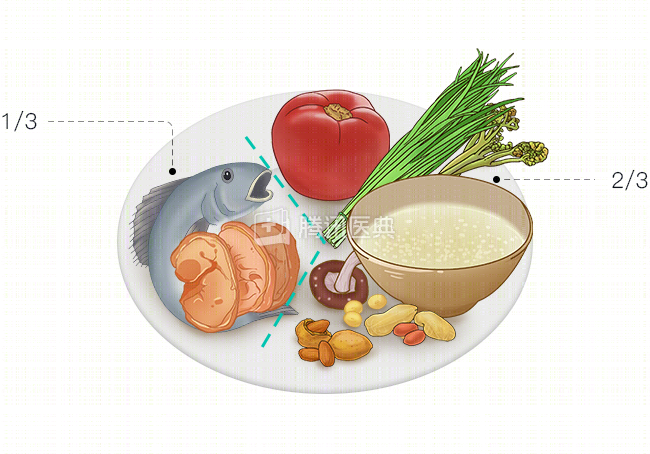
Foods recommended for patients recovering from esophageal cancer, specifically:
- Dark yellow-green vegetables, such as spinach, rape, celery leaves, hollow cabbage, mustard, broccoli, chrysanthemum, and leeks;
- High-quality protein, including fish, poultry, livestock meat, eggs, milk, and soybean products, but excessive consumption of red meat from livestock and processed meat (such as ham, bacon, etc.) is not recommended;
- High-quality vegetable oils, such as olive oil, flax oil, tea seed oil, etc.
Encourage you to take a multivitamin and phytochemical supplement through a balanced diet. If you have difficulty swallowing, drink several glasses of freshly squeezed fruit and vegetable juices daily, such as carrot and pumpkin juice, broccoli and spinach juice, kiwi and apple juice, pomegranate juice, etc.
If you are unable to consume enough food or are clearly deficient in a certain vitamin, you can also supplement with oral enteral nutrition preparations or vitamin preparations under the guidance of a dietitian or physician.
Many people are “obsessed” with “supplements” and “nutraceuticals”. The common supplements on the market, such as ganoderma lucidum spore powder, American ginseng, sea cucumber, etc., may have some immunity-boosting effects, and you can supplement them appropriately under the guidance of your herbalist. However, you must be reminded that the above-mentioned foods are not a substitute for food, let alone for medicine.