Many patients have the misconception that “chronic prostatitis may turn into prostate cancer if not cured”. We can responsibly tell you that this conclusion is unfounded.
The cause of prostate cancer is not well understood and may be related to race, genetics, environment, food, smoking, and other factors. Research suggests that dihydrotestosterone plays an important role in the development of prostate cancer, and epidemiological studies also suggest that the three prerequisites for the development of prostate cancer are masculinity, increasing age, and androgen stimulation.
Clinically, chronic prostatitis has a high incidence in young adults, while prostate cancer is most often seen in older men.
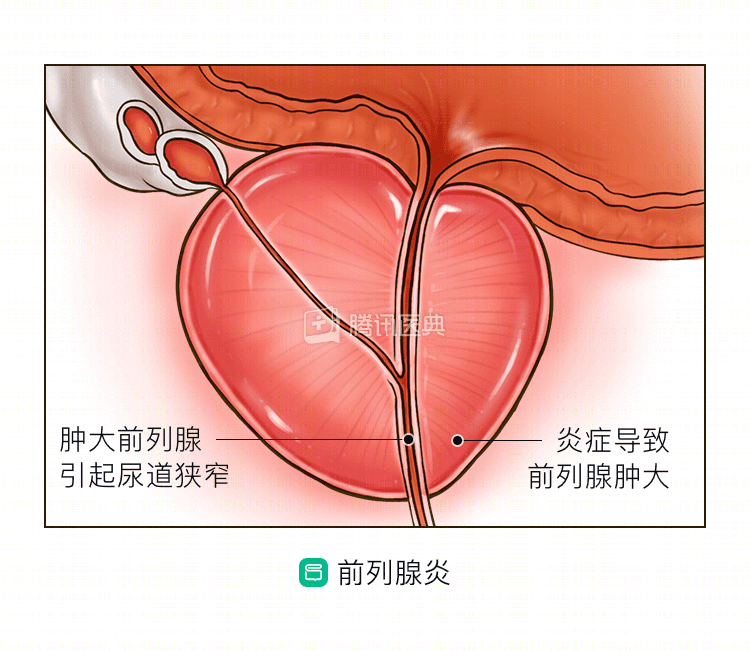
Prostatitis may present with fever and burning painful urination during an acute attack, and may also cause a temporary increase in prostate-specific antigen (PSA) values, but these inflammations usually subside quickly after anti-inflammatory treatment and the PSA falls rapidly to normal levels within a short period of time.
Prostatitis does not affect testicular production of androgens or hormone metabolism, and epidemiologic studies have not found a definite link between chronic prostatitis and prostate cancer development.
Therefore, chronic prostatitis does not lead to prostate cancer, at least not directly in the near future. As to whether the incidence of prostate cancer is higher in older than normal people who had chronic prostatitis when they were younger, further research is needed.
Of course, the triggers that lead to prostatitis, such as alcohol consumption and a spicy, irritating diet, are not conducive to prostate cancer prevention, so quitting these bad habits and improving your diet can be very beneficial in keeping your prostate healthy.
For older patients with prostatitis, it is still important to take care of regular PSA checks to avoid missing the diagnosis and delaying the best treatment.
Related articles: