Neoadjuvant therapy is treatment given before surgery, including chemotherapy or radiation therapy, to shrink the lesion and achieve a downstaging of the tumor. Once neoadjuvant therapy takes effect, you will gradually feel a reduction in discomfort such as dysphagia, improved eating, weight gain, and a better quality of life.
However, chemotherapy and radiation can also cause some adverse effects. Don’t worry, most of these side effects can be tolerated with proactive prevention and symptomatic management. Your doctor will find a way to help you get through it, too.
What are the adverse effects of neoadjuvant therapy?
What are the adverse effects of neoadjuvant therapy?
Let’s look at the possible adverse effects of neoadjuvant therapy at both the chemotherapy and radiation levels.
1.
1. Adverse reactions to chemotherapy include: bone marrow suppression, gastrointestinal reactions, liver damage, kidney damage, neurotoxicity, allergic reactions, etc.
.
Chemotherapy drugs can have some effects on your own normal cells, which in turn can lead to some uncomfortable symptoms.
Gastrointestinal symptoms such as nausea, vomiting, and diarrhea are relatively common chemotherapy-related adverse reactions. Nausea and vomiting usually occur within a few hours or days after chemotherapy. At this point, you should promptly inform your doctor, who will choose the appropriate antiemetic medication for the different levels of reaction.
When diarrhea occurs, you may be able to stop it with montelukast and intestinal flora medications as directed by your doctor. After chemotherapy, you should avoid eating cold or irritating foods that may trigger or worsen diarrhea.
In addition to the relatively common adverse effects described above, each class of chemotherapy drugs has its own unique side effects, and the adverse effects of chemotherapy vary from person to person. Therefore, we hope that you will actively communicate with your doctor about which drugs you are on and ask ahead of time what adverse reactions may occur so that you are aware of them. Please also be assured that the vast majority of adverse reactions are not serious, and if they do occur, your doctor will take care of them for you in a timely manner.
To learn more about adverse reactions to chemotherapy, read the following articles:
2. Adverse effects of radiotherapy include: systemic reactions, hematologic toxicity, and local reactions.
.
Hematologic toxicity and systemic adverse reactions are often the first to occur; subsequently, local adverse reactions such as dysphagia, radiation esophagitis, and dry cough may also occur slowly.
In general, radiotherapy-related adverse reactions include:
- Hematologic toxicity, such as reduced white blood cells, hemoglobin, and platelets;
- Systemic reactions, such as malaise, decreased appetite, nausea and vomiting;
- Radiation esophagitis, mainly manifested as discomfort in swallowing, painful swallowing, which may affect eating when symptoms are severe;
- Dermal reactions, mostly localized skin pigmentation in the radiotherapy area, usually occurring late in the course of radiotherapy and fading 1 to 3 months after the end of radiotherapy;
- Fistulas, including mediastinal and tracheal fistulas, may occur late in the course of radiotherapy or after tumor regression at the end of radiotherapy.
For any of these abnormalities, you are advised to inform your doctor promptly. Most adverse reactions will gradually recover after the end of radiation therapy. If the adverse reaction is more severe, your doctor will treat you aggressively on a case-by-case basis to try to avoid interfering with your future life and treatment.
To learn more about adverse effects of radiation therapy, read the following articles:
What do I need to take care of in my life? How do I take care of it?
During neoadjuvant therapy, in addition to the reasonable response to these adverse reactions, you will need to focus on the following points:
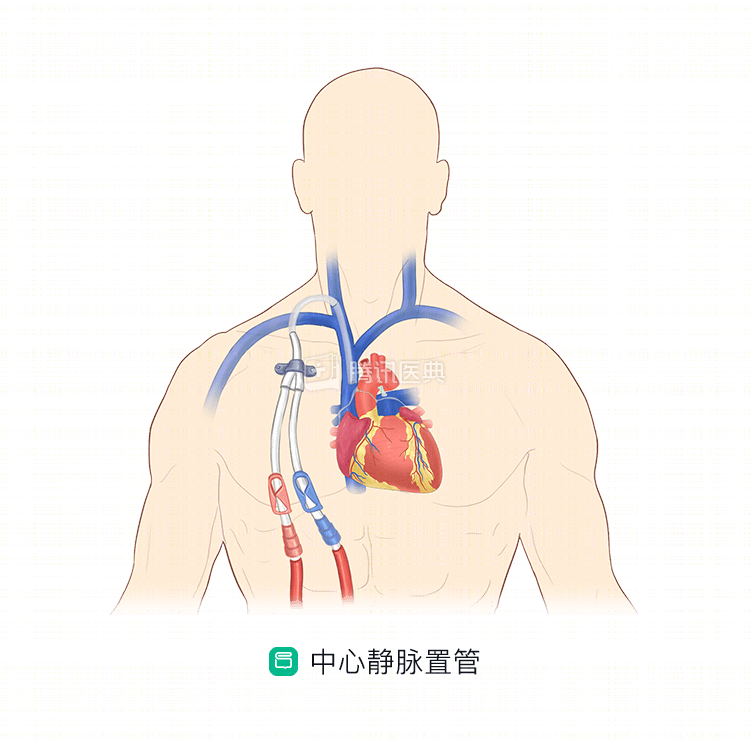
1. You will need to focus on catheter care during neoadjuvant chemotherapy.
.
Transfusion through a central venous line may be required for chemotherapy. Your nurse will change your intravenous catheter regularly to reduce the chance of skin bleeding and infection at the venipuncture site.
Usually, you should take care of the catheter by wearing loose clothing and not pulling or dragging the catheter when changing clothes. The catheter should be kept dry and if it is itchy, do not scratch it with your hands but consult your doctor promptly. If there is any abnormality, please return to the hospital in time to deal with it.
2. You will need to focus on protecting your chest localization line during neoadjuvant radiotherapy.
.
Nowadays, radiotherapy is mostly done in 3-D, which is a form of precision radiotherapy. During this time, you usually have a skin-inked line on your chest, which is an important reference marker for radiation therapy to ensure that the radiation is directed at the tumor and should be protected.
You can take a shower during radiation therapy, and the lines are usually not washed off with water. If the localization line is blurred, you should ask your supervising physician to make up the drawing in time.
The above may cause some inconvenience to your life, but for treatment safety reasons, we recommend that you and your family try to understand and cooperate.
Co-written by Dr. You Jing Dr. Liu Chang
, Peking University Cancer Hospital