Prostate cancer is a cancer with a relatively good prognosis compared to other cancers, and many patients with early-stage prostate cancer can survive for 10 years or more. However, many prostate cancer patients in China come to the clinic at an advanced stage, thus losing the opportunity for radical surgery, so why is this a sad situation?
The most important reason is that early prostate cancer has no obvious symptoms, which is difficult to attract the attention of patients. Even if the prostate cancer progresses to a certain extent and presses the urethra, it only causes non-specific manifestations such as poor urination and hematuria, which many patients often mistake as a result of prostate enlargement. It is not until symptoms such as urinary retention and bone pain appear that they go for further examination, only to find that the tumor has reached an advanced stage, thus losing the best time for treatment.
In contrast, the early detection rate of prostate cancer in developed countries such as Europe and the United States is high, and the underlying reason is the importance of screening for prostate cancer, which has saved the lives of many patients. The most important thing is that the number of people who have been diagnosed with prostate cancer has been increasing year by year.
Screening and early diagnosis of prostate cancer is very important, and there are three main screening methods that are widely used in clinical practice:
PSA test
Prostate cancer screening has a unique advantage over other tumor screening tests in that it can be achieved by simply taking a few milliliters of blood for a test called the “prostate specific antigen (PSA)”.
PSA is the most sensitive tumor marker for prostate cancer, and although PSA can be detected in normal blood (less than 4ng/ml), an elevated PSA is highly suggestive of cancer in the prostate.
In recent years, PSA testing has become commonplace in clinical practice and has led to timely diagnosis of many patients with early-stage prostate cancer, resulting in valuable treatment time.
Rectal examination
The rectal exam is a simple, noninvasive procedure that is the most direct test for low-grade rectal and prostate cancers.
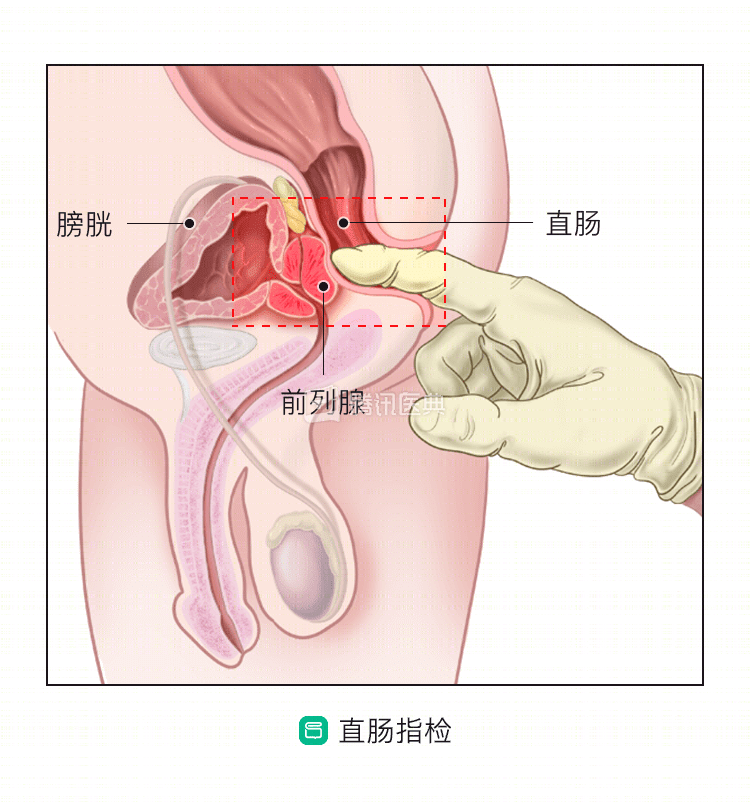
Because the prostate gland is located immediately in front of the rectum, it is easy to understand the condition of the prostate with a rectal exam. In the normal condition, the prostate is soft and smooth without nodularity, and both lobes are symmetrical when felt on rectal examination.
When prostate cancer is present, the surface of the prostate will feel like a hard, raised nodule on rectal palpation, and if the tumor is extensive, the entire prostate will feel “hard as a rock” to the touch.
TRUS examination
In contrast to rectal examinations, transrectal of ultrasound (TRUS), which has no tactile feedback, is also very important in the diagnosis of prostate cancer. Because ultrasound can accurately measure the size of the prostate gland, it can also detect deeply located lesion nodules that cannot be palpated by the finger.
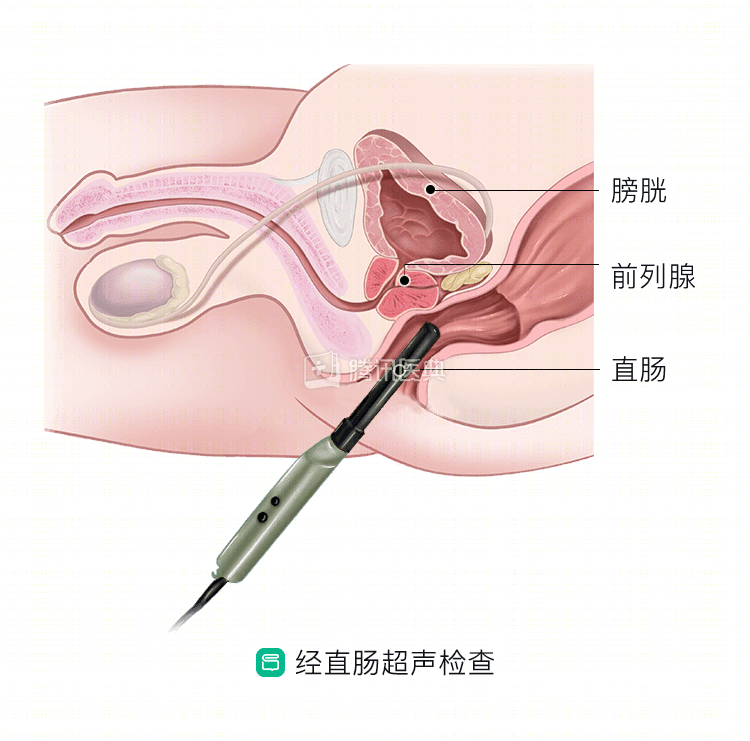
In addition, it can initially determine the size and extent of the tumor and whether it has invaded the envelope of the prostate, which can help in the initial clinical staging of prostate cancer and determine the prognosis.
Currently, our urologic guidelines recommend annual PSA and rectal examinations for older men over the age of 50, with further TRUS if abnormal, and screening 5 years earlier (i.e., starting at age 45) for men with a family history of prostate cancer.
Related articles: