Primary liver cancer is one of the common tumors in China, and surgery is the preferred option for liver cancer, but the early symptoms of liver cancer are less specific, and most of them are in the middle and late stages when detected, so interventional surgery has a pivotal role in the treatment of this group of patients.
A study by the Chinese Academy of Sciences showed that for patients with inoperable advanced liver cancer, the 1-year survival rate was 66.7%, the 3-year survival rate was 18.4%, and the 5-year survival rate was 8.9% after intervention, which is similar to the overseas data: the 1-year survival rate was 60.7%, the 3-year survival rate was 22.4%, and the 5-year survival rate was 12.9% after intervention. Table 1 below
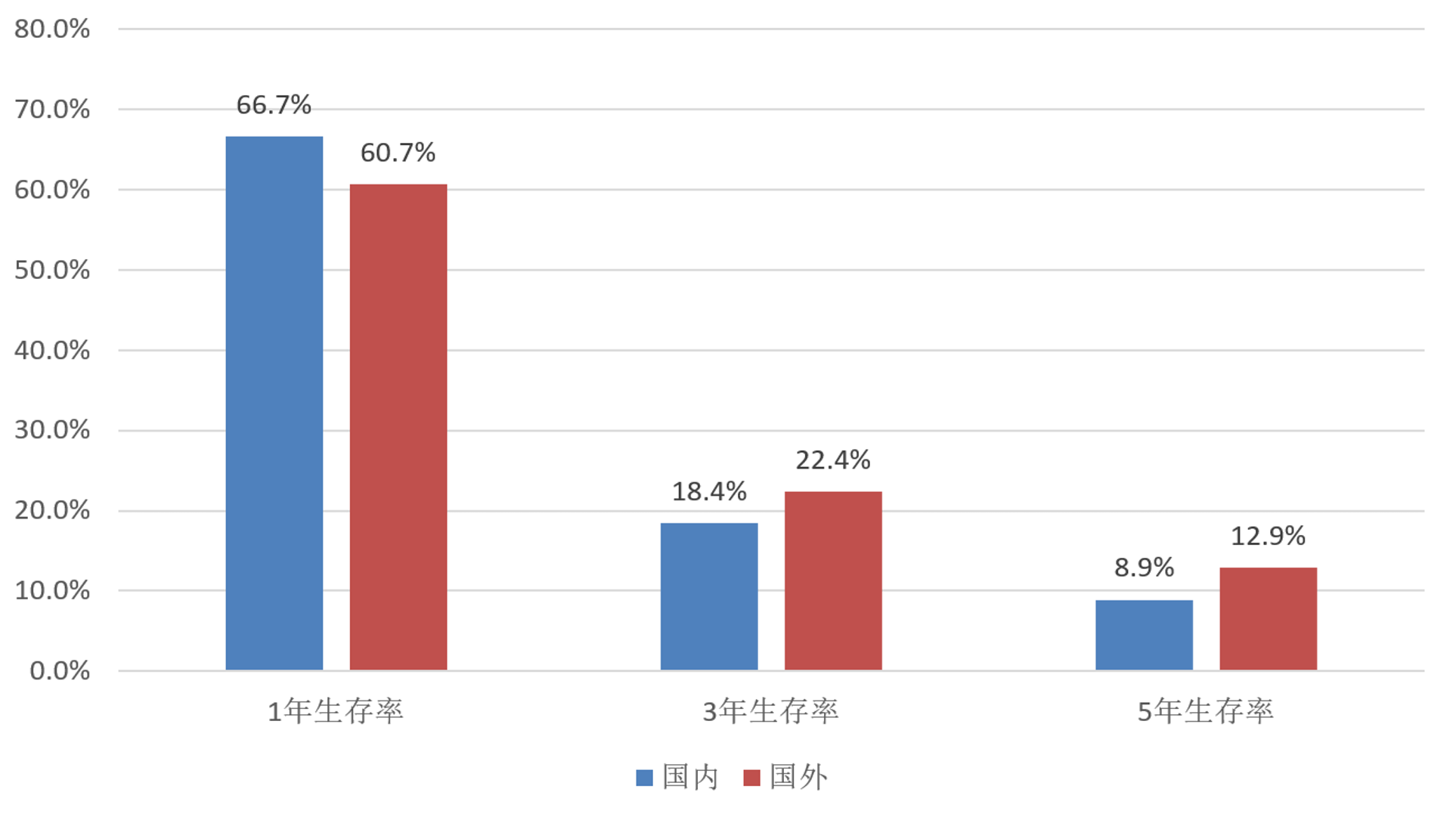
Table 1. Survival study data for interventional procedures
And for small hepatocellular carcinoma (hepatocellular carcinoma less than 3 cm) or early small hepatocellular carcinoma after treatment can yi achieve similar results as surgery. (The 1-year survival rate after intervention was 88%, the 3-year survival rate was 74%, and the 5-year survival rate was 51%, compared with 93.8% for 1-year survival, 75.3% for 3-year survival, and 52.8% for 5-year survival for surgery.) Survival rates vary slightly depending on the surgical technique of each unit. Table 2 below
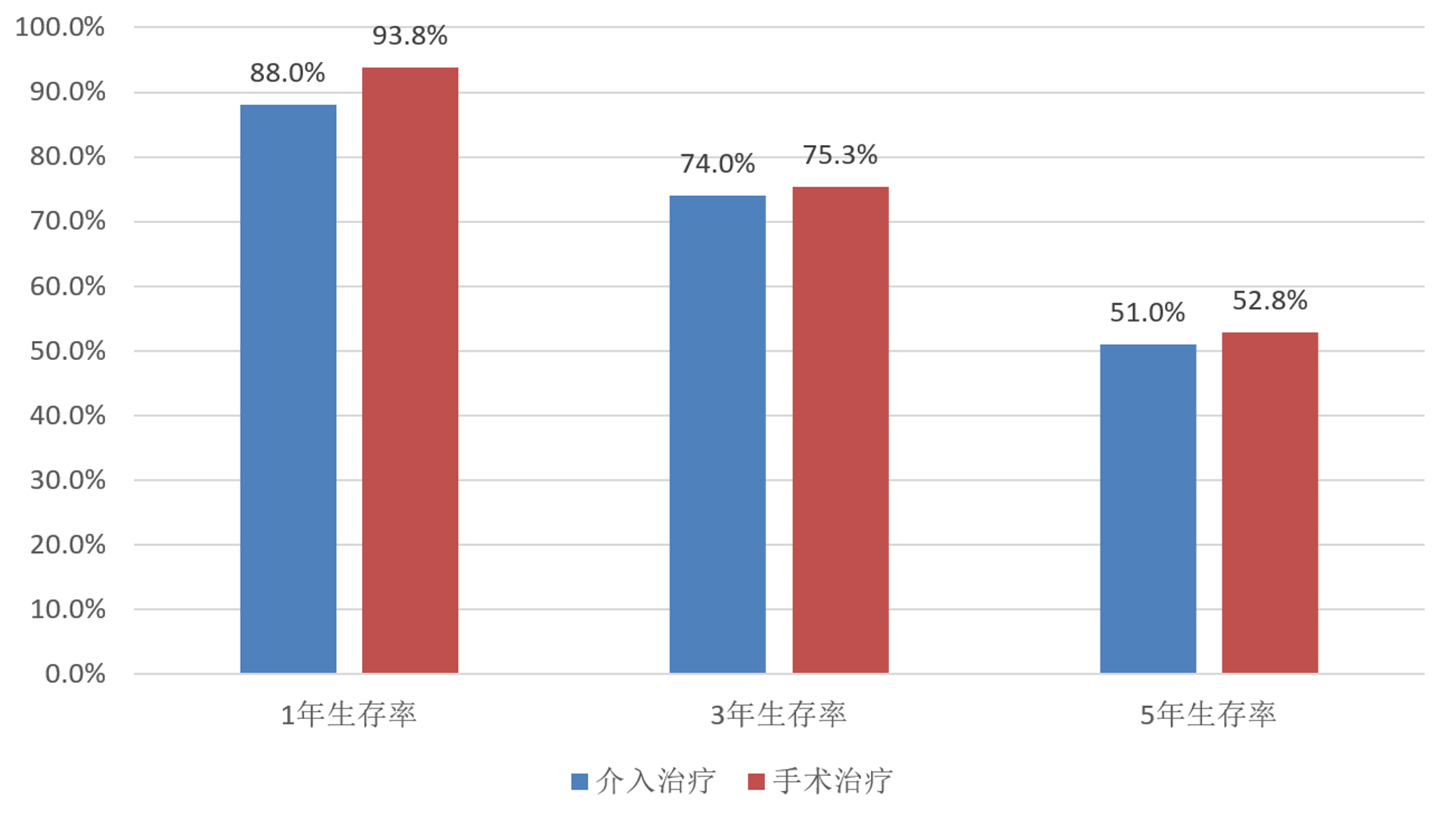
Table 2 Survival rates for interventional versus surgical treatment
Interventional surgery can also be used as treatment for stage II surgery, which refers to patients with hepatocellular carcinoma that is unresectable or difficult to eradicate due to surgical exploration or confirmed due to relevant imaging, and who are treated surgically after shrinking the tumor with comprehensive treatment. Interventional surgery can result in a 10-20% surgical resection rate for stage II liver cancer and a five-year survival of 50-60%.