The first thing you don’t need to do is panic when you have prostate cancer. On the one hand, there are a significant number of prostate cancers that are not as life-threatening as pancreatic cancer or liver cancer, and some of them diagnosed as low-risk prostate cancer do not even require treatment, as long as they are followed up with regular outpatient visits and active monitoring. For medium to high-risk prostate cancer, surgery or medication may be an option depending on the patient’s physical condition.
Therefore, it is generally accepted that even if you have prostate cancer, you can have a normal sex life as long as your health allows it and you can function sexually.
However, most patients who have undergone surgery or medication for prostate cancer may experience sexual dysfunction. However, some of these effects are temporary and can be improved with reasonable treatment. It may be frustrating at first, but don’t be discouraged; with time and appropriate rehabilitative measures, it is still possible to return to a normal sex life.
Why does treatment affect sexual function?
Men’s prostate is right next to some of the nerves, blood vessels, and muscles that play an important role in erectile function, and surgery and radiation therapy may damage these areas, making erection or ejaculation difficult. Of course, if erectile dysfunction was present before treatment, this problem can continue after treatment.
In addition, even if surgery is not performed, choosing instead to treat with simple endocrine medications, or adding endocrine therapy after surgery, can reduce androgen levels in the body, thus reducing libido and sexual performance.
One of the most frequent problems after prostate cancer treatment is erectile dysfunction, which occurs in almost most patients and means the inability to maintain an erection to complete sexual intercourse. Some prostate cancer patients may experience permanent sexual dysfunction after treatment, but this group of people may still have orgasms. In fact, men can also have orgasms with a non-erection.
In addition to erectile dysfunction, other sexual function problems that may occur in patients with prostate cancer include:
- Dry orgasm, an orgasm without sperm ejaculation.
- Penis shrinkage.
- Low sexual desire.
These problems can last for weeks or longer, and the duration is related to the type of treatment received and how the individual feels. For patients who have undergone radical prostate cancer surgery that preserves the erectile nerve, or who have received radiation alone or in combination, sexual function improves in nearly half of patients with sexual rehabilitation.
How is sexual dysfunction treated?
How is sexual dysfunction treated?
1. Medications: Some oral medications such as sildenafil, tadalafil, and vardenafil can improve erectile dysfunction caused by prostate cancer treatment by increasing blood flow to the penis, but only if surgery or radiation therapy is used to preserve the erectile nerve.
A prostadil urethral suppository can also be used, and putting this drug into the urethral opening of the penis allows more blood to flow to the penis without receiving sexual stimulation.
Another method is to perform penile drug injections, which can achieve an erection without sexual stimulation.
2. Special devices: An erection can also be achieved with a vacuum erection device that increases blood flow to the penis, which is good for patients who can get an erection but don’t maintain it for long. Another method is to perform a penile prosthesis implant, which requires a surgeon to perform a surgical procedure to install it.
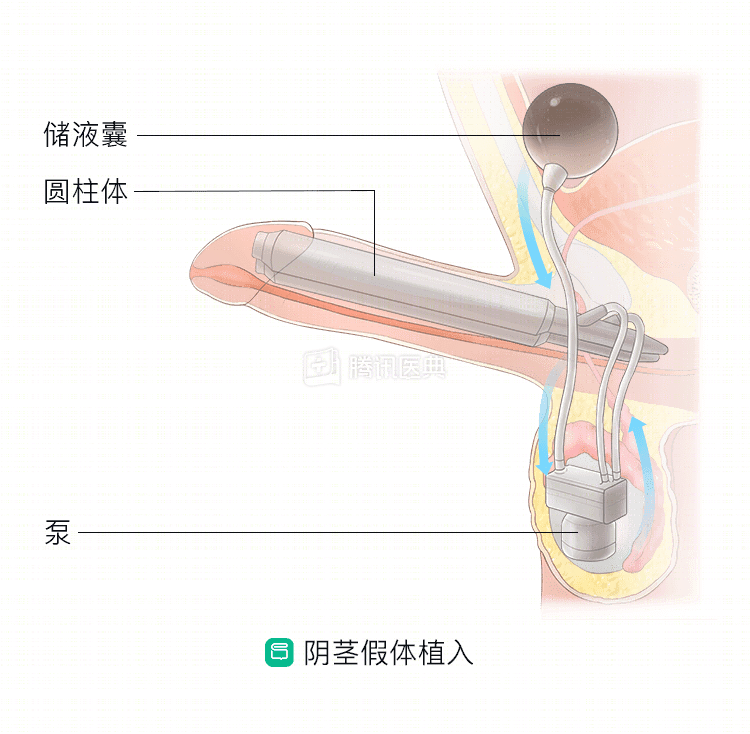
3. Oxytocin: Sublingual administration of oxytocin for about 10 minutes before intercourse can help achieve orgasm.
4. Supplements: Some men take herbs or supplements to improve libido and sexual function, such as dehydroepiandrosterone (DHEA), L-arginine, ginkgo, ginseng, yohimbine, and zinc. However, there is a lack of sufficient evidence to support the safety and effectiveness of these drugs and supplements, so caution is needed before taking them and consultation with a physician is recommended.
What should I look for in my life?
- Attending to exercise and diet can reduce the risk of erectile dysfunction, such as eating more vegetables, fruits, whole grains, and fish.
- Smoking and drinking alcohol may reduce erectile function, so it’s best to stop smoking and drinking.
- Train your pelvic floor muscles to improve erectile function.
- Stress and anxiety can drive the body to produce adrenaline, which can be detrimental to sexual activity, so try some relaxation and stress reduction exercises, such as yoga, meditation, and breathing exercises.
How can I improve the quality of my sex life?
The most important thing is to communicate and talk to your partner and be honest about your inner concerns and fears, don’t be naive and think she must know your thoughts and concerns.
Some basic techniques, such as sexual fantasy or pleasure, can arouse sexual desire. If you feel an orgasm coming on, you can ask your partner to reduce your own stimulation to prolong intercourse.
There are other intimate activities you can try, such as kissing and touching, that may also be pleasurable for both partners. You can also use an oscillator to stimulate your glans to turn yourself on.
Related articles: