Cystoscopy, known as cystourethroscopy, can be used to check for urethral and bladder-related disease. Cystoscopy may also be taken in patients with suspected prostate cancer in order to rule out other diseases of the urethra or bladder.
The test involves inserting a catheter into the urethra through the urethral opening at the end of the penis, allowing visualization of the intact urethra and bladder, looking for polyps, strictures, abnormal growths, and other lesions.
Cystoscopy is used primarily for:
- Diagnose and evaluate urinary tract disease
- Identify cancer of the bladder or urethra
- Determine the cause of urethral pain
How is the test performed?
A cystoscope is a tubular instrument with a light and viewing device that is used to examine the inside of the urethra. There are two types of cystoscopes: the standard rigid cystoscope and the flexible cystoscope.
In both methods, the examination procedure is very similar, except for the fixed position. That is, the subject is asked to lie down with knees up and apart, followed by cleaning of the urethra, anesthetizing the area in question with a local anesthetic, and then inserting the cystoscope through the urethra into the bladder.
If a soft cystoscope is used, it will be more difficult for the physician to perform, but the patient will feel more comfortable. Still, the choice of which cystoscope to use depends on the purpose of the examination.
During the exam, the doctor fills the bladder with water through the cystoscope and continuously asks the patient about how the bladder feels when it is full. The bladder is fully stretched when it is full, thus allowing the physician to view the entire bladder wall. If any abnormalities are found, a small tissue sample (biopsy) can be taken through the cystoscope for analysis.
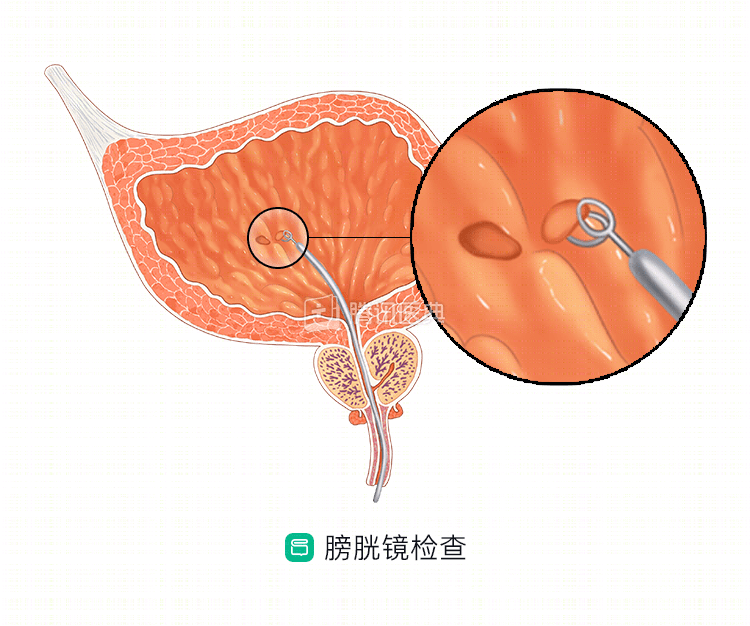
The entire procedure usually lasts 15 to 20 minutes.
Is the cystoscopy painful?
The cystoscope may cause discomfort as it is placed into the urethra and bladder; there may be a strong sensation of urination as the water fills the bladder; and if biopsy sampling is performed, you may feel a slight pinching pain.
In addition, pain in the urethra may occur after cystoscopy, and there is often a burning sensation in urination for a day or two after the examination.
What are the risks of cystoscopy?
Cystoscopy may cause:
- Infection
- Bleeding in the biopsy area (minor)
- Bladder wall and urethral injury
Please seek prompt medical attention if the following occurs after cystoscopy:
- Severe pain at the insertion site
- Chills
- Fever
- Decreased urine output
Related articles: