The prostate is an organ unique to the male, it is a gland in the male reproductive system whose main function is to secrete prostatic fluid, which is involved in making up semen.
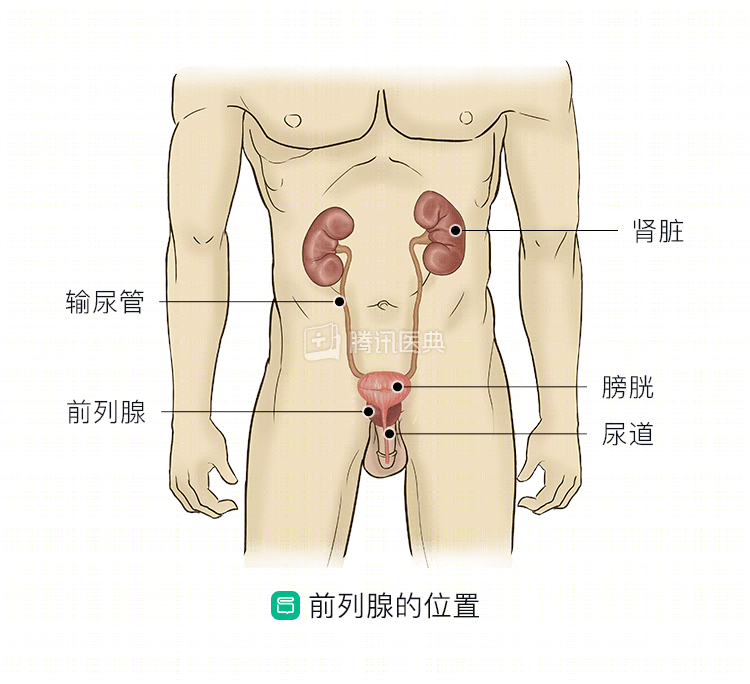
The prostate, which is the size of a walnut, is located below the bladder and encloses the upper part of the urethra, which is responsible for transporting urine from the bladder and expelling it from the body.
In Europe and the United States, prostate cancer has become the “number one killer” of older men. The incidence of prostate cancer in China is not as high as in Europe and the United States, but it has been on the rise in recent years. 2018 national cancer statistics show that the incidence of prostate cancer is 9.8 per 100,000, ranking 6th among malignant tumors in men.
Prostate cancer is a very slow-growing cancer that typically does not cause symptoms until late in life. Most people with prostate cancer die from other causes than prostate cancer, and many never even know they have the disease.
Early stage prostate cancer has a high survival rate with treatment. Unfortunately, however, due to a lack of awareness of prostate cancer screening, many patients in this country are often diagnosed at an advanced stage, thus missing the best time to treat them.
Once prostate cancer has spread, for example, to the bones, lymph nodes and lungs, the opportunity for surgery is lost and a complete cure is difficult. However, with endocrine therapy, radiotherapy, and other treatments, patients can gain long-term control of their disease. As medical technology continues to advance, most patients with metastatic prostate cancer can survive for 5 years or more, and some patients with advanced prostate cancer can even achieve a normal life.
Related articles: