The production and discharge of urine is a very complex process. When the urine in the bladder reaches a certain volume, the person will have the urge to urinate, and if the surrounding environment is suitable (for example, there is a bathroom), the brain, the “command”, will send out instructions, the bladder forceps contract, the internal sphincter of the urethra relaxes, and the urine is expelled through the urethra.
Any obstacle in the whole process of urination will affect urination, which requires the urethra to be open, but also requires the nervous system to be intact, the bladder to be able to generate a certain amount of pressure, and the two “actions” of bladder contraction and urethral sphincter relaxation to be coordinated, so the appearance of the presence of urinary symptoms is not necessarily a sign of prostate disease.
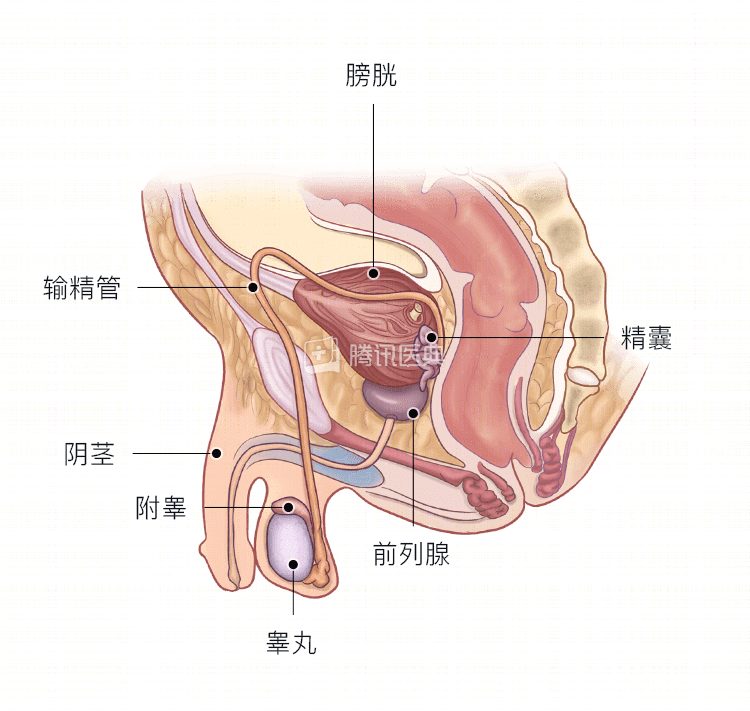
Other causes that may affect urination include:
Bladder disease
Bladder neck contracture is a common condition in which a patient has scarring at the bladder outlet location for various reasons, which is like building a dam at the outlet of a lake, preventing urine from flowing smoothly and causing difficulty in urination.
There are many causes of bladder neck contracture, such as a previous cystoscopy, a previous indwelling catheter, etc. In addition, cystitis, stones, foreign bodies, and tumors in the bladder can often cause symptoms such as frequent, urgent, and painful urination.
Urethral diseases
Some urethral disorders can also cause urinary symptoms. The male urethra is a section of pipe about 16 to 20 cm long. Similar to bladder neck contracture, the urethra can also scar and become narrow (urethral stricture) when irritated by chronic inflammation, which can lead to symptoms of straining to urinate.
Other urethral disorders such as urethral valves, diverticula, stones, tumors, polyps, foreign bodies, and inflammation can also interfere with the passage of urine.
Neurogenic bladder
In addition to structural abnormalities that cause dyspareunia, if there is a problem with the sensory and motor nerve pathways for urination, the urinary signals are not transmitted properly to the brain, making the brain less able to control lower urinary tract symptoms well, which can also lead to urinary symptoms, such as neurogenic bladder.
There are many causes of this disorder, such as diabetes, myelitis, spinal trauma, paraplegia, intracranial tumors, and medications and inflammation that can lead to peripheral nerve damage, which can cause neurogenic bladder.
Chronic cardiac insufficiency
In addition to urinary symptoms, which may be due to problems with the urinary system, they may also be due to diseases of other organs. For example, patients with chronic cardiac insufficiency (commonly known as heart failure) may also experience increased urine output at night and more frequent urination, which can be easily confused with increased nocturia due to prostate enlargement.
In addition, some patients with chronic nephritis may also experience increased urination, or decreased urine output.
In conclusion, it is important not to arbitrarily identify prostate disease as soon as urinary symptoms appear, but to consult with a urologist for relevant tests, otherwise the prostate may be “wronged” and the diagnosis of other diseases may be delayed.