While comprehensive treatment around radical surgery has the potential to cure gastric cancer, some patients with gastric cancer have advanced local disease or distant metastases at the time of presentation, and others have recurrence or metastases after surgery. For these patients with advanced gastric cancer, chemotherapy is the main treatment tool at present. However, the efficacy of chemotherapy alone for advanced gastric cancer is poor, with a median survival of only about one year. Therefore, doctors may consider adding radiotherapy as a local treatment (i.e., palliative radiotherapy) to the treatment of patients with advanced gastric cancer, with two main objectives: first, to reduce the patient’s pain and improve the quality of life; and second, to improve the patient’s prognosis appropriately.
How can palliative radiotherapy relieve symptoms of gastric cancer?
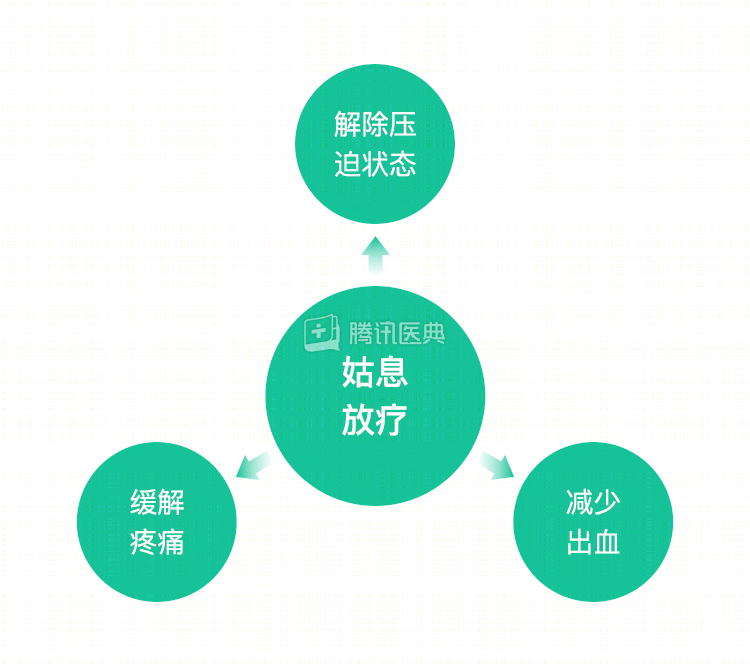
Patients with advanced gastric cancer may experience severe clinical symptoms due to tumor growth causing compression and invasion, such as difficulty eating due to digestive obstruction, anemia due to bleeding, and pain affecting activity and rest, which can seriously affect patients’ quality of life. Although palliative surgery can solve some of the symptoms of gastric cancer, surgery requires certain physical condition of patients, and chemotherapy can bring limited benefits in terms of symptom relief. Radiotherapy, as a local treatment, is less invasive and more efficient, and still has a role in relieving symptoms and improving quality of life, and its main benefits can be expressed in the following aspects:
- Relief of tumor-induced compression symptoms Palliative radiotherapy can relieve local GI obstruction, obstructive jaundice and other compression symptoms by shrinking the primary tumor or metastases of gastric cancer. In particular, it is important to note that palliative radiotherapy is highly effective in relieving dysphagia caused by compression of the esophagus by gastric cancer.
- Reducing bleeding due to gastric cancer The rationale for reducing bleeding with radiotherapy is to occlude blood vessels by radiation, which has been reported to be more than 50% effective in some studies.
- Pain relief Cancer pain is a sensation caused by the transmission of information to the nerve center about the need for repair or modulation at the site of pain, and is one of the most important causes of poorer quality of life in patients with advanced gastric cancer. In particular, gastric cancer may also present with stomach pain and may cause back pain after the occurrence of intra-abdominal lymph node metastasis. Some studies have reported that palliative radiotherapy can be 80% to 90% effective in relieving cancer pain caused by gastric cancer, especially back pain caused by lymph node metastasis.
.
What is the impact of palliative radiotherapy on patient prognosis?
Patients with metastatic gastric cancer
Gastric cancer is characterized by high malignancy and invasive metastatic ability, and many patients have already developed metastases to the liver, lung, brain, and peritoneum at the time of initial diagnosis. A 2013 study of patient data from the United States, published in Cancer, showed that radiotherapy improved survival by 1 month for those who had radiotherapy alone compared with those who did not have treatment, and by 6 months for those who had radiotherapy and surgery compared with those who had surgery alone. The survival of patients with radiation therapy and surgery was increased by 6 months compared with those with surgery only. However, this study was retrospective, meaning that it was only an analysis of previous patients, and the results are only indicative; more advanced studies are needed to investigate the role of palliative radiotherapy on the prognosis of metastatic gastric cancer.
Patients with locally advanced inoperable and postoperative palliative surgery
The goal of radiotherapy for these patients is to control the tumor locally with the goal of prolonging survival, and in a small number of patients, to regress the tumor to allow for surgical treatment. Studies from the Mayo Clinic, one of the leading cancer research institutions in the United States, have shown that concurrent radiotherapy is more effective than radiotherapy alone. There are few studies comparing concurrent radiotherapy with chemotherapy alone, but a previous high-quality study published in Cancer confirmed the efficacy of concurrent radiotherapy, but large clinical studies are needed to confirm the results. In any case, concurrent radiotherapy is more effective than chemotherapy alone in improving surgical resection rates and reducing tumor stage, but whether this translates into survival benefit requires further study.
In summary, palliative radiotherapy is effective in reducing pain, improving quality of life, and possibly prolonging survival in patients with gastric cancer, but its efficacy in this regard depends on further validation through high-quality, large clinical studies. (Contributed by Junhua Zhao, Department of Gastrointestinal Oncology, The First Hospital of China Medical University)