Active surveillance
Active surveillance means keeping a close eye on any signs of possible growth or change in cancer tissue.
Patients do not have to be treated right away while they are on active surveillance. Patients may need to go to the hospital frequently for follow-up and for tests such as rectal exams, prostate specific antigen (PSA) tests, and prostate puncture biopsies.
If the results of these tests suggest that the cancer tissue is growing or changing in some way, the clinician may recommend radiation therapy or surgery to remove it.
Of course, during active surveillance, the patient can always change his or her mind and proceed with a more aggressive treatment approach.
Active surveillance is generally indicated for patients with early-stage prostate cancer because prostate cancer is usually slow-growing and does not affect the patient even until he or she dies. So for some men, active surveillance may be a way to avoid the side effects of treatment and save money on treatment, and it will not affect their life expectancy.
Surgery
Surgical resection is for patients with early-stage prostate cancer who are well enough to tolerate surgery. The procedure to remove the prostate is called radical prostatectomy. There are many different types of surgery for prostate cancer, including:
Open radical prostatectomy for prostate cancer
Open radical prostatectomy is also known as a radical resection of prostate cancer behind the pubic bone. In this procedure, the surgeon removes the prostate through an incision between the belly button and the pubic bone, while being able to explore nearby lymph nodes for metastases. This procedure is used to protect the infra-abdominal plexus, reducing the chance of damage to the nerves near the prostate that control erection and bladder function.
Laparoscopic radical prostatectomy for prostate cancer
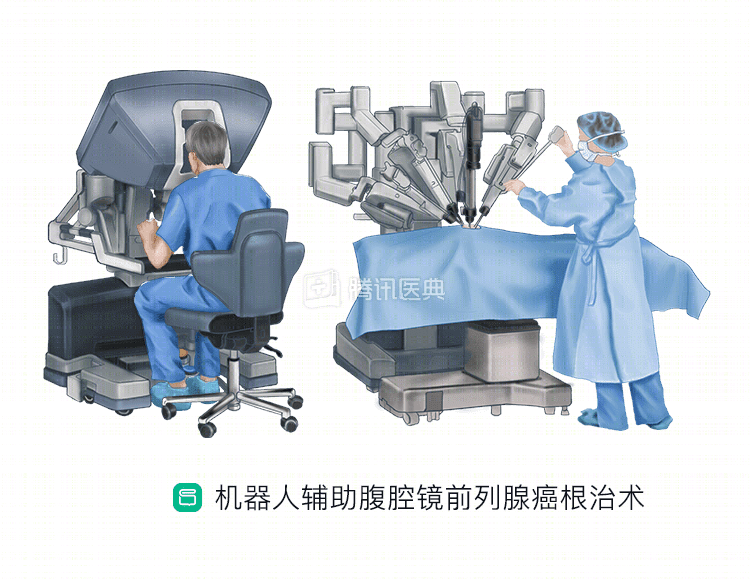
In this procedure, the surgeon examines and removes the prostate through a laparoscope. A laparoscope is a long, thin tube with a light and camera at the end of it. While open surgery requires a long incision in the abdomen, the laparoscopic approach is done through 4 to 6 small incisions in the belly button and abdomen. The laparoscope enters the patient’s body through one of the incisions, and the surgical tools are delivered through the other incisions to complete the procedure inside the patient’s abdomen.
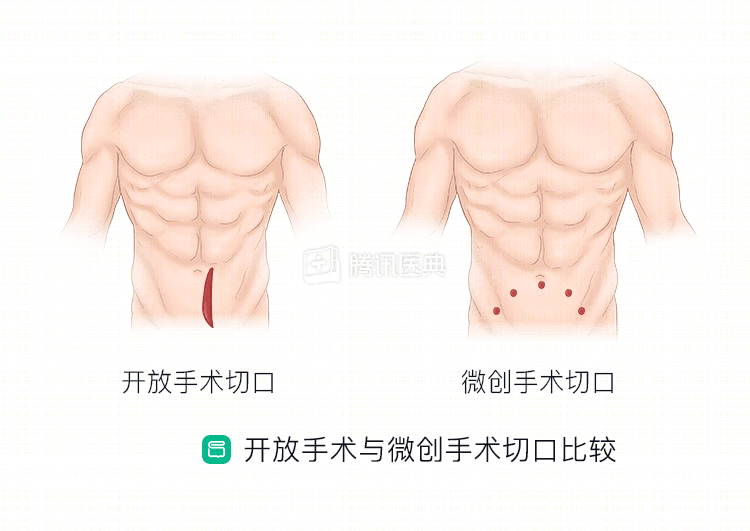
In addition to the relatively small surgical incision, this surgical approach also facilitates the preservation of peripheral nerves. Robotic surgery is also done laparoscopically.
-
Radical transepithelial prostatectomy
In a radical transepithelial prostatectomy, the surgeon removes the prostate through an incision between the scrotum and anus. However, this approach does not allow for examination of the periprostatic lymph nodes and does not preserve the nerves, so radical transcervical prostatectomy is not used as a routine procedure.
Radiation therapy
This treatment uses high doses of radiation rays to treat the cancer. Radiation therapy is a good option for people with early-stage prostate cancer. For older patients or those with other health problems, radiation therapy may be the best treatment.
There are several different classifications of radiation therapy:
External radiation therapy
In this type of radiation therapy, a machine moves around the patient’s body, sending radiation from multiple directions to the cancer lesion. Before starting treatment, the doctor will precisely locate the patient’s prostate. Throughout the course of treatment, patients will receive treatment once a day, five days a week, for a total of 6 to 9 weeks. Each external radiation treatment usually takes about 15 minutes.
3D conformal radiation therapy is a type of external radiation therapy that is commonly used to treat prostate cancer. It allows doctors to carefully plan the shape of the radiation beam to more precisely target the cancer while avoiding damage to nearby healthy tissue.

Short-distance radiation therapy
Short-distance radiation therapy is a type of internal radiation therapy in which a doctor places radioactive material inside the prostate gland. There are two main types of short-distance radiation therapy, low dose rate (LDR) short-distance radiation therapy and high dose rate (HDR) short-distance radiation therapy, which is a treatment option for patients with low-risk prostate cancer.
1) Low dose rate short-distance radiation therapy
In this type of short-distance radiation therapy, the doctor implants a low-dose source of radiation or radiation particles into the patient’s prostate. The size of the radiation particles is smaller than a grain of rice, and the number of particles implanted depends on the size of the patient’s prostate.
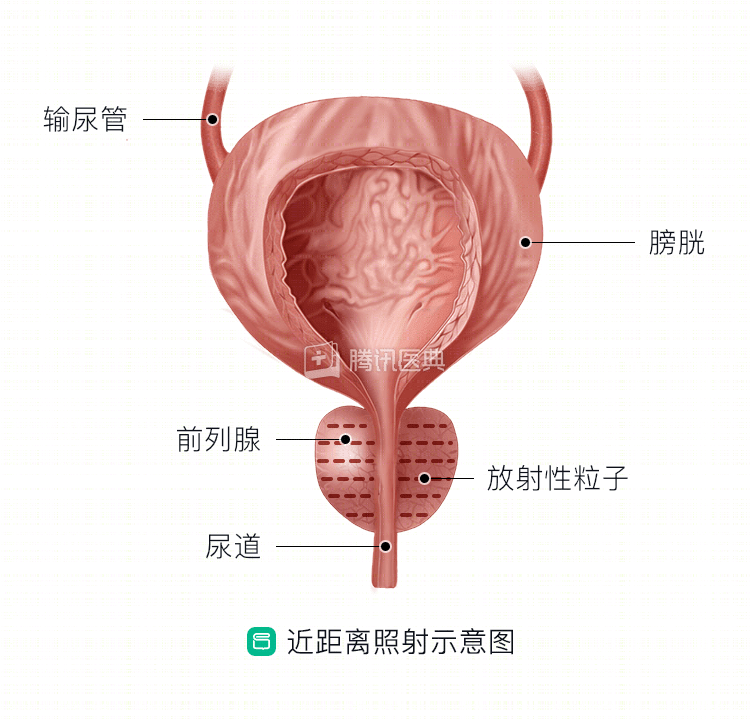
The radiation capacity of the particles gradually wears off over a period of 2 to 10 months. Once the radiation wears off, the particles remain in the patient’s prostate, but they do not cause any side effects. The procedure to implant the radiation particles can be done on an outpatient basis, without hospitalization.
2) High-dose-rate short-distance radiation therapy
Before starting high-dose-rate short-distance radiation therapy, the doctor places tiny hollow catheters inside the patient’s prostate. At each treatment, the physician will place one or more high-dose radiation sources through the catheter in the prostate and then remove the radioactive material after a few minutes. The hollow catheter will remain in the patient’s prostate gland until the end of the entire course of treatment. The patient will need to remain in the hospital or radiation clinic for the entire treatment.
Extracorporeal radiation therapy and short-distance radiation therapy can be used together.
New treatments
Here are some of the new therapies for early-stage prostate cancer that are in the research phase:
Intensity modulated radiation therapy (IMRT)
Intensity-modulated radiation therapy is a form of external radiation therapy that uses computers to deliver radiation precisely to the cancer and also to reduce damage to nearby healthy tissue, such as the rectum and bladder.
Proton beam therapy
Proton beam therapy is also a form of external radiation therapy, but the difference is that it uses protons rather than X-rays to deliver radiation. The use of protons can produce very high doses of radiation to treat prostate cancer tissue, while it reduces the impact on normal tissue.
Cryosurgery
Cryosurgery (also called cryoablation or cryoablation) is a treatment that freezes prostate tissue to destroy cancer cells. In this treatment, the doctor inserts a probe into the prostate through an incision between the scrotum and anus and delivers liquid nitrogen through a special probe to the prostate cancer tissue. Sometimes, doctors are also able to use a fine needle puncture to deliver liquid nitrogen to the prostate for treatment, which does not require a skin incision.
Can endocrine therapy be used for early-stage prostate cancer?
Male hormones, such as testosterone, can promote the growth of prostate cancer tissue. Endocrine therapy slows the growth of prostate cancer tissue by reducing the body’s ability to produce testosterone, or by blocking the action of testosterone in prostate cancer cells.
Endocrine therapy plays an important role in treating early-stage prostate cancer. It can be used with radiation therapy for patients with early-stage, high-risk prostate cancer. Endocrine therapy may be an option instead of surgery or radiation if the patient has:
- The patient is older than 70 years of age or has other health problems;
- The patient is found to have progressive prostate cancer during active surveillance.
When these problems occur, the doctor may recommend that the patient receive endocrine therapy for no more than 6 months or up to several years.
Side effects of endocrine therapy include loss of sex drive, erectile dysfunction, hot flashes, and osteoporosis.
Related articles: