The prostate is anatomically located in the deepest part of the pelvis and can be “out of sight, out of mind”.
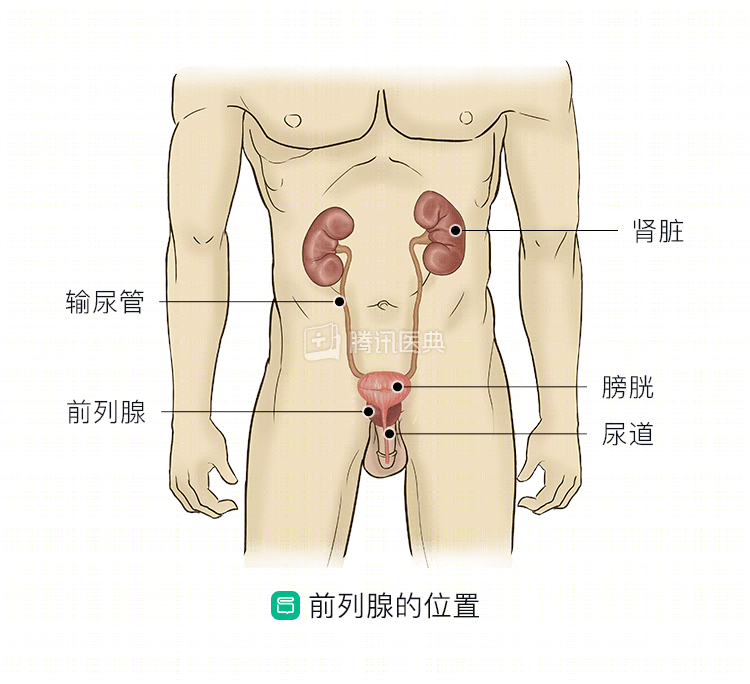
The main symptoms of prostate disease are voiding disorders, called lower urinary tract symptoms, including bladder irritation, urinary tract obstruction, and urinary incontinence:
- Irritation symptoms are mainly urinary frequency, urgency and painful urination;
- Obstruction symptoms include difficulty in urination, interruption of urine flow, and urinary retention.
Frequent urination and increased nocturia
Frequent urination is a significant increase in the number of times the patient feels the urge to urinate and a decrease in the volume of urine each time. In severe cases, the patient urinates once every few minutes and the volume of urine is only a few milliliters each time. The normal adult male urinates 4 to 5 times during the day and no more than 2 times at night, with a volume of about 300 ml each time. If you have to urinate once during the day or more than 2 times at night in less than 2 hours, you are considered to have frequent urination. The most common causes of urinary and genital tract inflammation, bladder stones, bladder tumors, and prostate enlargement can all cause frequent urination.
Frequent nighttime urination, also known as nocturia, is predominant in the second half of the night and often requires getting up several times a night. The most common early symptom of BPH is frequent urination, mainly increased nocturnal urination, which can also occur in people with cardiac insufficiency and should be noted in patients with heart disease.
If the frequency of urination only increases, and the volume of urine does not decrease or even increases each time, it may be physiological, such as drinking a lot of water or eating fruits with diuretic effect (such as watermelon); it may also be pathological, such as diabetes, uremia or polyuric phase of renal failure; sometimes mental factors may also cause frequent urination, such as insomnia and anxiety.
Urgent urination
Under normal circumstances, if the surroundings do not allow it, you can hold urine when you have the urge to urinate and delay urination.
Urgency is a sudden, strong urge to urinate that is difficult to suppress subjectively and delays urination. There is a sense of urgency and impatience to urinate that cannot be controlled. When the urge to urinate comes, you have to urinate as soon as possible, and with a slight delay, urine will come out uncontrollably.
Frequency, urgency, and painful urination often occur at the same time, as a cause and effect of each other.
Painful urination
Urinal pain is pain felt in the urethra, bladder, or perineal area (the area between the anus and scrotum) during urination. The pain manifests itself as a burning sensation and can be mild or severe, with severe pain like a knife cut. It is common in urethritis, prostatitis, prostate enlargement, vesiculitis, cystitis, urinary stones, pyelonephritis, etc.
Doctors will further clarify the diagnosis of the disease based on the characteristics of the painful urination:
- Pain is evident at the beginning of urination, or combined with difficulty in urination: the lesion is mostly in the urethra, commonly in acute urethritis.
- Pain at the end of urination, combined with urgency: the lesion is usually in the bladder and is commonly associated with acute cystitis.
- Pain at the end of urination, pain after urination, or “empty pain”, or pain without urination: the lesion is usually in the urethra or adjacent organs, such as cystitis, prostatitis, etc.
- Sudden interruption of urination with pain or retention of urine: This is seen with bladder or urethral stones or foreign bodies in the urinary tract.
- Incompetent urination with painful distention: mostly suggests prostate enlargement in the elderly, also seen in urethral stones.
- Stinging and burning pain in urination: Most often seen in acute inflammatory irritation, such as acute urethritis, prostatitis, cystitis, etc.
Frequency, urgency, and painful urination often occur together and are called bladder irritation symptoms. There are many common causes, such as prostate enlargement, bladder tumors, bladder stones, urethral stones, urinary tract infections, etc.
Difficulty in urination
Difficulty in urination includes hesitant urination, straining to urinate, weak urine line, bifurcation, thinning, feeling of incomplete urination, and dribbling.
- Hesitant urination: This refers to a delay in the onset of urination, often rushing to the toilet only to have to wait a while to relieve the urine.
- Struggling to urinate: refers to the need to increase abdominal pressure to initiate urination, which means that you have to hold your breath and puff your stomach hard to urinate.
- Thinner urine lines and shorter projections: sometimes even causing urine to drip onto pants and feet.
- Divergent urine stream: This is when the urine stream forms a double strand or scattered stream.
- Incomplete urination feeling: It is the feeling that urine is still in the bladder after urination, but it does not come out.
- Dripping urine: It means that after urination is finished, a small amount of urine still drips out of the urethra and drips.
Urinary retention
Urinary retention is divided into two categories: acute and chronic:
- Acute urinary retention is mainly manifested by a sudden inability to urinate and retention of urine in the bladder. It is common in patients who are afraid to strain to urinate after abdominal or perineal surgery, as well as benign prostatic hyperplasia, prostate cancer or urethral stricture.
- Chronic urinary retention presents with difficulty urinating and a bulging, uncomfortable or painful small abdomen.
.
Urinary incontinence
Urinary incontinence refers to the flow of urine that cannot be controlled on its own. It can be divided into four types:
- Persistent incontinence (bladder loses the ability to control urine and leakage occurs continuously)
- Fullness incontinence (overfill of the bladder causing a small amount of urine to overflow, like a river silting up downstream and causing flooding upstream)
- Urgent incontinence (an uncontrollable feeling of urgency, often suddenly feeling the urge to urinate, with urine already coming out before you can get to the bathroom)
- Stress incontinence (urine leakage occurs when there is pressure on the bladder, for example during exercise, coughing, sneezing, laughing)
The main types of incontinence associated with prostate enlargement are overflow incontinence and urge incontinence.
Hematuria and hematuria
Hematuria is the presence of blood cells in the urine and is divided into visual hematuria and microscopic hematuria.
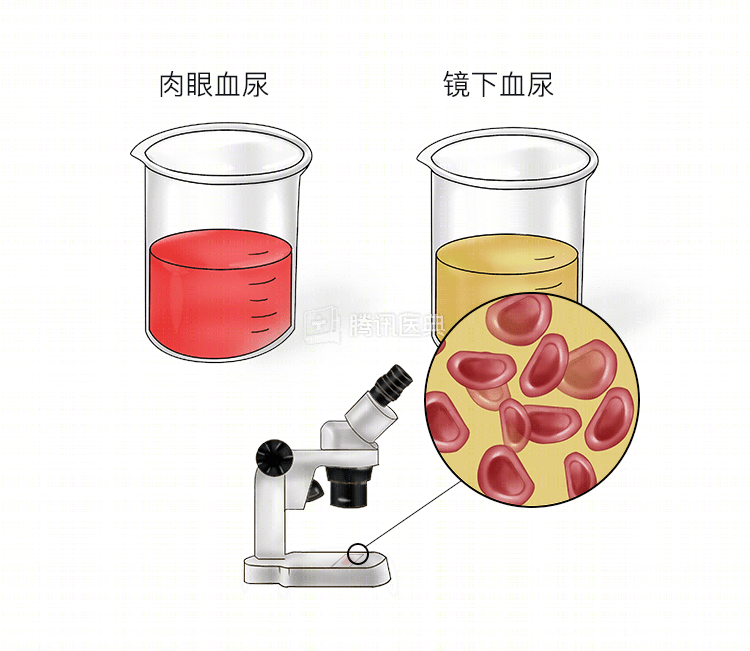
Normally there are no red blood cells in the urine. As the name implies, naked eye hematuria is blood color that is visible to the naked eye and can be pale red and cloudy, washboard-like, soy sauce colored, or with blood clots. Usually 1 ml of blood in 1000 ml of urine is pale red and visible to the naked eye.
If the change in the appearance of the urine is not obvious, and the urine is centrifuged and precipitated, a microscopic observation of >3 red blood cells per high magnification field is called microscopic hematuria. So not all hematuria can be detected by the eye, and those that can be seen with the eye indicate that the hematuria is more severe. However, any degree of hematuria should not be easily dismissed, and the possibility of malignancy should be considered first, requiring prompt consultation with a regular hospital to identify the cause and actively treat it.
It is worth noting that hematuria is often a red flag for disease, but the severity of hematuria does not necessarily indicate the severity of the disease. In addition, red urine is not always hematuria. Some medications and foods can also make urine appear red, orange, and brown, such as rhubarb, rifampin, and tetracyclines.
Hematuria is the presence of blood in the semen, mostly caused by inflammation of the prostate and seminal vesicles, and usually resolves on its own within a few weeks. If it persists for more than a few weeks, lesions such as tuberculosis of the genital tract and prostate tumors need to be ruled out.
Summary
In summary, if you have symptoms such as frequent urination, urgency, painful urination, or difficulty urinating, it may be due to a problem with the prostate, such as prostate enlargement, prostatitis, or even prostate cancer, but it may also be due to other diseases, such as bladder disease (cystitis, bladder cancer, etc.), urinary tract infection, or urinary tract stones, etc.
Therefore, it is important to go to a regular hospital for examination and treatment after these symptoms appear, and not to delay the consultation or take medication without permission, so as not to miss the best time for treatment.
Related articles: