The early diagnosis and treatment of tumors has now become a consensus between doctors and patients, but do all early-stage prostate cancers need to be treated as a matter of course?
No.
No, not really.
Prostate cancer is a very different type of tumor, and although they are all called prostate cancer, the “character” and “presentation” of prostate cancer varies greatly from patient to patient. The actual fact is that you can find a lot of people who are not able to get a good deal on this kind of things. Of course, there are some prostate cancers that are aggressive and rapidly progressing, seriously threatening the patient’s life. Therefore, the principles of management are different for different types of early prostate cancer.
How do you screen which patients with early prostate cancer need treatment and which ones do not? If treated, is it open surgery (surgery), light (radiation therapy), or injections and medications (endocrine therapy)?
This requires a combination of tumor stage, malignancy, patient physical condition and life expectancy, and socioeconomic circumstances to analyze these questions:
- If the patient is in good health, has a life expectancy greater than 10 years, and the tumor is likely to progress, prompt radical surgery should be performed;
- For incidental carcinoma with a Gleason score of 2 to 4 (prostate cancer detected during transurethral augmentation prostatectomy), highly differentiated prostate cancer with a clinical stage of T1a can be “left alone”, that is, treated on a standby basis, regardless of age. However, the malignancy and biological behavior of the tumor may change as it grows, so these patients should be vigilant and have their prostate-specific antigen (PSA) reviewed regularly to adjust their follow-up and treatment plan if changes are detected.
.
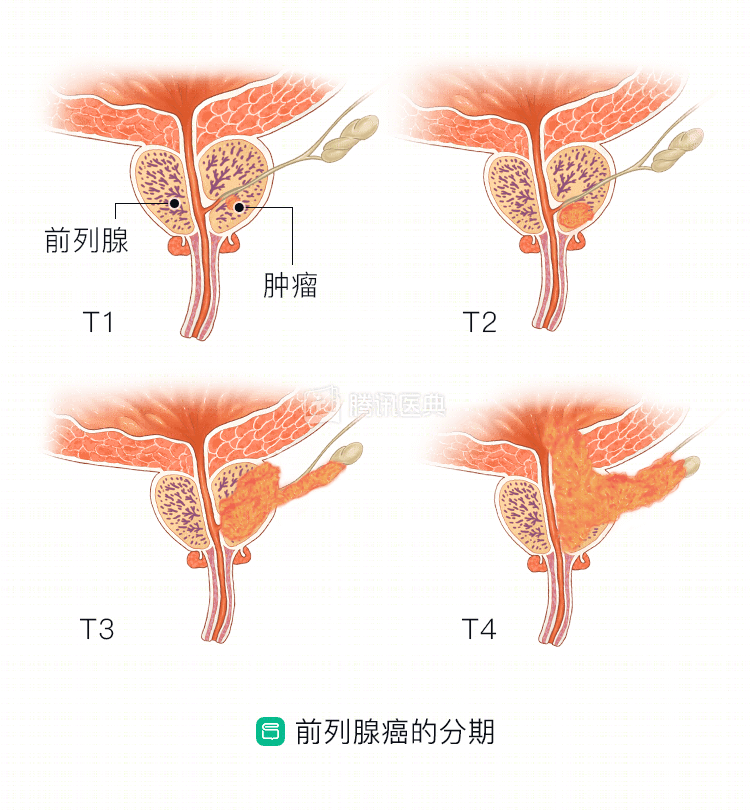
Another important factor to consider in choosing a treatment option is age. For elderly patients with underlying disease, most can be managed on a standby basis if the prostate cancer is in an early stage and life expectancy is less than 10 years; there are also some elderly patients with high tumor malignancy and a high risk of progression, but who are not physically able to tolerate surgery, then radiation therapy is an option.
So not all early-stage prostate cancers require immediate surgery, and the decision needs to be made taking into account the patient’s age, physical condition, tumor malignancy, and other factors.
For example, former Secretary of State Colin Powell and Warren Buffett were both patients with early-stage prostate cancer, but Powell was 66 years old when he was diagnosed in 2003, so he opted for radical surgery; Buffett was 82 years old when he was diagnosed with early-stage prostate cancer in 2012, so he opted for radiation therapy, and today both figures have their prostate cancers well-controlled.
Related articles: