Before answering questions related to liver metastases from esophageal cancer, let’s get to know our liver.
The liver is the single largest gland in the body. The liver produces bile that is involved in the digestion of lipids and fat-soluble substances in food. The liver is a large blood-containing organ with abundant blood sinuses (also called sinusoidal capillaries, mainly in the liver, spleen, bone marrow, and some endocrine glands), into which hepatic arterial blood, as well as portal venous blood from the confluence of veins of the stomach, intestines, pancreas, and spleen, converge. As 75% of the blood supply to the liver comes from the portal vein, liver metastasis often occurs in gastrointestinal tumors. The vascular structure of the liver and the tissues within the liver are illustrated below:
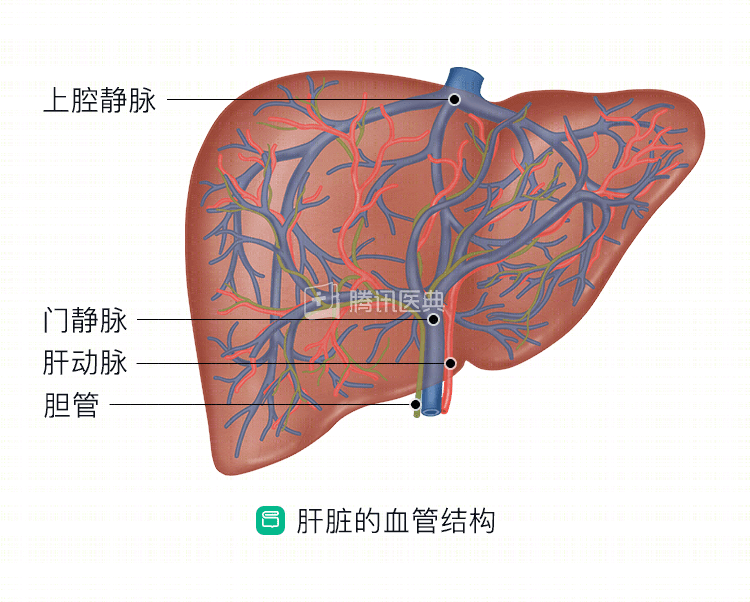
The liver is the organ where esophageal cancer most frequently metastasizes distantly. The most common mechanism of liver metastasis is hematogenous dissemination. Figuratively speaking, cancer cells are like seeds that flow with the bloodstream to all parts of the body, and when they encounter the right soil, they colonize and continue to proliferate into tumors.
What are the symptoms of liver metastasis? Can I catch it early?
Liver metastases can cause many different symptoms, including distension in the liver (which may be exacerbated by acute abdominal pain if the metastasis ruptures), bloating, abdominal pain, anorexia, wasting, and jaundice. If any of these symptoms occur after treatment for esophageal cancer, it is recommended that you seek prompt medical attention.
Physical examination may reveal enlargement of the liver and percussion pain in the liver area. When the metastases cause deterioration of liver function and portal hypertension, splenomegaly, abdominal wall varices, liver palms, spider nevus, ascites, and malignant fluid may appear.
How do doctors confirm the diagnosis of liver metastases?
To confirm the diagnosis of liver metastases, your doctor will need to ask you about your medical history and symptoms in detail, perform a physical examination, and schedule reasonable hematologic tests, imaging, and, if necessary, pathologic biopsy.
- Symptomatically, your doctor will focus on whether you have digestive dysfunction, discomfort in the liver area, abdominal distention, abdominal pain, etc.
- For physical examination, the doctor will look carefully at your skin mucosa for yellow staining, liver palms, spider nevi, abdominal surface for varices, palpation for hepatosplenomegaly, percussion for signs of ascites, etc.
- For hematologic laboratory tests, the doctor will pay attention to the presence of elevated liver enzymes and bilirubin, as well as abnormalities in coagulation and albumin synthesis.
- For imaging, the physician will look for intrahepatic occupancies on ultrasound, CT, or MRI of the liver.
- If the diagnosis is doubtful, a puncture biopsy may be performed if necessary, and pathologic diagnosis is the gold standard.
With liver metastases, can they still be treated?
The treatment of esophageal cancer after liver metastasis includes palliative surgery, palliative chemotherapy, and local interventional therapy, which requires comprehensive treatment with multidisciplinary collaboration.
- For cases with few metastases, surgical resection can be considered. For lesions that are difficult to remove surgically, anhydrous ethanol and radiofrequency ablation can be attempted to destroy the lesion.
- Palliative chemotherapy can control both the primary and metastatic lesions. Your doctor will consider your tolerance and combine it with the sensitivity of the tumor to the drug to choose a treatment plan.
- Transcatheter arterial chemoembolization (TACE) is a local intervention that cuts off the blood supply to liver metastases and delivers higher concentrations of local chemotherapy, which can improve treatment efficiency and reduce systemic toxicity to some extent.
- Aggressive symptomatic supportive therapy and psychological relief therapy are both important to improve the overall quality of life of patients.