Not sure.
There are benefits to eating more vegetables and fruits, but it’s not a good idea to expect that to prevent prostate cancer.
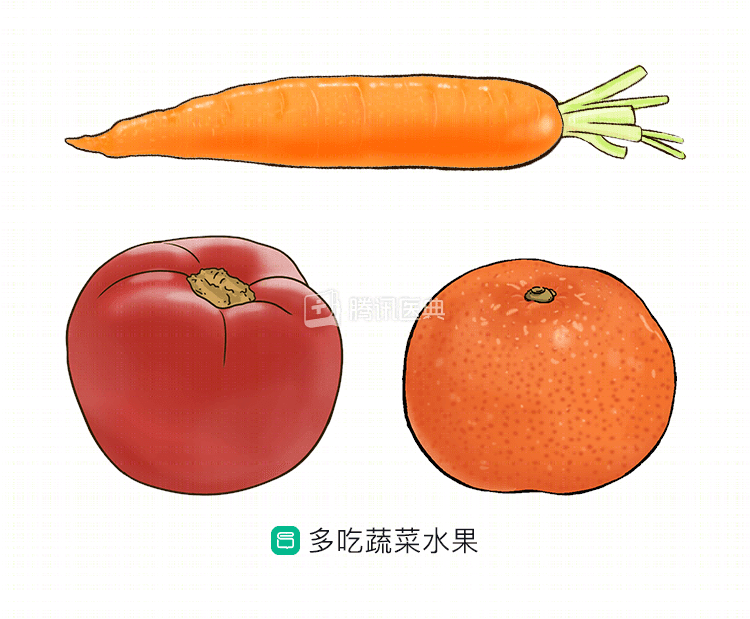
This is because current research is inconsistent regarding the relationship between fruit and vegetable consumption and the risk of prostate cancer:
- One study evaluated a multicenter, multiethnic population that included 1619 prostate cancer patients and 1618 control subjects. The findings found that intake of beans, yellow-orange and cruciferous vegetables reduced the risk of prostate cancer.
- A prospective European study of cancer and nutrition found that after an average follow-up of 4.8 years, 1104 men out of about 130,000 participants had prostate cancer. The analysis showed no significant association between fruit intake, vegetable intake, cruciferous vegetable intake, or fruit and vegetable co-intake and prostate cancer risk.
- A 4-year dietary intervention study showed that reducing fat intake and increasing fruit, vegetable, and fiber intake had no effect on serum prostate-specific antigen (PSA) levels.
It is therefore unclear whether changing the structure of the diet to a low-fat, plant-based diet will reduce the risk of prostate cancer.
While this result is unclear, there are multiple additional benefits to be gained with this diet, including a lower risk of hyperlipidemia, as well as better control of blood pressure and a lower risk of cardiovascular disease – all benefits that prove that adopting this diet is worthwhile.