What is a hematologic tumor?
Blood in the body is a mixture of various cells, proteins, and fluids.
- Red blood cells are responsible for delivering oxygen,
- White blood cells are responsible for fighting disease,
- “Platelets” are tiny pieces of cells that help blood clot and repair wounds.
Blood tumors, including leukemia, lymphoma, and myeloma, can develop when the body’s blood cells become cancerous.
Who is at higher risk of developing a blood tumor?
The exact cause of hematologic tumors is not known, although it is known that certain factors may increase the risk of developing hematologic tumors. For example:
- Having a family member with a hematologic tumor
- Frequent exposure to certain chemicals (such as formaldehyde and benzene, the latter found in gasoline and other fuels)
- Exposure to high levels of radiation
In addition, people who are HIV-positive/have AIDS, or who have concomitant EBV infection, are at increased risk for certain types of blood tumors.
Lymphoma
What is lymphoma?
The body has a network of lymphatic systems, including lymph nodes throughout the body and a type of white blood cell called a “lymphocyte” that helps the body fight infection.
Malignant tumors that attack the lymphatic system are called lymphomas, and they are the most common type of blood tumor. Because the lymphatic system is spread throughout the body, lymphomas can develop from almost anywhere.
What types of lymphoma are included?
There are two types: Hodgkin’s lymphoma and non-Hodgkin’s lymphoma, which form through similar mechanisms, with the difference being the type of lymphocytes involved. When the body produces abnormal lymphocytes, they accumulate to form tumors and can crowd out healthy white blood cells, making them unable to help defend the body against disease.
What is Hodgkin’s lymphoma?
People with Hodgkin’s lymphoma produce a type of Reed Sternberg cell, and about 12% of people with lymphoma fall into this category. Named after the doctor who discovered the disease in 1832, Hodgkin’s lymphoma is one of the most easily curable malignancies.
What is non-Hodgkin’s lymphoma?
Non-Hodgkin’s lymphoma is the most common type of lymphoma that does not have Reed-Sternberg cells, and contains more than 30 subtypes of lymphoma. Some types grow slowly, while others grow rapidly and can spread to other parts of the body. These types of lymphoma then require immediate treatment and are difficult to cure.
How do you recognize and diagnose lymphoma?
The most common symptoms are enlarged lymph nodes, fever, night sweats, unexplained weight loss, and fatigue. In addition, they may include:
- cough;
- chest or abdominal pain;
- Sense of fullness;
- hepatomegaly and splenomegaly.
If a clinician thinks a patient has suspected lymphoma, he or she may order a lymph node sampling biopsy. Based on the patient’s tissue sample, the doctor will be able to analyze whether lymphoma has occurred and the specific type of lymphoma.
Leukemia
What is leukemia?
This blood tumor involves the patient’s blood and bone marrow – the spongy soft tissue in the bone that produces new blood cells. Like lymphoma, leukemia creates many abnormal white blood cells in the patient’s body and crowds out healthy cells so that they cannot help the body fight outside infections.
But leukemia also curbs the body’s bone marrow from producing healthy red blood cells and platelets. It is the most common type of blood tumor in children, and can also develop in adults.
What are the common symptoms of leukemia?
Patients with this type of hematologic tumor may present with weakness and fatigue, and may also have fever, feel weak or sweaty, and have joint pain. In addition, they may include:
- Lymph node enlargement
- Unexplained weight loss
- bleeding or swollen gums
Other symptoms include frequent infections, easy bruising and anemia, which is due to the patient’s inability to produce enough red blood cells in the body.
How is leukemia diagnosed?
Clinicians will perform hematology tests to see if a patient’s white blood cells are much higher than normal. Some patients may have low white blood cells while having a significant decrease in red blood cells or platelets, both of which can be signs of leukemia.
The doctor will also order a bone marrow sampling biopsy (i.e., bone marrow aspiration) to facilitate the presence of leukemia cells. During the sampling procedure, the patient is first given a local anesthetic, and then a needle is punctured into the iliac bone or sternum to take a small sample of bone marrow.
Myeloma
What is myeloma?
This type of blood tumor involves cells called plasma cells that produce antibodies to proteins that attack bacteria and viruses in the body.
Once myeloma occurs, the patient’s body produces many abnormal plasma cells, which produce proteins but cannot be used to fight infection; instead, they accumulate in the patient’s bone marrow, damaging your kidneys and destroying bone through a variety of cytokines, causing osteolytic destruction.
How do I recognize and diagnose myeloma?
Patients do not feel significant discomfort in the early stages, and the first symptom is usually bone pain, usually located in the patient’s back or ribs. Patients may also feel weak, have frequent infections, drink and urinate a lot, be constipated, or have numbness in their hands and feet.
If a clinician thinks a patient is suspected of having myeloma, he or she will order hematology to evaluate for abnormally high levels of certain proteins, a bone marrow biopsy to look for cancer cells, and a scan of the patient’s bones to assess for thinning or fractures.
What are the common treatment options for hematologic tumors?
Radiotherapy and chemotherapy
Treatment of hematologic tumors usually involves chemotherapy or radiation therapy, or a combination of both, to help kill the cancer cells more effectively.
- Chemotherapy regimens use potent drugs to attack tumor cells;
- Radiotherapy, on the other hand, uses high-energy rays to attack tumor cells.
These regimens can also damage healthy cells, cause side effects such as nausea and hair loss, and cause patients to have a further increased risk of infection.
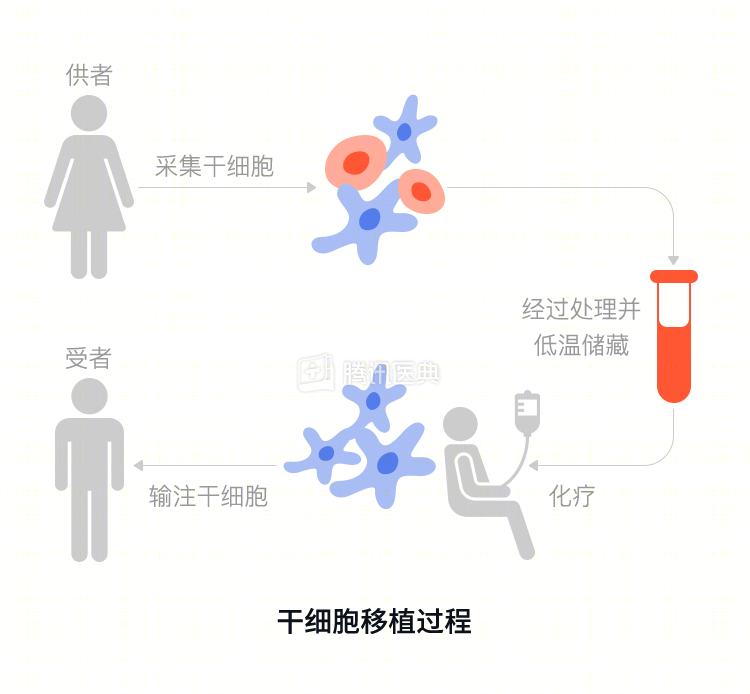
Stem cell transplantation
This therapy is recommended if all other treatments have failed or if the doctor thinks the blood tumor may be recurring. Stem cells can differentiate into different types of cells, so the goal of stem cell transplantation is to replace diseased cells with healthy stem cells that produce normal blood cells or immune cells.
- First, all diseased cells are killed by chemotherapy or radiation therapy;
- Then the patient receives a stem cell transplant from a volunteer donor.
The whole process is like a blood transfusion, where the stem cells are infused through a vein into the patient’s large blood vessels.
CAR -T cell efficacy
The therapy involves isolating a “T cell” from a patient’s blood leukocytes and modifying it with an exogenous gene so that they can better recognize and kill tumor cells. The cells are expanded in large numbers in the lab, and then doctors infuse them back into the patient.
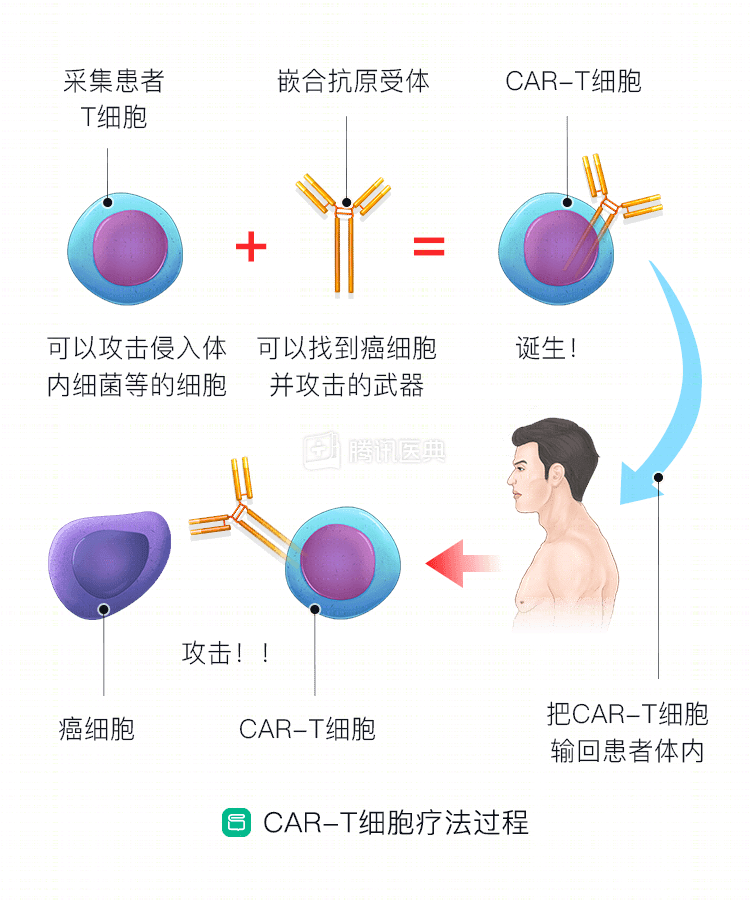
So far, this treatment option has been limited to adolescent patients with acute lymphoblastic leukemia (ALL) and adult patients with certain types of lymphoma or multiple myeloma.