What does it mean if you are diagnosed with hepatocellular carcinoma (HCC) and your disease is in stage IV? First, there are several staging systems for liver cancer internationally, including the Barcelona Clinical Liver Cancer (BCLC) staging system, the TNM staging system, and others. According to the characteristics of patients in China, domestic also has its own liver cancer staging. Below, we understand together the flow chart of treatment for stage IV hepatocellular carcinoma (Figure 1).
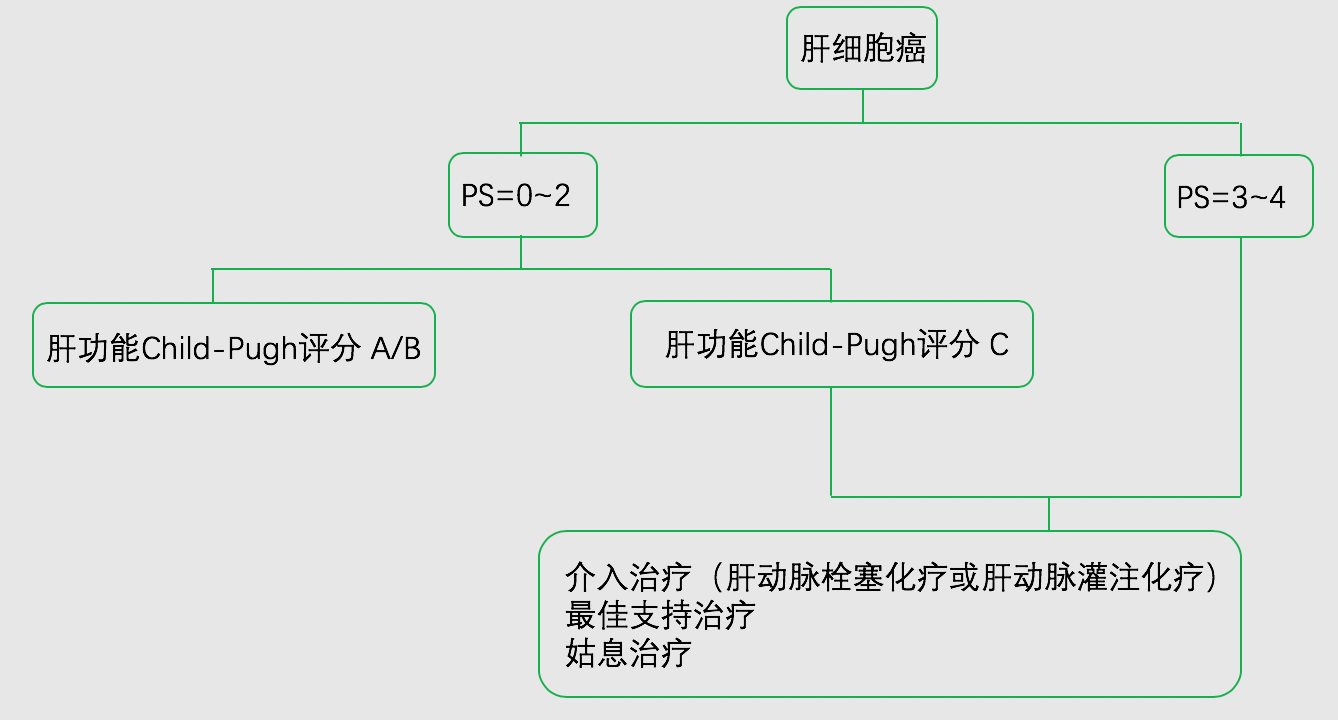
Figure 1 Flowchart for the treatment of stage IV hepatocellular carcinoma
1. Tumor Scope
Stage IV hepatocellular carcinoma, which includes two conditions, patients with poor liver function and patients with poor physical activity status.
For further information about the liver function Child-Pugh rating and physical activity status PS score see the link:
2. Life expectancy
Patients with stage IV hepatocellular carcinoma have a very short survival time because it is difficult to tolerate treatment.
3. Treatment options
When it comes to treatment, doctors are “following the guidelines”. The mainstay guidelines are the NCCN guidelines in the United States and the CSCO guidelines in China, but what do these guidelines recommend for stage IV hepatocellular carcinoma?
Table 1
Table 1 Treatment recommendations for stage IV hepatocellular carcinoma from the NCCN and CSCO guidelines

The “jargon” of the specialty guidelines above is a bit difficult to understand, so I’ll “translate” it for you.
Most of the drugs used to treat liver cancer are also toxic, making it difficult for patients with stage IV hepatocellular carcinoma to tolerate treatment. For a small number of patients with relatively poor liver function, our guidelines suggest that hepatic artery embolization chemotherapy or hepatic artery infusion chemotherapy can be tried. However, the vast majority of patients, whose underlying condition is already poor, are not recommended for overly aggressive, yet potentially serious adverse effects, treatment.
For this group of patients, the recommended treatment is best supportive care (BSC) and palliative care (also known as palliative care), with specific treatments including analgesia, correction of anemia, correction of hypoproteinemia, and nutritional support therapy. For patients who present with complications such as ascites, jaundice, hepatic encephalopathy, gastrointestinal bleeding, and hepatorenal syndrome, the guidelines recommend symptomatic management to reduce patient suffering.
4. Daily Living
Patients with stage IV hepatocellular carcinoma have poor underlying conditions and need more support, care, and comfort from their families.