Hematopoietic stem cell transplant patients are well on their way out of the warehouse once the number of white blood cells has returned to normal, but the quality of the white blood cells, that is, their function, has not yet returned to normal, especially in allogeneic transplant patients, because anti-rejection drugs are still required and some patients take longer to recover their immune function due to the presence of graft-versus-host disease.
When immunocompromised, they are prone to various infections such as fungal, viral, and bacterial infections. How can patients prevent infections after they leave the warehouse?
Preventing fungal infections
First of all, the prevention of fungal infections, a significant proportion of fungal infections are through respiratory inhalation, there are often large numbers of fungi in the soil, plants, dust, construction sites, avoid planting flowers and plants, avoid contact with pollen, dust from construction sites, and when cleaning at home, try to use wet rags and mops to wipe to avoid raising dust. Air conditioner filters and air guides often have a lot of mold and dust attached to them, and it is recommended that they be cleaned before use.
Healthy people are generally less susceptible to fungal infections due to normal immunity, and only patients with immune deficiencies such as organ transplants require fungal prophylaxis.
- Autologous hematopoietic stem cell transplantation generally does not require routine prophylaxis because of the low incidence of fungal infection.
- Patients undergoing allogeneic HSCT, with or without previous fungal infections, are advised to use prophylactic antifungal agents such as fluconazole, voriconazole, or posaconazole from the start of pretreatment until 3 months after transplantation, which can effectively reduce the incidence of fungal infections, especially in patients with graft-versus-host disease.
Pneumocystis jirovecii can cause Pneumocystis jirovecii pneumonia, and oral cotrimoxazole is recommended to prevent the occurrence of Pneumocystis jirovecii infection.
Prevention of viral infections
Secondly, prevention of viral infections, common viral infections after transplantation include herpes viruses (CMV, EBV, HSV, VZV), hepatitis viruses (hepatitis B virus, hepatitis C virus, etc.), and community-acquired respiratory viruses (e.g., influenza virus, respiratory syncytial virus, etc.), with different methods of prevention for different viruses.
Herpes virus prophylaxis
Viral levels of CMV (cytomegalovirus) and EBV (Epstein-Barr virus) should be monitored in the blood after transplantation, and timely, physician-directed early antiviral intervention in the event of either infection can reduce the risk of organ damage from viral infection.
For HSV (herpes simplex virus) and VZV (varicella-zoster virus) viruses, oral acyclovir or valacyclovir is now routinely used for prophylaxis.
Hepatitis virus prophylaxis
For hepatitis B virus carriers, anti-hepatitis B virus drugs such as lamivudine and entecavir should be used to turn HBV-DNA negative before transplantation. This group of patients and HBcAb-positive patients have the potential for post-transplant hepatitis B virus reactivation leading to fulminant hepatitis, and therefore require continuous anti-hepatitis B virus medication after transplantation, at least until 1 year after discontinuation of immunosuppressive drugs, with close monitoring of liver function and hepatitis B virus copy number even after discontinuation of anti-viral drugs.
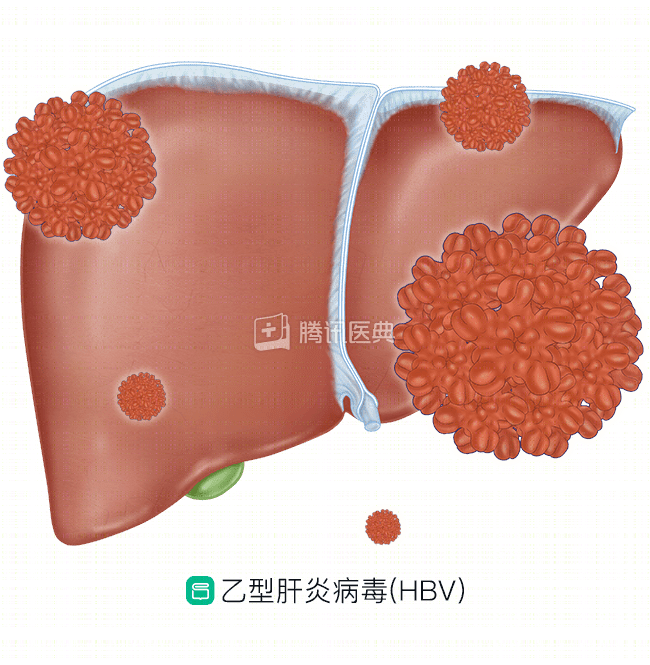
In addition, serology for common hepatitis viruses such as hepatitis A, hepatitis B, hepatitis C, and hepatitis E is also required for patients who develop liver impairment after transplantation.
Community-acquired respiratory virus prophylaxis
Community-acquired respiratory virus infections often occur in winter and spring and are predominantly droplet-borne. Transplant patients can be prevented by wearing masks, hand disinfection, and avoiding contact with infected people.
Preventing bacterial infections
The last point is the prevention of bacteria. It is recommended to develop good personal cleanliness and hygiene habits, bathe and change clothes regularly, especially pay attention to the cleanliness and hygiene of the oral, nasal, and anal perineal areas, rinse the mouth after meals, wipe with wet tissue after stool, and wash the anus with water diligently.
Patients with indwelling intravenous catheters pay attention to skin disinfection, especially when they are hot and sweating, to avoid infection caused by microorganisms entering the bloodstream through the gap between the indwelling catheter and the skin.
In conclusion, attention and prevention of post-transplant infection can effectively reduce the occurrence of infection and is important to improve the success rate of hematopoietic stem cell transplantation.