If symptoms that may indicate leukemia, such as fatigue, weakness, night sweats, lumps in the neck, armpits or groin, frequent bleeding or fever, should be seen immediately, and your doctor may perform the following tests to determine if it is leukemia:
- Inquire about medical history.
- Check the sternum for pressure pain.
- Check for enlarged lymph nodes in the neck, axilla or groin.
- Check for enlargement of the liver and spleen.
- Do routine blood cell and smear tests, and liver and kidney function, and biochemical blood index tests.
- Do bone marrow aspiration smear biopsy, flow, chromosome and related genetic tests. This is the gold standard for diagnosing most leukemias and helps determine the type of leukemia.
.

If the above tests and others suggest a possible leukemia, the doctor will further determine the type of leukemia, which will guide the choice of treatment options.
The following methods may clarify the type:
- Blood tests. Often sufficient to differentiate between those suggesting chronic leukemia and acute leukemia.
- Tests for abnormal cells, chromosomes, or related genes can indicate the type or subtype of leukemia. These tests include.
- Testing for the presence of a specific alteration in a cell chromosome from a bone marrow sample (cytogenetic analysis).
- Identifying the type of leukemia by comparing cell surface markers on cancer cells with those on normal blood cells (immunophenotyping).
- Search for activated oncogenes (reverse transcription-polymerase chain reaction assay, RT-PCR), such as PLM-RARa in promyelocytic leukemia.
- Search for activated oncogenes (reverse transcription-polymerase chain reaction, RT-PCR), such as PLM-RARa in promyelocytic leukemia.
The above tests can help guide treatment options. Sometimes they can also help determine if the leukemia is in remission or has relapsed. In some cases, these tests can also predict survival.
In addition, the doctor may perform other tests on the patient, such as:
- Chest x-ray. Find the cause of a lung lesion (such as persistent cough, hemoptysis, chest pain, or difficulty breathing) to determine whether it is leukemia or an infection.
- CT scans of the head, chest, and abdomen. To understand the severity of the cancer.
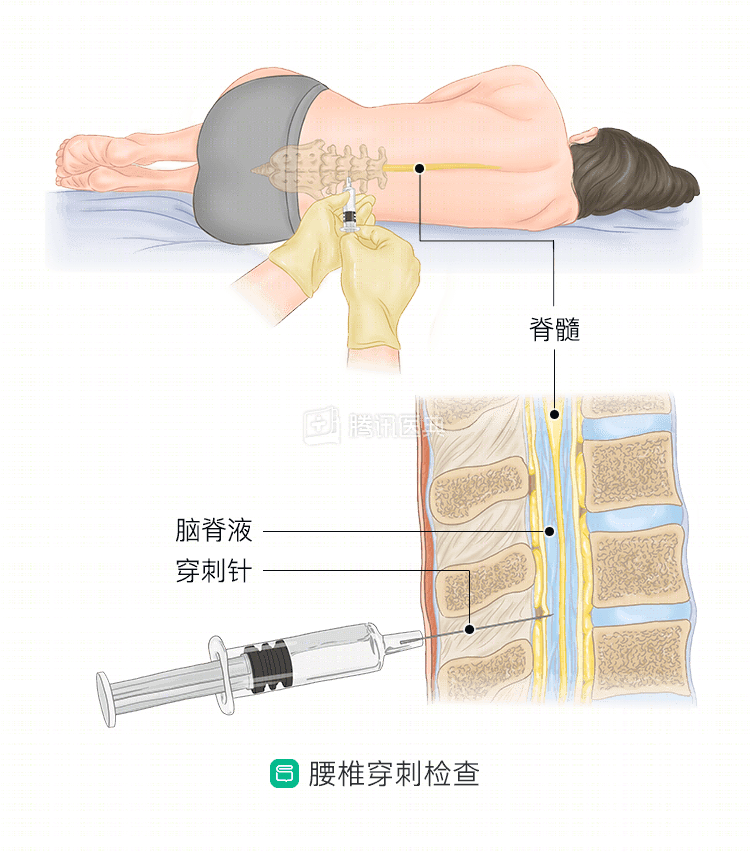
- Lumbar puncture.
- Lumbar puncture. To determine the presence of leukemic cells in the cerebro-spinal fluid (CSF).
- Magnetic resonance imaging (MRI) of the head. to find the cause of symptoms such as impaired consciousness, paralysis, numbness, abnormal vision, vertigo, or headache. These symptoms may mean that the leukemia has spread to the central nervous system.
- Lymph node or other tissue biopsy. to look for the presence of leukemia cells in these areas.