Leukemia is a group of inoperable malignancies because leukemia cells in the blood can infiltrate widely throughout the body, “everywhere they go, no one is spared”. Therefore, treatment of leukemia relies on intravenous administration of chemotherapeutic drugs and systemic treatment wherever the blood goes.
However, in our bodies, there is a natural tissue barrier between the capillaries and the cerebrospinal membrane – the blood-brain barrier – and most systemic chemotherapy drugs given intravenously have difficulty crossing this barrier and reaching effective therapeutic concentrations in the cerebrospinal fluid, making the central nervous system, including the brain, spinal cord, and brainstem, a leukemic cell “sanctuary” and is one of the root causes of leukemia relapse.
So the only way to clarify whether there is leukemic cell infiltration in the center is to do a lumbar puncture and take a specimen of cerebrospinal fluid for examination. This is determined by analysis of the cell count, protein and sugar content, and cerebrospinal fluid pressure in the cerebrospinal fluid. If leukemic cells are found in the cerebrospinal fluid smear, the diagnosis is clear.
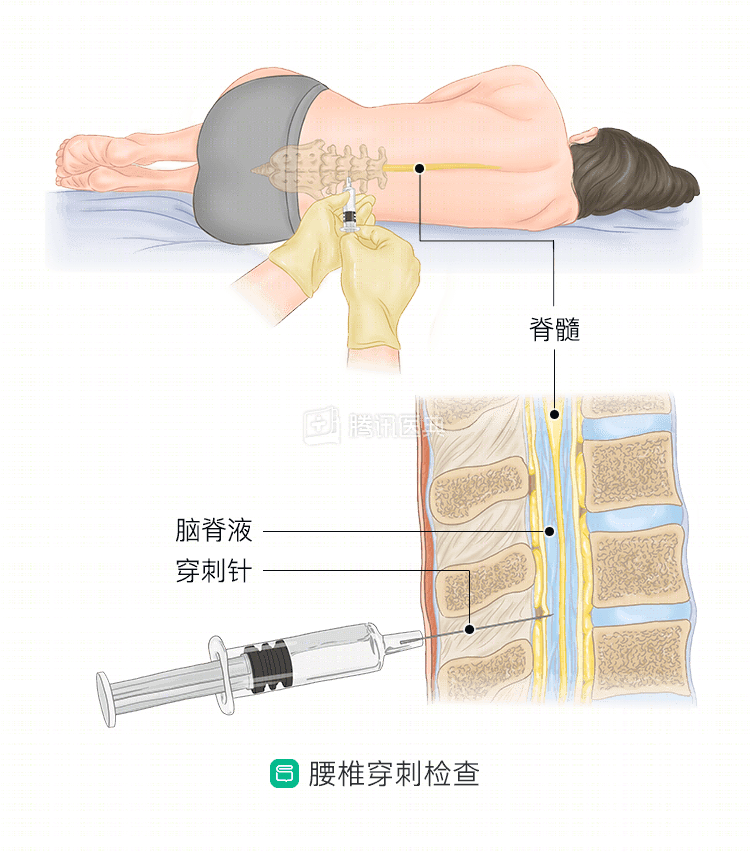
If a central infiltration of leukemia cells occurs, then the patient also needs a lumbar puncture to sheath the chemotherapy drug to increase the concentration of the drug in the cerebrospinal fluid to “kill” the central leukemia cells.
In addition, when a lumbar puncture is performed to obtain cerebrospinal fluid from a leukemia patient, prophylactic sheathing is routinely performed to give the appropriate amount of chemotherapy drugs.
Thus, lumbar puncture is a key method for diagnosis, treatment, and prevention of central leukemia in patients with leukemia.