3-D conformal radiation therapy
3-D conformal radiation therapy is a high-precision radiation therapy that uses CT images to reconstruct the tumor structure in three dimensions for stereoscopic irradiation.
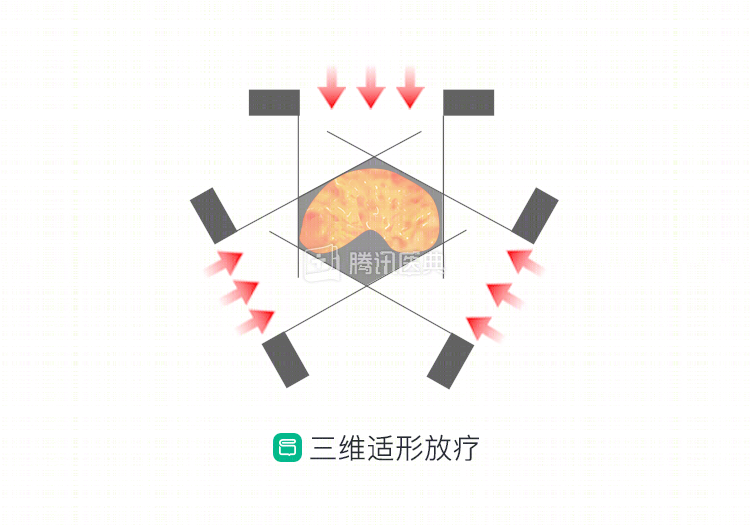
Simply put, the radiation is aimed at the prostate from multiple directions, thus maximizing the killing of tumor cells while minimizing damage to normal tissue. For patients whose tumors are confined to the interior of the prostate, 3D conformal radiotherapy is highly effective.
Treatment procedure
- All patients receive a CT scan dedicated to the development of a radiotherapy plan.
- CT data is sent electronically to the 3D treatment planning computer.
- The physician delineates the area to be treated and its surrounding areas, such as the bladder, rectum, bowel and bones.
- The optimal radiation beam and radiation dose are analyzed using a model generated by the 3D computer.
- When the exact radiation dose to the prostate is determined, the patient returns for a simulated treatment.
- The simulation debugs and depicts the computer-generated treatment plan, and the physician reviews the treatment and side effects with the patient.
Side effects
- Hair loss may occur in the area of radiation therapy.
- Nausea and vomiting are unlikely to occur unless the upper abdominal area also receives radiation.
- Mild fatigue. Daily activities, including going to work, may continue during treatment.
- Frequent urination, weak urine flow, or a mild burning sensation when urinating.
- Diarrhea, but severe diarrhea is rare. Because the radiation beam passes through normal tissues such as the rectum, bladder, and intestines on its way to the prostate, it can destroy some healthy cells, which can lead to diarrhea.
- Long-term complications that may result include proctitis with bleeding, diarrhea, urinary incontinence, and erectile dysfunction.
Intensity-modulated conformal radiotherapy
Intensity-Modulated Radiotherapy (IMRT) is an advanced three-dimensional conformal radiotherapy technique that is very precise.
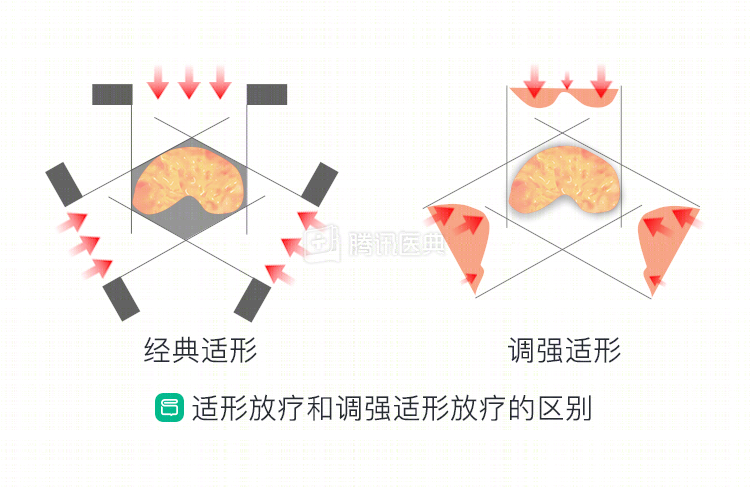
IMRT uses computer-generated images to develop a plan and then sends a tightly focused beam of radiation to the prostate tumor site. With this capability, clinicians can vary the intensity of the radiation beam and “map” the precise radiation dose to the shape and depth of the tumor, while significantly reducing damage to healthy tissue. Clinical studies have shown that the high dose of radiation delivered by IMRT technology is effective in improving local tumor control rates.
Other radiotherapy techniques being used or studied include:
- Image-guided Radiation Therapy (IGRT): Using radiation instruments with built-in scanners, physicians can make minor adjustments before administering radiation therapy.
- Volumetric Modulated Arc Therapy (VMAT): Sends radiation rapidly as the instrument rotates around the body.
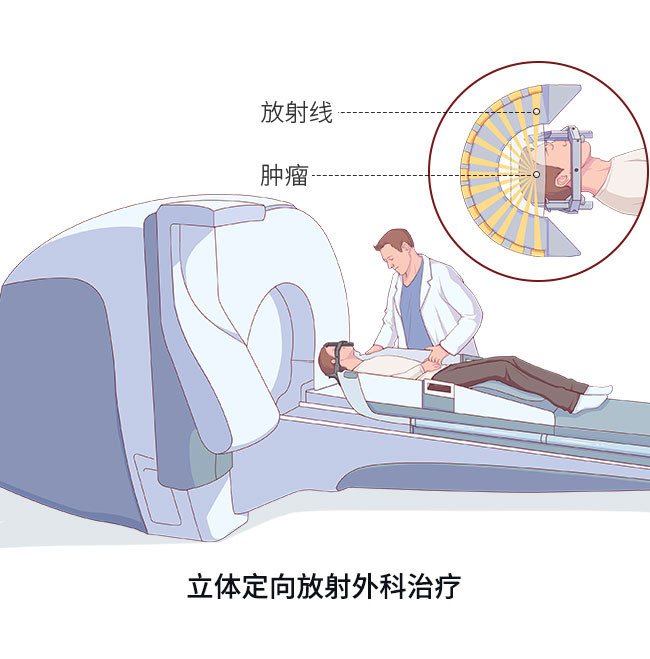
- Stereotactic Body Radiation Therapy (SBRT): uses advanced image-guided delivery of high doses of radiation to a specific area within the prostate gland, usually in a few days.
.
Related articles: