For the evaluation of kidney tumors, CT (computed tomography) scans are one of the most valuable adjuncts to imaging.
In a CT scan, the patient is brought into a cylindrical scanner, which is scanned to obtain information about the body’s organ tissues, which is recorded in a computer and converted into recognizable images.
Each image represents “a cross-section of the body” and provides a clear view of the internal anatomy of the body. The most common images are horizontal, and next to each image is another layer of the body, 5-10 mm apart from the previous layer.
It is no exaggeration to say that CT scanning has revolutionized modern medicine.
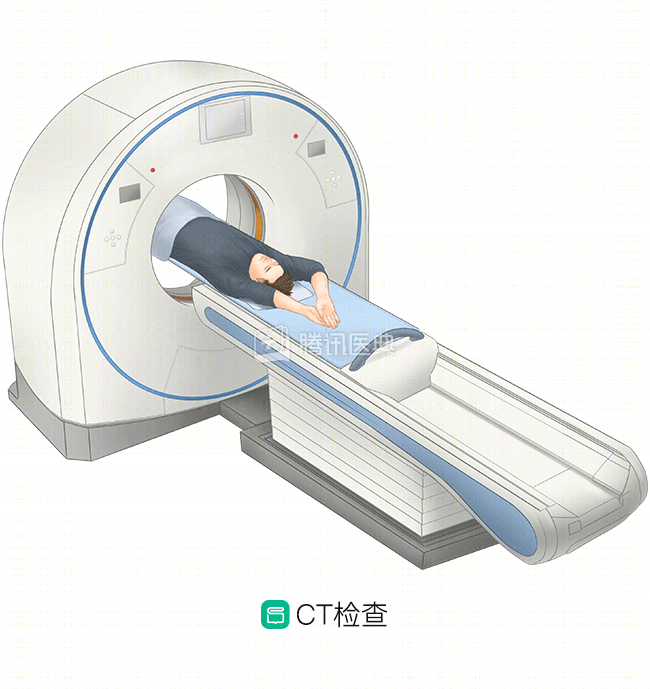
Why aren’t CT scans routinely performed to detect kidney cancer?
Because CT scans produce relatively high radiation exposure to the patient and are expensive, they cannot be performed indiscriminately. Usually only areas of suspicion are scanned; for example, in patients with kidney tumors, only abdominal and pelvic scans are usually done, and chest and cranial scans are used only if lung and brain metastases are suspected.
CT scans help determine the benignity of a tumor
Sometimes, a CT scan can initially tell us whether a tumor is benign or malignant, because benign tumors have some features. For example, a typical vascular smooth muscle lipoma, which has a fatty component mixed in with the tumor, will in most cases show a very low density dark area on CT.
In most cases, if the tumor is “lit up” after intravenous contrast, it is more likely to be a malignant one because it reflects the abundance of blood flow within the tumor.
If there is no fat in the renal mass, then the possibility of renal cancer must be considered and treated as such, because postoperative pathology confirms that 80% to 90% of these tumors are malignant.
CT scans help determine the nature and stage of the tumor
CT has an important role in the diagnosis of kidney cancer, as it can detect kidney cancer that has not yet caused symptoms, can accurately determine tumor density and can be performed on an outpatient basis, and can accurately perform the clinical staging of kidney cancer.
Kidney cancer appears on CT as a mass in the renal parenchyma, which may protrude from the renal parenchyma. The mass is round, round-like, or lobulated, with clear or faint borders, and is a soft tissue mass of heterogeneous density on plain scan. The CT value of normal renal parenchyma reached about 120 Hu after intravenous injection of enhancing contrast, and the CT value of tumor was also increased but significantly lower than that of normal renal parenchyma, which made the boundary of tumor and surrounding large blood vessels clearer and could further clarify the relationship between renal tumor and surrounding normal organs.
In addition, changes in the image before and after injection of enhanced contrast can help identify the nature of the renal tumor. If the CT value of the mass does not change after enhancement, it may be a cyst, and the diagnosis can be confirmed by combining the CT value of liquid density before and after contrast injection, whereas renal vascular smooth muscle lipoma is often negative because of the large amount of fat within it, and can be differentiated from renal cancer by CT.
Therefore, enhanced CT scans are important to identify the nature of the tumor and to assess the clinical stage of the malignancy.