What is radiation?
Radiation is the diffusion of energy outward in the form of electromagnetic waves or particles. The spread of energy in the form of electromagnetic waves is also known as electromagnetic radiation.
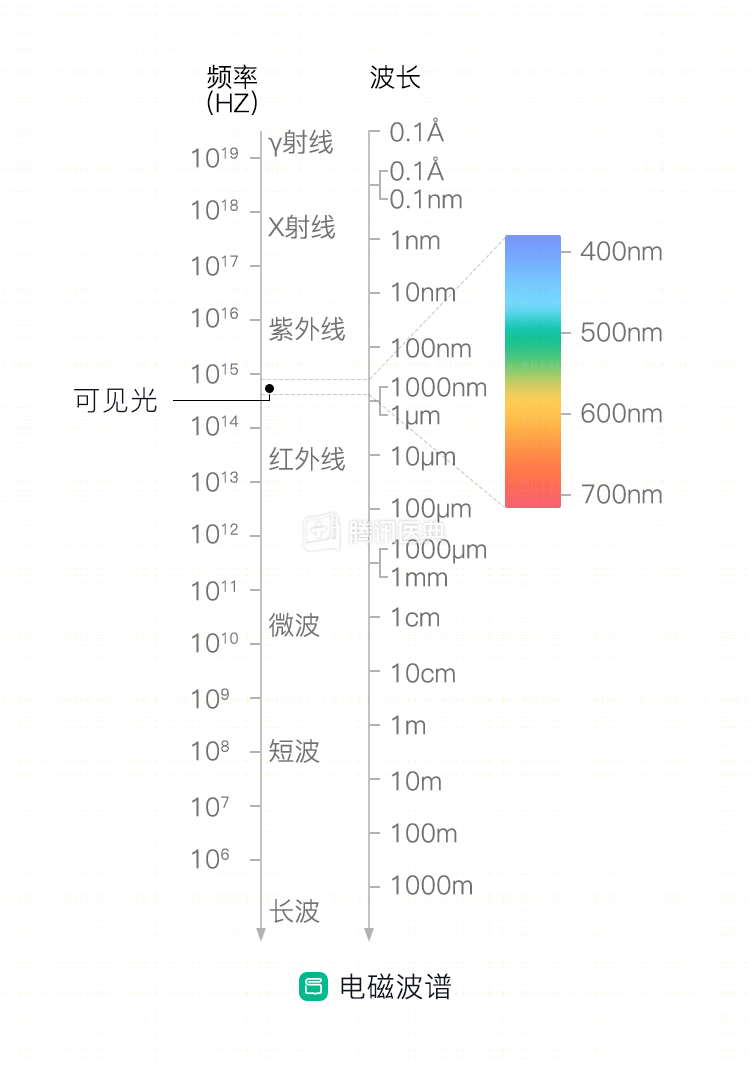
High-energy electromagnetic radiation is what produces ionization, called ionizing radiation, such as γ-rays, X-rays, and the shorter wavelengths of ultraviolet radiation. In addition, high-speed charged particles alpha particles, beta particles, protons can also cause ionization, also belong to ionizing radiation.
Low-energy radiation is not enough to cause ionization and is called non-ionizing radiation, which is emitted by cell phones, routers, and appliances.
Ionizing radiation may cause thyroid cancer
Ionizing radiation is a clear risk factor for thyroid cancer and is more harmful to children
The thyroid gland is sensitive to radiation. The radioactive material contains large amounts of radioactive elemental iodine, which is absorbed by the thyroid tissue and emits β and γ rays. Therefore, exposure to ionizing radiation (especially in childhood) is a relatively clear risk factor for thyroid cancer.
Current studies have shown that:
- Patients with tumors treated with x-ray radiotherapy have an increased risk of thyroid cancer.
- Patients who were exposed to high doses of radiation in childhood, or received radiotherapy, are at risk for thyroid cancer in the future. Children who receive radiation therapy to the neck for a tumor can plant the seeds of cancer if the thyroid is irradiated. The younger the irradiated person is, the higher the risk.
- Having received head and neck radiation therapy as a teenager (especially under age 15) increases the risk of thyroid cancer significantly over the following 5 to 30 years, and is associated with the dose and treatment of radiation therapy. Women are generally at higher risk than men. The time from radiation exposure to onset has been reported as short as 3.6 years and as long as 14 years, with a mean of 8.5 years.
- As for carcinogenic doses, cases of cancer have been reported in pediatric thyroids exposed to 0.06 Gy (radiotherapy radiation dose unit, Gorey in Chinese) radiation. It is generally accepted that the carcinogenic dose is about 0.065-12 Gy; the chance of carcinogenesis decreases when the dose is too high because of the massive damage to the thyroid tissue.
- A study from China showed that the risk of thyroid cancer was associated with occupational exposure to X-rays (e.g., radiation therapists).
- Another study of Swedish oral health care workers showed that the risk of papillary thyroid cancer in women was positively associated with X-ray exposure in oral health care workers with long-term exposure to low doses of X-rays.
.
For this reason, in children, physicians use radiography only when necessary and at controlled doses. When appropriate, non-radioactive tests such as ultrasound and magnetic resonance imaging are also used instead of X-rays. There are technologies available to reduce the radiation dose from screening instruments.
If your child has had radiation therapy, or has been exposed to a lot of radiation, he or she should be followed closely. Ultrasound is recommended every 6 months to monitor progress dynamically.
There is no evidence that doses of radiation from general medical imaging diagnostics increase the risk of thyroid cancer in adults, and there is no cause for undue concern.
While ionizing radiation is a clear carcinogen, thyroid cancer is a complex, multifactorial process, and statistics show that only 9% of the cases can be traced to radiation exposure.
What are some of the ionizing radiations that you can be exposed to in your life?
In addition to head and neck radiation therapy and radiological medical examinations of the head, neck, and chest and back (e.g., X-rays, CT, PET, radioisotope examinations), there are a number of life situations where exposure to ionizing radiation is possible, most of which have low radiation doses that are within safe limits.
- Long distance air travel (mainly from cosmic rays)
- Smoking
- Luminous watches
- Natural rays, mainly from soil, rocks and plants, etc. No natural rays have been reported to induce thyroid cancer
- Smoke detectors
- CRT monitors and CRT televisions, etc.
In addition, ionizing radiation can be produced by nuclear power plants or nuclear weapons. In addition to in vitro sources, internal contamination should not be ignored. Internal contamination can originate from the ingestion of radioactive material by inhalation, ingestion, or wound contamination. Chernobyl is a prime example.
These practices do not protect against radiation
Ionizing radiation is a risk factor for thyroid cancer, so all people, especially infants and adolescents, should minimize and avoid all types of radiation exposure and stay away from sources of radiation.
Radiation is colorless, odorless, and invisible, so even if you are “hit,” you may not be able to detect it. Therefore, you should recognize and remember the clover sign that says “radiation hazard” and teach your children to recognize it and stay away from it when they see it.

Does iodized salt and iodine tablets protect against radiation? No, they cannot.
The iodine content in iodized salt is relatively low and does not provide protection against radioactive iodine. In addition, iodine tablets do not block other radioactive substances other than radioactive iodine. Taking iodized salt or iodine tablets in excessive amounts without proper consideration and blindly can be harmful to the body.
Does wearing a scarf or a turtleneck help? No, it doesn’t.
Scarves and covering the neck do not block exogenous radiation from damaging the thyroid gland or blocking radioactive iodine from entering the body, so they do not provide any protection.
Non-ionizing radiation does not cause thyroid cancer
We are exposed to non-ionizing radiation in our lives, including cell phones, wifi, computers, microwave ovens, water heaters, refrigerators, induction cookers, electric blankets, hair dryers, printers, copiers, and even high speed trains, substations, TV broadcasts, power grid base stations, communication base stations, high voltage towers, etc. As of today, no studies have confirmed that non-ionizing radiation is harmful to humans, and they do not cause thyroid cancer.
Extended reading:
Chernobyl nuclear incident
In April 1986, an explosion and fire at the Chernobyl nuclear power plant in Ukraine exposed three countries and millions of people to large amounts of radiation from the radioisotopes I-131 and Cs-137 (cesium -137, which emits gamma rays).
It is estimated that the disaster produced 4.6X10Ci (the number of nuclei decaying per unit time in curies) of I-131, that the leak lasted for nearly 10 days, and that children and teenagers even drank water contaminated with radioactive iodine.
Six years after the event, reports of increased rates of thyroid cancer were published. The effects of nuclear contamination on people come from both “external exposure” and “internal exposure” from ingesting food and water contaminated with radioactive material, the latter being longer lasting and more severe.