Thyroid Cancer Treatment Guidelines
(2022 Edition)
I. Overview
Thyroid cancer is a malignant tumor originating from the follicular epithelium or parafollicular epithelium of the thyroid gland, and is the most common malignant tumor of the head and neck. In recent years, the incidence of thyroid cancer has been increasing rapidly worldwide. According to the data from the National Tumor Registry, the incidence of thyroid cancer in women in urban areas in China ranks 4th among all malignant tumors in women. I
Thyroid cancer in China will increase by 20 percent per year The rate of increase continues.
Thyroid cancer is subdivided into: papillary thyroid cancer based on differences in tumor origin and differentiation
Papillary Thyroid Carcinoma (PTC), Follicular Thyroid Carcinoma (FTC), Medullary Thyroid Carcinoma (MTC), and Thyroid Cancer (TCC). Medullary Thyroid Carcinoma (MTC), poorly differentiated thyroid carcinoma (PDTC), and undifferentiated thyroid cancer (ATC), of which PTC is the most common. PTC is the most common, accounting for approximately 20% of all thyroid cancers.
90 
, while PTC and FTC are collectively known as differentiated thyroid carcinoma (DTC). The different pathological types of thyroid carcinoma differ significantly in their pathogenesis, biological behavior, histological pattern, clinical manifestations, treatment, and prognosis. In general, DTC has a better prognosis; ATC is extremely malignant, with a median survival time of 7 to 10 months and a very poor prognosis.
II, Treatment Techniques and Applications
(A) Surveillance screening for high-risk populations.
Screening for thyroid tumors is not recommended for the general population. However, screening is recommended for people at high risk for thyroid cancer with a history of: 1. childhood head and neck radiation exposure or exposure to radioactive fallout; 2. history of systemic radiation therapy; 3. DTC, MTC or multiple endocrine neoplasia (MEN) type II, familial polyposis, certain Prior or family history of thyroid cancer syndromes (e.g., multiple malignancy syndrome, Carney’s syndrome, Werner’s syndrome, and Gardner’s syndrome).
(II) Clinical presentation.
style=”margin-left: 82pt”>
- Symptoms
Most patients with thyroid nodules have no clinical symptoms. They are usually detected on physical examination by palpation of the thyroid gland and ultrasound of the neck. Most thyroid nodules are benign, with malignant tumors accounting for about
5  ~ 10
~ 10  . The corresponding clinical manifestations may occur in combination with hyper- or hypothyroidism. Benign thyroid nodules or malignant tumors that increase in size can present with symptoms of compression, often compressing
The trachea and esophagus are displaced by the enlargement of benign thyroid nodules or malignant tumors. The tumor may also cause hoarseness, dysphagia, hemoptysis, and respiratory distress. MTC tumor cells secrete active substances such as calcitonin and 5-hydroxytryptamine, which can cause symptoms such as diarrhea, palpitations, and flushing.
style=”margin-left: 82pt”>
- Signs
The main signs of thyroid cancer are enlarged thyroid gland or nodules with irregular shape, fixed adhesions to surrounding tissues, gradually increasing in size, hard texture and unclear borders, which can be swallowed at first.
The nodule moves up and down with pharyngeal movements, but later it cannot move. If there is a metastasis to the cervical lymph nodes, the lymph nodes in the neck may be enlarged on palpation. Compression or invasion of sympathetic nerves can cause Horner syndrome.
style=”margin-left: 82pt”>
- Invasion and metastasis
- Local invasion: Thyroid cancer may locally invade the recurrent laryngeal nerve, trachea, esophagus, cricoid cartilage and larynx, and even invade into the prevertebral tissues and laterally into the internal jugular vein in the cervical sheath, the vagus nerve or the common carotid artery.
-
Regional lymph node metastasis: PTC is prone to early regional lymphatic metastasis, and most patients with PTC already have cervical lymphatic metastasis at the time of diagnosis. The lymphatic drainage is usually first to the paratracheal lymph nodes, then to the internal jugular vein lymph node chain (zone II-IV) and the posterior jugular lymph nodes.
The lymphatic drainage is usually first to the paratracheal lymph nodes, then to the internal jugular vein lymph node chain (zones II-IV) and the posterior cervical lymph nodes
(zone V), or down the paratracheal area to the superior mediastinum. zone VI is the most common site of metastasis, followed by zones III, IV, II, and V of the neck. Lymphatic metastases in region I are rare (<3  ). Rare lymph node metastases include retropharyngeal/parapharyngeal, intraparotid, and axillary.
-
Distant metastases: The lung is a common distant metastatic organ for thyroid cancer, and metastases to bone, liver, and intracranial sites can also occur in thyroid cancer. The risk of distant metastasis is higher in follicular thyroid cancer, poorly differentiated thyroid cancer, and undifferentiated cancer.
style=”margin-left: 48pt”>
- Common Complications
Most thyroid cancers are differentiated thyroid cancers that grow relatively slowly and serious complications are rare. It can cause hoarseness and hoarseness due to invasion of the recurrent laryngeal nerve, trachea and other surrounding organs.
Hypopnea, hemoptysis, etc. Persistent diarrhea in patients with MTC can lead to electrolyte disturbances, and rapid progression of ATC can lead to severe respiratory distress.
(iii) Laboratory tests.
style=”margin-left: 82pt”>
- Routine laboratory tests
The purpose is to understand the patient’s general condition and the need for appropriate therapeutic measures, including blood work, liver and kidney function, and thyroid function. For patients requiring invasive testing or surgical treatment, coagulation and viral markers are also required. For patients with DTC who require thyroid stimulating hormone (TSH) suppression below the lower limit of the normal reference range (especially in postmenopausal women), pre-treatment baseline bone mineralization status is assessed and monitored regularly, as appropriate for the medical condition; serum calcium/phosphorus, 24-hour calcium/phosphorus, and 24-hour calcium/phosphorus are available.
urinary calcium/phosphorus, and biochemical markers of bone turnover.
style=”margin-left: 82pt”>
- Thyroid hormone, thyroid autoantibody and tumor marker tests
peroxidaseantibodies (TPOAb) and TSH receptor antibodies (thyrotropin receptor antibody (TRAb). In patients with DTC, TgAb is a thyroglobulin
(thyroglobulin, Tg) is an important adjunctive test. Serum Tg levels are also influenced by TgAb levels, which, when present, can reduce the value of serum Tg detected by chemiluminescent immunoassays and affect the accuracy of monitoring the condition by Tg. The presence of TPOAb, a key enzyme in thyroid hormone synthesis, usually precedes thyroid dysfunction and is involved in the tissue destruction process in the development of Hashimoto’s thyroiditis and atrophic thyroiditis, causing clinical symptoms of hypothyroidism. A positive test result indicates that the patient has autoantibodies against the TSH receptor.
(3) Thyroid cancer tumor marker tests: including thyroglobulin
Basal Tg measurement (in TSH suppression) and post-TSH stimulation (TSH > 30 mU/L) are included. To more accurately reflect the condition, serum TSH levels can be increased to >30 mU/L by discontinuing L-T4 or applying recombinant human thyrotropin (rhTSH), followed by a Tg assay, i.e., post-TSH stimulation Tg assay. Tg levels measured after discontinuation of L-T4 and use of rhTSH were highly concordant. Patients with DTC stratified as intermediate or high risk of recurrence may be tested for post-TSH stimulation Tg if necessary. It should be noted that Tg should be tested at the same time as TgAb. If TgAb is elevated, it will not pass
Tg to determine the presence or absence of recurrence of DTC. If DTC cells are poorly differentiated, unable to synthesize and secrete Tg or produce defective Tg, follow-up with Tg is also not possible. For palpable cervical lymph nodes on examination and for suspected cervical lymph nodes detected by ultrasound, Tg levels in lymph node puncture needle eluate can increase the sensitivity of detecting lymph node metastases from DTC.
Patients with MTC are recommended to have both serum calcitonin and CEA measured prior to treatment and to have serum levels monitored periodically after treatment, with high suspicion of progression or recurrence if they exceed the normal range and remain elevated, especially if calcitonin is ≥150 pg/ml. Serum calcitonin and CEA testing are useful for the assessment of efficacy and monitoring of disease in patients with myeloid carcinoma.
(4) Relevant molecular tests for diagnosis: For thyroid nodules that cannot be determined as benign or malignant by fine-needle aspiration (FNA), molecular markers such as BRAF mutations, RAS mutations, RET/PTC rearrangements, etc. can be performed on the puncture specimen. This can help to improve the diagnosis rate. The detection of BRAF mutation status in preoperative puncture specimens also helps in the diagnosis and clinical prognosis of papillary thyroid cancer, allowing for individualized treatment plans.
(iv) Imaging.
style=”margin-left: 82pt”>
- Ultrasonography
-
Differentiation of benign and malignant nodules: Ultrasonography is simple and non-invasive, and is used to examine thyroid nodules with high specificity and sensitivity, and can clearly show the boundary, morphology, size and internal structure of nodules. It is recommended that all patients with thyroid nodules detected by clinical palpation or opportunistic screening should undergo high-resolution neck
Ultrasound of the neck. Ultrasound of the neck should determine the size, number, location, cystic solidity, shape, borders, calcification, blood supply, and relationship to surrounding tissues of the thyroid nodule, as well as assess the presence of abnormal lymph nodes in the neck and their location, size, morphology, blood flow, and structural features.
More specific signs of malignancy in thyroid nodules include microcalcifications, irregular margins, and an aspect ratio of >1. Other signs of malignancy include solid hypoechoic nodules, halo defects, extrathyroidal invasion, and abnormal ultrasound signs in the cervical lymph nodes. The main signs of abnormal cervical lymph nodes include microcalcifications, cystic changes, hyperechogenicity, and peripheral blood flow within the lymph nodes, in addition to rounded lymph nodes, irregular or blurred borders, uneven internal echogenicity, loss of lymphatic portals, or poorly delineated corticomedullary structures.
The ability to identify thyroid nodules and lymph nodes correlates with the clinical experience of the sonographer. The thyroid imaging reporting and data system (thyroid imaging reporting and
data system (TI-RADS), which assesses the malignancy of thyroid nodules, helps standardize thyroid ultrasound reporting and is recommended for use when available. However, the TI- RADS classification is not unified at present, and the criteria in Table 1 can be referred to. Ultrasonography and ultrasound elastography can be used as complementary tools, but are not recommended for routine application.
 Table 1 TI-RADS classification of thyroid nodules assessed by ultrasound
Category Evaluation Ultrasound presentation Risk of malignancy

style=”margin-left: 143pt”>
- Probably benign
Atypical benign nodule <5 
style=”margin-left: 143pt”>
- Suspicious malignancy
Signs of malignancy: substantial, hypoechoic or extremely

 < span style="font-size:14pt">hypoechoic, microcalcifications, faint borders/micro 5 ~
Lobulated, aspect ratio >1 85
 4a with 1 malignant sign 5 to
10 
4b with 2 malignant signs 10 to
50 
 4c with 3 to 4 malignant signs 50 to
85 
|
5 Malignancy More than 4 signs of malignancy, especially with micro
|
5 Malignancy More than 4 signs of malignancy, especially with micro
|
85  ~ ~
|
| |
|
|
< span style="font-family:Arial; font-size:14pt">calcifiers and microleafers
|
100 
|
|
6
|
6 |
“font-family:Arial; font-size:14pt”>malignant
|
Pathologically confirmed malignant lesions
|
none
|
- Ultrasound-guided fine-needle aspiration biopsy: Fine-needle aspiration biopsy (FNAB) uses a fine needle to puncture a thyroid nodule to obtain cellular components and diagnose the nature of the lesion by cytology. Ultrasound guidance can improve the success rate and diagnostic accuracy of retrieval, as well as the protection of important tissues during puncture and the presence of hematoma after puncture, and is recommended for further determination of benign and malignant thyroid nodules.
FNAB can be divided into negative-pressure and non-negative-pressure FNA, which can be used in clinical practice or in combination as appropriate. To improve the accuracy of FNAB, the following approaches can be used: repeat puncture sampling at multiple sites in the same nodule; sampling in parts of the nodule where ultrasound suggests suspicious signs; and sampling in the solid part of a cystic nodule, which can be accompanied by cyst fluid cytology.
1) Indications for ultrasound-guided FNAB (US-FNAB) of thyroid nodules: US-FNAB is recommended for thyroid nodules >1 cm in diameter with signs of malignancy on ultrasound assessment; US-FNAB is not recommended for thyroid nodules ≤1 cm in diameter. US-FNAB is not routinely recommended for thyroid nodules ≤1 cm in diameter, but may be considered if one of the following conditions exists: ultrasound suggestive of a malignant thyroid nodule; abnormal cervical lymph nodes on ultrasound; history of neck radiation exposure or radiation contamination exposure in childhood; family history of thyroid cancer or thyroid cancer syndrome; fluoro-18-fluorodeoxyglucose (18F-fluorodeoxyglucose, 18F- FDG) positive visualization; abnormally elevated serum calcitonin levels.
②Exclusionary indications for US-FNAB: a hot nodule with autonomic uptake confirmed by thyroid nuclide imaging; a nodule with purely cystic nature suggested by ultrasonography.
③Contraindications for US-FNAB of thyroid nodules: bleeding tendency, significantly prolonged bleeding and clotting times, significantly reduced prothrombin activity; potential damage to adjacent vital organs by puncture needle route; long-term anticoagulant use; frequent coughing, swallowing, etc. The puncture site must be infected and must be treated before puncture. Women who are menstruating are a relative contraindication.
- Ultrasound during follow-up: For patients who have not undergone surgical treatment, ultrasound follow-up should pay attention to whether the original nodule increases in size or shows the aforementioned signs of malignancy. Increase in nodule size
Refers to an increase in nodule size of 50 More than 20 or at least 2 diameter lines increased by more than 20
  (and more than 2 mm), when there is an indication for FNAB; for cystic nodules, the decision to perform FNAB should be based on the growth of the solid portion.
In the follow-up of postoperative thyroid patients, attention should be paid to the presence of solid occupancies in the operative bed area and to the presence of malignant cervical lymph nodes. Ultrasound is difficult to identify benign lesions and recurrent lesions in the operative bed, and the evaluation of cervical lymph nodes is the same as preoperatively. The postoperative indications for puncture of suspicious cervical lymph nodes: for lymph nodes with a minimum diameter greater than 8 mm and abnormalities suggested by ultrasound, cytology of fine needle puncture material + eluate for Tg levels can be considered; lymph nodes smaller than 8 mm can be followed up if they are not growing or threatening important surrounding structures.
style=”margin-left: 82pt”>
- CT
The normal thyroid gland has a high iodine content and is clearly different from the surrounding tissues in terms of density, which can be clearly visualized by CT scan, with even better contrast after contrast injection. CT scan is valuable to evaluate the extent of thyroid tumor, its relationship with important surrounding structures such as trachea, esophagus and carotid artery and the presence of lymph node metastasis. CT has the advantage of observing the central group of lymph nodes, the upper mediastinal group of lymph nodes and the posterior pharyngeal group of lymph nodes, and can visualize posterior thyroid lesions, larger lesions and their relationship with the surrounding structures, and can clearly show calcified foci of various shapes and sizes, but for nodules with a maximum diameter of ≤5 mm and However, it is not good for patients with diffuse lesions combined with nodules. For recurrent thyroid cancer, CT can provide information about the residual thyroid gland, assess the location of the lesion and its relationship with the surrounding tissues, evaluate the size and location of metastatic lymph nodes, and assess the presence of pulmonary metastases. If there is no contraindication to the use of iodine contrast, the
Enhanced scans should be routinely performed for thyroid lesions. Thin layer images can reveal smaller lesions and clearly show the relationship of the lesion to surrounding tissues and organs.
style=”margin-left: 82pt”>
- MRI
High tissue resolution allows for multi-directional, multi-parametric imaging to evaluate the extent of the lesion and its relationship to surrounding critical structures. Dynamic enhancement scanning, diffusion-weighted imaging, and other functional imaging allow assessment of nodule benignity and malignancy. The shortcomings include insensitivity to calcification, long examination time, and susceptibility to breathing and swallowing motions.
style=”margin-left: 82pt”>
- Positron emission tomography
Positron emission tomography-computed tomography (PET-CT) is not recommended as a routine test for the diagnosis of thyroid cancer. PET-CT is not recommended as a routine test for the diagnosis of thyroid cancer, but may be considered in the following cases: 1) patients with DTC who have elevated Tg (>10ng/ml) during follow-up and have a diagnostic whole body scan (Dx-WBS) with iodine-131 (131I) Finding metastases in those who are negative.
②Look for metastases on pre-MTC staging and post-operative calcitonin elevation; ③Pre-therapy staging and post-operative follow-up of undifferentiated thyroid cancer; ④Patients with invasive or metastatic DTC undergoing 131I pre-treatment evaluation (lesions exhibiting increased PET-CT metabolism have poor iodine uptake and are difficult to benefit from 131I treatment).
(v) Vocal fold function assessment.
style=”margin-left: 82pt”>
- Preoperative Assessment
Patients with thyroid cancer should be routinely evaluated for bilateral vocal fold activity preoperatively. Laryngoscopy (indirect laryngoscopy or fiberoptic laryngoscopy) can be performed, and if signs of reduced or even fixed vocal fold activity are present, tumor compression or invasion of the recurrent laryngeal nerve should be highly suspected, which helps to assess the condition and surgical risk. In addition, for patients with clinical or imaging examinations (e.g., cervical CT) that suspect tumor adjacent to or invading the trachea, preoperative fiberoptic bronchoscopy should be performed to assess whether the tumor invades the entire lumen of the trachea, as well as the extent of invasion and whether it interferes with anesthesia for tracheal intubation, according to which the appropriate surgical plan and anesthesia protocol can be developed.
style=”margin-left: 82pt”>
- Postoperative evaluation
If tumor invasion of the recurrent laryngeal nerve is detected intraoperatively, or if intraoperative recurrent laryngeal nerve monitoring indicates that the recurrent laryngeal nerve function is affected, laryngoscopic assessment of vocal fold motor recovery can be performed postoperatively. In patients who have undergone tracheostomy or tracheotomy because of bilateral invasion of the laryngeal nerve, laryngoscopic assessment of vocal fold motion can be performed to determine the timing of removal of the tracheal tube or tracheostomy repair.
(F) Pathological examination.
style=”margin-left: 82pt”>
- Cytopathological diagnosis guidelines for thyroid cancer
Cytopathologic Diagnostic Guidelines for Thyroid Cancer consists of sections on sampling, filming, and diagnostic reporting of thyroid FNA.
- Acquisition of FNA: There are two methods of acquiring thyroid FNA, palpation-guided FNA and ultrasound-guided FNA. The common needle diameter for thyroid FNA is 22 to 27 G.
Thicker puncture needles can be used for lesions with significant fibrosis and thinner puncture needles for those with an abundant blood supply. The number of needle insertions per nodule is 1 to 3, depending on the amount of needle aspiration. For cystic nodules there should be a targeted extraction of the solid zone.
- Production of FNA: Production techniques for cellular specimens include conventional smear, liquid-based production, and cell block sectioning. Conventional smear is the most commonly used filming method, in which the cells obtained from FNA are directly coated on a slide, dried, and fixed in alcohol. If the explanted material is cystic fluid, liquid-based filming will enrich the cells in the cystic fluid, resulting in a more abundant smear than a conventional smear. For rare types of thyroid tumors, such as medullary, undifferentiated, and metastatic carcinomas, it is best to add a cell block for immunocytochemical testing. The combination of conventional smears and liquid-based filming can improve diagnostic accuracy, and on-site evaluation of cellular specimens can be performed in units where available to improve the satisfactory rate of sampling.
-
Cytopathology Diagnostic Report: The cytopathology diagnostic report is based on the Bethesda System for Thyroid Cytopathology. The Bethesda System for Reporting Thyroid Cytopathology (TBSRTC) is a reporting system in which the cytologic diagnosis is classified into 6 levels: Level I, non-diagnostic/unsatisfactory; Level II, benign; Level III, atypical cells of unknown significance/follicular lesions of unknown significance; Level IV, follicular tumor/suspicious follicular tumor; grade V, suspicious malignant; grade VI, malignant (Table 2). Patients with different cytologic diagnostic grades are at different risk of malignancy and have different clinical management measures
(Table 3).
Table 2 TBSRTC Diagnostic Grading Criteria

Ⅰ Non-diagnostic/unsatisfactory cyst fluid specimen
Low amount of epithelial cells
Other (e.g., more blood obscuring cells, excessive cell dryness, etc.) Ⅱ Benign
Consistent with benign follicular nodules (including adenomatous nodules and glial nodules, etc.) Consistent with Hashimoto’s thyroiditis
Consistent with subacute thyroiditis
III Atypical cells of undetermined significance/ Follicular lesions of undetermined significance IV Follicular neoplasm/ Suspected follicular neoplasm
In case of eosinophilic tumor, please specify V Suspected malignant
Suspicious papillary thyroid carcinoma Suspicious medullary thyroid carcinoma Suspicious metastatic carcinoma
Suspicious lymphoma VI Malignant
Papillary thyroid carcinoma Hypofractionated thyroid carcinoma Medullary thyroid carcinoma Undifferentiated thyroid carcinoma Squamous cell carcinoma


Carcinoma of mixed composition (specify composition) Metastatic malignancy
Non-Hodgkin’s lymphoma other


 Table 3 Risk of malignancy and clinical management of TBSRTC by diagnostic classification
|
Diagnostic grading
|
Malignant risk
|
Clinical Processing
|
|
Not diagnosable/unsatisfactory
|
5  ~10 ~10  |
Repeat FNA (under ultrasound guidance)
|
|
Benign
|
0 to 3 
|
Following consultation<
|
|
Atypical cells of undetermined significance/
|
10
|
10
|
“font-family:Arial; font-size:14pt”>~30 
|
Repeat FNA/Molecular Testing/Surgery
|
|
Follicular lesions of undetermined significance
Follicular neoplasm/suspicious follicular
|
25
|
~40 
|
|
Molecular Testing/Surgery
|
< td>
Tumors
|
|
|
| < p>Suspicious Malignancy
|
50
|
~75 
|
< span style="font-family:Arial; font-size:14pt">Surgery
|
|
malignant
|
97
|
< td>
~99 
|
surgery
|

style=”margin-left: 82pt”>

 < span style="font-family:Arial; font-size:16pt">Histopathologic Diagnostic Guidelines for Thyroid Cancer
- Importance of standardized pathologic diagnosis: The biological behavior of different pathologic types of thyroid tumors varies widely, from benign thyroid adenomas, junctional thyroid tumors, to thyroid cancer. thyroid cancer, which can have a very important impact on the prognosis and treatment of patients. Lymph node metastasis in thyroid cancer is also important for patient management strategies. In order to better assist clinicians in developing accurate treatment plans, different levels of hospitals and different
It is important to standardize the histopathological diagnosis of thyroid gland so that the same pathologists can be on the same platform to communicate with each other about patient care.
-
Preoperative aspiration pathology diagnosis: Preoperative B-ultrasound localization of coarse needle aspiration allows collection of tumor tissue for histopathological diagnosis in the presence of an adequate specimen with typical morphology. If the specimen is sufficient and the morphology is typical, the diagnosis can be made clearly. Because of the obvious advantages of FNA in the diagnosis of thyroid cancer, histologic aspiration is generally not used as a routine test, but can be used as a supplement in some cases of suspicious rare types.
-
Intraoperative frozen pathological diagnosis: The purpose is to characterize thyroid nodules that have not been diagnosed preoperatively by puncture pathology or where the pathological diagnosis is unclear. The purpose is to characterize thyroid nodules that have not been diagnosed by preoperative puncture pathology or have an unclear pathological diagnosis, and to clarify the presence or absence of lymph node metastases to determine the type of thyroidectomy or extent of lymph node dissection.
Cautions for sending frozen pathology include.
1) Thyroid: ①Send the specimen to the pathology department as soon as possible after isolation without any fixative.
②If the tumor nodule is <5 mm, markings (e.g., incision or tied sutures) at the tumor may be considered.
③The diagnosis of follicular thyroid tumors, including junctional tumors and follicular carcinoma, requires postoperative observation of the specimen as a whole and adequate sampling to confirm the diagnosis. The diagnosis of thyroid follicular tumors, including junctional tumors and follicular carcinoma, requires postoperative observation of the specimen as a whole and adequate sampling to confirm the diagnosis. ④ Frozen pathology may not be compatible with paraffin pathology and needs to be communicated to the patient and family as informed consent and signed before surgery or freezing.
The accuracy of the determination to avoid missed diagnosis. ②Send the specimen as soon as possible after isolation, keep it fresh, put it in a transparent plastic pouch or specimen box, seal it well, and send it to the pathology department. ③Small specimens should not be left outside the body for too long to avoid drying out and hardening, resulting in inability to freeze filming or accurate observation under the microscope. ④If sand granules are found in the lymph nodes under pathology microscope, they should be
consecutive sections to look for evidence of metastasis. It is not uncommon for ⑤ lymph nodes to be negative for intraoperative freezing and for postoperative paraffin deep cuts to show metastatic cancer, which needs to be communicated to the patient and family as informed consent and signed before surgery or freezing.
style=”margin-left: 106pt”>
- Postoperative paraffin pathology diagnosis.
style=”margin-left: 89pt”>
- Cautions for sampling: ① Make parallel sections at 2-3 mm intervals perpendicular to the long axis of the specimen.
②Check carefully, paying attention to microscopic carcinoma or nodules; ③For multiple lesions, if malignancy is suspected, each lesion should be sampled; ④In cases of suspected encapsulated vascular infiltrative or microscopic infiltrative follicular carcinoma, the entire envelope of the tumor nodule should be sampled; ⑤Pay attention to the relationship between the mass and the peritoneum; ⑥Pay attention to the relationship between the mass and the peritoneum In the case of a suspected encapsulated vascular infiltrate or microinfiltrating follicular carcinoma, all of the tumor nodule envelope should be sampled.
-
Diagnostic guidelines: i.e., what should be included in the pathology report: (1) location of the tumor, number and size of lesions; (2) type of pathology, subtypes, fibrosis, and calcification. (ii) pathological type, subtype, fibrosis and calcification; (iii) choroidal and nerve invasion (small nerve invasion near the perineum or laryngeal nerve branches); (iv) involvement of the thyroid perineum; (v) invasion of the strap muscles; (vi) presence of other lesions in the surrounding thyroid such as chronic lymphocytic thyroiditis, nodular goiter, adenoma-like changes, etc.
(vii) lymph node metastasis + extra-peritoneal invasion of lymph nodes; (viii) pTNM staging (AJCC 8th edition); and (ix) immunohistochemistry as necessary.
(vii) Differential diagnosis.
-
Thyroid adenoma: This disease is mostly seen in young people aged 20-30 years old, mostly single nodule with clear border, smooth surface, slow growth It is often a single nodule with clear borders, smooth surface and slow growth.
- Nodular goiter: Most often seen in women over middle age, the course of the disease can be decades. It can last for decades. Multiple nodules of varying sizes in both lobes of the gland are common and may be cystic in nature. A large mass may compress the trachea and displace the trachea, and the patient may have difficulty breathing. The probability of cancer is low, but it can be seen in older patients with larger masses and a longer course of disease, which manifests as a marked acceleration of mass enlargement.
-
Subacute thyroiditis: may be caused by a viral infection and may last for several weeks or months. It may be accompanied by mild fever, localized pain, which is obvious when swallowing and may radiate to the ear, diffuse enlargement of the thyroid gland, or asymmetrical nodular swelling, and pressure pain in the swelling. It is a self-limiting disease that resolves spontaneously over a period of several weeks. A small number of patients require surgery to rule out thyroid cancer.
-
Chronic lymphocytic thyroiditis (Hashimoto’s thyroiditis): a chronic progressive bilateral It is sometimes indistinguishable from thyroid cancer and is usually asymptomatic. The disease is mostly treated conservatively and is more sensitive to adrenocorticosteroids, sometimes requiring surgery or a small amount of x-ray radiotherapy.
-
Fibrotic thyroiditis: The thyroid gland is generally enlarged and hard as wood, but often retains its original The shape of the thyroid gland is often maintained. The thyroid gland is often fixed to the surrounding tissues and produces symptoms of compression, which is often difficult to distinguish from cancer. Surgical exploration and removal of the isthmus is possible when tracheal compression symptoms are present.
III.
(A) Histologic classification of thyroid carcinoma.
According to the WHO definition, the histologic classification of thyroid tumors is mainly divided into primary epithelial tumors, primary non-epithelial tumors, and secondary tumors. The classification is shown in Table 4.
Table 4 WHO Histologic Classification of Thyroid Tumors
|
I. Primary epithelial tumors
|
| |
A. Follicular epithelial neoplasm
|
| |
Benign: follicular adenoma.
Junctional: Follicular tumors of undetermined malignant potential, highly differentiated tumors of undetermined malignant potential
Junctional: follicular tumors of undetermined malignant potential, highly differentiated tumors of undetermined malignant potential, non-invasive follicular tumors with papillary nuclei, and hyaline metaplasia.
FTC, eosinophilic carcinoma; ②PDTC; ③ATC.
|
|
B. MTC
|
|
C. Mixed follicular epithelial and parafollicular cell tumors
|
|
II. Primary non-epithelial tumors
|
| |
A. Paragangliomas and mesenchymal tumors
|
/tr>
| |
B. Tumors of the lymphopoietic system
|
| |
< span style="font-family:Arial; font-size:16pt">C. Germ cell tumors
|
| |
D. Other
|
|
III. Secondary tumors
|
The thyroid has two distinct endocrine cells with different functions. About 95 of thyroid tumors originate from the thyroid follicular epithelium and the rest mostly from the thyroid follicular parafollicular cells. Mixed follicular epithelial and parafollicular cell tumors are rare, and whether tumor cells containing both follicular epithelial and parafollicular cell sources are of tissue origin as a
Independent thyroid tumors are controversial. Thyroid lymphoma is the most common tumor of non-epithelial origin of the thyroid gland and can occur independently of the thyroid gland or as part of a systemic lymphatic system tumor. Thyroid sarcomas and secondary thyroid malignancies are less common in clinical practice.
style=”margin-left: 82pt”>
- PTC and its subtypes
PTC is the most common malignant epithelial tumor of follicular epithelial origin with characteristic PTC nuclear features. The classic PTC has two basic morphological features: papillary and infiltrative/PTC nuclear features, with rare nuclear schwannomas and more common sandy calcifications, mainly in the lymphatic vessels or interstitium. The literature reports 20 to 40
to 40  squamous metaplasia is seen in 20
![]() to 40
to 40  and is predominantly follicular in growth pattern, with a classic The karyotype of PTCs.
PTC is divided into 14 subtypes, including micro PTC, encapsulated, follicular, diffuse sclerosing, sieve-mulberry-like, hypercellular, columnar, bootstrap, solid/beam-like, eosinophilic, worsinoma-like, clear cell type, spindle cell type, and papillary carcinoma with fibromatosis/fasciitis-like interstitium. The hypercellular, spike, columnar cell, and solid types are generally considered to be invasive PTCs with relatively complex genotypes and a worse prognosis than the classic type.
-
Diffuse sclerosing type: Most often seen in young women with diffuse bilateral or unilateral enlarged thyroid lobes with autoimmune involvement. The serologic features of thyroiditis. Morphologic features commonly include significant sclerosis, numerous gravelly bodies, a background of chronic lymphocytic thyroiditis, nests of tumor cells often solid with extensive squamous metaplasia, and easy invasion of the intrathyroidal lymph nodes.
The ducts and extra-thyroidal tissues are easily invaded. Molecular detection of RET rearrangements is common, while BARF mutations are rare. About 10 to 15
to 15  Distant metastases occur in about 10
![]() to 15
to 15  High-cell subtype: ≥30
  The cancer cells are more than 2-3 times as tall as they are wide, with abundant eosinophilic cytoplasm and typical PTC karyotype features, often in a single row or parallel arrangement. It is more aggressive than classic type and more likely to have extrathyroidal invasion and distant metastasis. Most cases have a BRAF mutation (60
 to 95
to 95  ).
).
Columnar cell subtype: This rare subtype consists of pseudostratified columnar cells and often lacks the typical PTC nuclear features. Occasionally, it may show subnuclear vacuoles and hyaline cytoplasm, similar to endometrial cancer or intestinal adenocarcinoma. In some cases, immunohistochemical staining is positive for CDX2 and TTF1 is positive to varying degrees. The prognosis may be related to tumor size and extra-glandular spread, but not to the type itself.
Sieve-mulberry-like subtype: This subtype is considered a distinct subtype of thyroid cancer that occurs almost It occurs almost exclusively in women, is usually associated with familial adenomatous polyposis, has germline mutations in the APC gene, and can also occur in sporadic cases. Sporadic cases are usually solitary and have an excellent prognosis, requiring only lobectomy. Familial cases often have multiple foci and are often associated with colonic polyposis and require APC genetic testing. Tumors are usually encapsulated lesions with a mixture of sieve, follicular, papillary, beam-like, solid, and mulberry-like structures. Envelope/vascular invasion is common. The lumina of sieve-like structures are large and unrounded and lack intraluminal glia. The nucleus is not particularly clear. Immunostaining is often mottled positive for TTF1. TG is focal or weakly positive. β-linked protein shows characteristic nuclear positivity. Mulberry-like structures expressing broad spectrum CK.
but does not express p63, TG, TTF1, ER, β-linked proteins, and CK19.
-
Shoe peg type: a rare subtype of PTC with aggressive behavior and relatively poor prognosis. Diagnosis requires that at least 30% of the tumor cells show bootstrap micropapillary features. The presence of a small number of bootstrap micropapillary structures is also significant and should be noted in the pathology report. Compared to classic PTC, bootstrap PTC often shows extra-glandular spread, lymph node metastases or distant metastases, and responds poorly to radioiodine therapy, resulting in increased mortality. Molecular detection of BARF mutations is predominant.
style=”margin-left: 48pt”>
- FTC and its subtypes
FTC is a malignant tumor of follicular cell origin of the thyroid gland that lacks the karyotypic features of papillary carcinoma, usually with an envelope and an infiltrative growth pattern. Incidence 6 to 10
to 10  . Subtypes include.
(1) follicular carcinoma, microinfiltrative (envelope invasion only); (2) follicular carcinoma, intraenvelope vascular infiltration; (3) follicular carcinoma, extensive infiltration. lymph node metastasis is less common in FTC than in PTC and is more likely to occur distantly. RET fusions are uncommon.
Hürthle cell tumors are a group of eosinophilic tumors with 75 plus eosinophils. follicular tumors. They usually have an envelope, are also of follicular cell origin, and may be classified as FTC or as a separate type, but are less common. The diagnostic criteria for benign malignancy are the same as for FTC. The incidence of BRAF mutations, RET fusions and RAS mutations is low in eosinophilic carcinomas.
Acid-cell adenoma) and Hürthle cell carcinoma (eosinophilic carcinoma). 3.
MTC is a malignant tumor of parafollicular cell (follicular-parafollicular cell) origin in the thyroid. Incidence 2 to 3
to 3  , divided into sporadic and familial, with sporadic accounting for about 70 percent of all myeloid carcinomas
 , which occurs in the age group of 50-60 years, and familially at a younger age, accounting for about 30
 . kiraspecialist.com/wp-content/uploads/2022/06/062222_1247_202252.png” alt=””/>, is an autosomal dominant disease. men II, including IIA, IIB and familial myeloid carcinoma, is currently considered to be the MEN IIA disease spectrum.
Serum calcitonin levels correlate with tumor load, but also <1  of cases are non-secretory. Serum CEA screening is an important indicator in the follow-up of myeloid carcinoma, especially when calcitonin levels are low.
The microscopic morphology of MTC is diverse and can resemble any thyroid malignancy, with typical structures being solid, lobulated, tubular, or insular. The tumor cells are highly variable in size and can be round, polygonal, plasma cell-like, or spindle-shaped. The nuclei are low-moderate heterogeneous, with relatively low nuclear fission activity.
Subtypes: different types based on cellular and structural features, papillary/pseudopapillary, follicular (tubular/glandular), spindle cell, giant cell, clear cell, eosinophilic, melanotic, squamous subtype, paraganglioma-like, angiosarcoma-like, small cell, intraepithelial medullary thyroid carcinoma etc.
Immunohistochemical indicators: may express calcitonin, neuroendocrine markers (CD56, synaptophysin, chromogranin A), TTF-1, PAX8, and CEA; does not express TG.
4.
PDTC are malignant tumors that show limited follicular cell differentiation and are intermediate in morphology and biological behavior between DTC and ATC. The main histological patterns are insular, beam-like, and solid
PTCs can be accompanied by a variable proportion of differentiated carcinomatous components, with easy nuclear schizophrenia and extensive necrosis leading to a hemangioepithelioma-like accumulation of residual tumor cells around blood vessels. PDTC can be accompanied by different proportions of differentiated carcinoma components, but some studies have shown that even 10 of PDTC components are present The presence of 10
![]() PDTC components is associated with aggressive behavior and poor prognosis. The Ki-67 index of PDTC is usually at 10
PDTC components is associated with aggressive behavior and poor prognosis. The Ki-67 index of PDTC is usually at 10
to 30
, usually positive for BCL2, CyclinD1, and focally positive for P53, P21, and P27. The differential diagnosis includes mainly MTC, parathyroid carcinoma, and carcinoma metastatic to the thyroid.
ATC is a highly aggressive malignancy composed of undifferentiated thyroid follicular cells. The typical symptom is a rapidly enlarging, hard, fixed neck mass with extensive invasion of surrounding tissue, approximately 30 to 40
to 40  patients have distant metastases such as lung, bone and brain. The main histologic patterns are sarcomatoid, tumor giant cell-like, and epithelioid, which may occur alone or in different proportions, or with focal squamous differentiation or heterologous differentiation; usually accompanied by necrosis, multiple nuclear schwannomas, and vascular invasion. Immunohistochemistry: TTF1 and TG are usually negative, PAX8 is positive in approximately half of cases, CK can be positive in areas of epithelioid differentiation, and LCA, myogenic markers, and melanoma markers are mainly used for exclusionary diagnosis. Differential diagnosis: other types of highly malignant tumors such as myogenic sarcoma, malignant melanoma, and large cell lymphoma. Highly malignant primary thyroid tumors of nonfollicular and parafollicular cell origin are also generally classified in the ATC category, such as squamous cell carcinoma, sarcoma, and mucinous epidermoid carcinoma, among others.
(B) The staging of thyroid cancer.
style=”margin-left: 82pt”>
- AJCC Staging
Clinical staging can be established based on preoperative evaluation (history, physical examination, ancillary tests)
(cTNM). Pathological staging (pTNM) was obtained based on postoperative pathology. The specific staging criteria are shown in Tables 5 and 6 (AJCC 8th edition).
Table 5 TNM staging definitions
|
T grading
|
>
T grading scale
|
|
For papillary thyroid carcinoma, follicular carcinoma, hypofractionated carcinoma, Hürthle cell carcinoma, and undifferentiated
for papillary thyroid cancer, follicular carcinoma, hypofractionated carcinoma, Hürthle cell carcinoma and undifferentiated
|
< td style="border-top: none; border-left: solid black 0.5pt; border-bottom: solid black 0.5pt; border-right: solid black 0.5pt">
TX
Primary tumors cannot be evaluated
|
>
|
T0
|
No evidence of tumor
|
|
T1
|
Tumor confined to the thyroid gland, maximum diameter ≤ 2cm
|
|
T1a
|
< td style="border-top: none; border-left: none; border-bottom: solid black 0.5pt; border-right: solid black 0.5pt">
< span style="font-family:Arial; font-size:16pt">Tumor maximum diameter ≤1cm
|
T1b
|
Tumor maximum diameter >1cm, ≤2cm
|
|
T2
|
Tumor maximum diameter >2cm, ≤4cm
|
|
T3
|
Tumor >4cm and confined to within the thyroid gland, or largely invades the extrathyroidal band-like muscle
|
|
T3a
|
tumor >4cm and confined to the thyroid gland
|
|
T3b
|
Large invasion of the extrathyroidal band, regardless of tumor size (band includes: sternocleidomastoid muscle, sternocleidomastoid muscle, thyroglossus muscle, scapulocleidomastoid muscle)
span>
|
|
T4
|
Largely invasive outside the extra-thyroidal band
|
|
T4a
|
“border-top: none; border-left: none; border-bottom: solid black 0.5pt; border-right: solid black 0.5pt”>
T4a |
=”font-family:Arial; font-size:16pt”>invading larynx, trachea, esophagus, laryngeal denervation and subcutaneous soft tissues
|
T4b
|
< p style="margin-left: 5pt">invading the anterior vertebral fascia, or wrapping around the carotid artery, mediastinal vessels
|
|
For medullary thyroid carcinoma
|
|
TX
|
Primary tumors cannot be evaluated
|
|
T0
|
No evidence of tumor
|
|
T1
|
Tumor confined to the thyroid gland, maximum diameter ≤ 2cm
|
< colgroup>
|
T1a
|
Tumor maximum diameter ≤1cm
|
|
T1b
|
Maximum tumor diameter >1cm, ≤2cm
|
|
T2
|
tumor maximum diameter >2cm, ≤4cm
|
|
T3< /p> |
Tumor >4cm and confined to the thyroid gland, or largely invading the extra-thyroidal band
|
|
T3a
|
Tumor >4cm and confined to the thyroid gland
|
|
T3b
|
Grand invasion of extra-thyroidal band-like muscle, regardless of tumor size
|
|
T4
|
locally advanced
|
|
T4a
|
< td style="border-top: none; border-left: none; border-bottom: solid black 0.5pt; border-right: solid black 0.5pt">
< span style="font-family:Arial; font-size:16pt">Moderately progressive, tumor of any size that invades the peripheral cervical apparatus outside the thyroid gland
Organs and soft tissues such as larynx, trachea, esophagus, laryngeal denervation and subcutaneous soft tissues
< tr style="height: 55px">
T4b
|
Severe progression of A tumor of any size that invades the anterior fascia, or encapsulates the cervical
Arteries, mediastinal vessels
|
|
N Grading
|
N grading scale (for all thyroid cancers)
> |
|
NX
|
Regional lymph node metastasis could not be assessed
|
|
N0
|
No evidence of lymph node metastasis
|
|
N1
|
Regional lymph node metastasis
|
|
N1a
|
< p style="margin-left: 5pt">Transfer to regions VI and VII (including paratracheal, pre-tracheal, prelaryngeal/Delphian
or upper mediastinum) lymph nodes, either unilaterally or bilaterally
|
. “height: 55px”>
|
N1b
|
Unilateral, bilateral or contralateral lymph node metastasis in the lateral cervical region (including I, II.
III, IV or V) or retropharyngeal lymph node metastases
|
|
M grading
|
M-grading criteria (for all thyroid cancers)
|
|
M0
|
No distant shift
|
|
M1
|
with distant metastases
|
Table 6 TNM staging of thyroid cancer
|
Papillary or follicular carcinoma (differentiated)
|
|
age <55 years
|
| |
T
|
N
|
M
|
|
Ⅰ
Issue
|
any
|
any
|
0
|
|
II
Issue
|
any
|
any
|
1
|
|
Age ≥ 55 years
|
|
Ⅰ
Issue
|
1
|
0/x
|
0
|
| |
2
|
0/x
|
0
|
|
II
Issue
|
1 to 2
|
1
|
0
|
| |
3a~3b
< /td>
|
any
|
0
|
|
III
Issue
|
4a
|
any
|
0
|
|
IVA
Issue
|
4b
|
any
|
0
|
|
IVB
Issue
|
any
|
any
|
1
|
|
Medullary carcinoma (all age groups)
|
|
Ⅰ
Issue
|
1
|
0
|
0
|
|
II
Issue
|
2 to 3
|
0
|
0
|
|
III
Issue
|
1 to 3
|
1a
|
0
|
|
IVA
|
< span style="font-family:Arial; font-size:14pt">4a
|
any
|
< span style="font-family:Arial; font-size:14pt">0
|
| |
1 to 3< /span>
|
1b
|
0
|
|
IVB
Issue
|
4b
|
any
|
0
|
|
IVC
Issue
|
any
|
any
|
1
|
|
Undifferentiated carcinoma (all age groups)
|
|
IVA
Issue
|
1 to 3a
|
0/x
|
0
|
|
IVB period
|
1 to 3a
|
1
|
0
|
| |
3b~4
|
any
|
0
|
|
IVC
Issue
|
any
|
any
|
1
|
style=”margin-left: 82pt”>
- Prognostic correlates of thyroid cancer
Several characteristics of the tumor will affect the prognosis of the tumor. Some of the more important factors include tissue type, primary tumor size, extraglandular invasion, vascular infiltration, BRAF mutations, and distant metastases.
-
Tissue type: Survival rates for patients with PTC are generally good, but tumor mortality varies widely among specific subtypes. Among them, hypercellular, shoe-peg, columnar cell, and solid types are the aggressive subtypes.
FTC is typically characterized as an isolated tumor with an envelope and is more aggressive than PTC. FTC usually has microfollicular architecture and is diagnosed as cancer because of infiltration of follicular cells into the envelope or blood vessels, and the prognosis is worse for those with infiltration into blood vessels than for those with infiltration into the envelope. Highly invasive FTCs are uncommon and are often seen to invade surrounding tissues and blood vessels intraoperatively. Approximately 80 of highly invasive FTCs metastasize distantly, resulting in approximately 20 of FTCs. = “https://www.kiraspecialist.com/wp-content/uploads/2022/06/062222_1247_202260.png” alt=””/> of patients die within a few years of diagnosis. Poor prognosis is strongly associated with older age, higher tumor stage, and larger tumor size at the time of diagnosis.
PTC has a similar prognosis to FTC, if the tumor is confined to the thyroid, is less than 1 cm in diameter, or is minimally metastatic. Both have a better prognosis. The prognosis is poor if distant metastases and high invasiveness are present.
-
Primary tumor size: papillary carcinoma <1 cm, called microscopic carcinoma, is usually detected on physical examination and has an almost zero lethality rate and a low risk of recurrence. However, microscopic cancer is not always a tumor with a low risk of recurrence. For example, about 20 of multifocal microscopic cancers present with cervical lymph node metastases and are also at risk for distant metastases.
The size of the primary tumor is associated with prognosis and mortality. It has been shown that DTC with primary tumors <1.5 cm in maximum diameter are less likely to develop distant metastases, while larger tumors (>1.5 cm) have a recurrence rate of approximately 33% within 30 years . The 30-year mortality rate for DTC with a maximum diameter <1.5 cm was 0.4
 , while for larger tumors (>1.5 cm) it was 7. 1.5 cm) was 7
 .
.
-
Local invasion: approximately 10 of DTCs invade surrounding organs/structures, and the local recurrence rate is approximately twice that of non-invasive tumors. Patients with invasive cancer also have elevated mortality, with approximately 1/3 of patients dying.
-
Lymph node metastasis: The role of regional lymphatic metastasis on prognosis is controversial. There is evidence to support that regional lymph node metastases do not affect recurrence and survival. There is also evidence to support that lymph node metastasis is a high risk factor for local recurrence and cancer-related mortality. There is a correlation between lymphatic metastases and distant metastases, especially those with bilateral cervical lymph node metastases, or extraperitoneal invasion of lymph nodes, or mediastinal lymph node metastases.
-
Distant metastasis: In DTC, distant metastasis is the leading cause of death. About 10 of PTC, 25
 of FTC will develop distant metastases. Distant metastases in eosinophilic glands
Distant metastases are found more frequently in patients with eosinophilic gland cancer and in patients >40 years of age (35![>). “https://www.kiraspecialist.com/wp-content/uploads/2022/06/062222_1247_202268.png” alt=””/>). The most common location of distant metastases is the lung, followed by bone, liver, and brain. Distant metastases make the prognosis worse.</p>
<ul> style=”margin-left: 82pt”></p>
<li>
<div style=]() Risk stratification for recurrence of DTC
Risk stratification for recurrence of DTC
The overall prognosis of DTC is good and the mortality rate is relatively low. However, the rate of disease recurrence varies widely depending on the clinicopathologic features. Patients were classified into 3 strata of risk of recurrence based on intraoperative pathological features such as residual lesions, tumor size and number, pathological subtypes, envelope vascular invasion, lymph node metastasis and extravasation, postoperative Tg levels after TSH stimulation (sTg), and molecular pathological features (Table 7). Postoperative adjuvant therapy is strongly recommended for DTC in the high-risk group; adjuvant therapy can be considered in the intermediate-risk group; and 131I thyroid clearance is generally not available in the low-risk group, but endocrine therapy should be considered.
Table 7 DTC recurrence risk stratification clinicopathologic features
|
Low risk (low risk of recurrence)
|
| |
Papillary thyroid carcinoma (meeting all of the following). No regional lymph nodes or distant metastases
Massive tumor without residual tumor without extravasation
Histologic subtype with high non-malignancy
No iodine uptake foci outside the thyroid bed without vascular invasion on first postoperative whole-body nuclear scan
cN0 or less than 5 small lymph node metastases (<0.2cm in diameter)
Follicular subtype PTC, located within the thyroid gland, not breaching the envelope; papillary thyroid micro
|
Carcinoma, located in the thyroid, unifocal or multifocal, may have BRAF V600E mutation
FTC, located within the thyroid, well differentiated, with perithyroid invasion and no vascular invasion, or with only microvascular invasion Intermediate risk (medium risk of recurrence) meets any 1 of the following.
Microinvasion of the peri-thyroidal tissue
first postoperative nuclear imaging with iodine uptake of the neck lesion
Highly malignant subtype (hypercellular, columnar, diffuse sclerosis, etc.) with vascular invasion
cN1 or pN1 with more than 5 lymph node metastases and metastases less than 3 cm in diameter
Multifocal papillary microcarcinoma of the thyroid with or without BRAF V600E mutation at high risk (high risk of recurrence) for any 1 of the following.
Significant invasion of soft tissue tumor remnants around the thyroid
distant metastases
High postoperative serum Tg suggesting distant metastasis
pN1 and metastatic lymph node metastases ≥ 3 cm in diameter
Follicular thyroid cancer with extensive vascular invasion (>4 vascular invasion)
IV. Surgical treatment and common complications of thyroid cancer
(a) Surgical treatment of thyroid cancer.
Principles of treatment
The treatment of DTC is mainly surgical, supplemented by postoperative endocrine therapy, radionuclide therapy, and in some cases, radiation therapy, and targeted therapy. MTC is mainly surgical treatment, but in some cases, it should be supplemented by radiation therapy, targeted therapy. In the treatment of undifferentiated cancer, a few patients have the opportunity to undergo surgery, and some patients may have some effect with radiotherapy and chemotherapy, but the overall prognosis is very poor and survival time is short. It is important to note that individualization of tumor treatment is important, and each patient’s condition and complaints are different, so there is some flexibility in clinical diagnosis and treatment.
style=”margin-left: 82pt”>
- Surgical treatment of differentiated thyroid cancer
-
Management of primary focus: Tumor with T grade T1 or T2 is mostly confined to one side of the For some patients with high risk factors, resection of the affected gland lobe and isthmus is recommended. For some patients with high-risk factors, total thyroidectomy is also possible. These risk factors include multifocal cancer, lymph node metastases, distant metastases, family history, and early childhood exposure to ionizing radiation. Total thyroidectomy is also indicated in some cases where postoperative nuclear therapy is considered necessary. For tumors located in the isthmus, extended isthmus resection is indicated for smaller tumors, and total thyroidectomy is considered for larger tumors or those with lymph node metastases.
A subset of T1 lesions are low-risk microscopic papillary carcinomas. Because of its relatively slow progression and low lethality, conservative therapy, i.e., active surveillance and close follow-up, can be considered in addition to surgical treatment. Low-risk papillary carcinoma that can be closely monitored generally has the following characteristics: (1) the primary tumor is a single lesion, (2) the maximum diameter of the primary lesion is <1 cm, (3) the location of the primary lesion is located in the central part of the thyroid gland rather than immediately adjacent to the thyroid peritoneum or trachea, and (4) no regional lymph node metastasis has been evaluated after assessment. In addition to the above conditions, the patient should also be considered for the presence of high doses of electricity during early childhood.
History of exposure to ionizing radiation, family history of thyroid cancer, and the presence of coexisting hyperthyroidism are specific factors that should be considered. If closely monitored, re-evaluation is generally required every 6 months. If the evaluation reveals progression of the primary tumor (e.g., 2-3 mm increase in diameter, new tumor lesions, or clinically suspicious metastatic regional lymph nodes), discontinuation of conservative treatment should be considered.
therapeutic measures should be discontinued and surgical treatment should be performed.
T3 lesions with large tumors or those that have invaded the extraperitoneal muscles of the thyroid are recommended for total thyroidectomy. However, for some lesions closer to the thyroid peritoneum, which may not be large per se but have invaded the extraperitoneal muscles, excision of the affected lobe and isthmus can be performed along with excision of the invaded muscles. Specific surgical options are recommended weighing the benefits and risks of surgery.
T4 lesions that have invaded the surrounding structures are usually recommended for total thyroidectomy, and T4a lesions require resection of part of the affected structures, such as part of the larynx, along with the thyroid.
(or even the whole larynx), part of the trachea, hypopharynx, and part of the esophagus, etc., and some repair options are required. The T4b lesion is generally considered to be inoperable, but it is determined on a case-by-case basis. In general, however, T4b lesions are difficult to completely resect and have a poor prognosis, with high surgical risk and postoperative complications. Surgical treatment requires careful evaluation of the condition with a focus on whether the patient will benefit from surgery. Sometimes, palliative decompression therapy is necessary, such as tracheotomy to relieve dyspnea.
-
Management of regional lymph nodes: Central zone lymph nodes (zone VI): cN1a The affected central zone should be cleared. If the lesion is on one side, it is recommended to include the affected tracheoesophageal groove and the anterior trachea. The anterior laryngeal region is also part of the central zone clearance, but the anterior laryngeal lymph nodes should be cleared.
Bar node metastases are rare and can be managed individually. For patients with cN0, central zone clearance may be considered if there are high-risk factors (e.g., T3 to T4 lesions, multifocal cancer, family history, history of early childhood ionizing radiation exposure, etc.). For low-risk patients with cN0 (without high-risk factors), the treatment can be individualized. The extent of central zone clearance is defined as the level of the superior border of the innominate artery at the inferior border, the level of the hyoid bone at the superior border, and the medial border of the common carotid artery at the lateral border, including the anterior trachea. The right tracheoesophageal groove requires attention to the lymphatic adipose tissue at the deep level where the laryngeal recurrent nerve is located. Central
Clearance of the laryngeal nerve and, if possible, the parathyroid glands and their blood supply should be protected, and parathyroid autotransplantation should be performed if in situ preservation of the parathyroid glands is not possible.
Lateral cervical lymph node management (zones I-V): Lateral cervical lymph node metastases in DTC are most commonly seen in zones III and IV, followed by zones II and V, and less commonly in zone I. Lateral cervical lymph node dissection is recommended to be performed therapeutically, i.e. when N1b is confirmed by preoperative evaluation or intraoperative freezing. The recommended scope of lateral neck dissection includes zones II, III, IV, and VB, with zones IIA, III, and IV being the smallest. Zone I does not require routine clearance. A schematic diagram of neck zoning and the specific divisions of each zone are shown in Figure 1 and Table 8.
Specialized lymph nodes, such as parapharyngeal lymph nodes and superior mediastinal lymph nodes, are recommended for simultaneous surgical resection when metastasis is considered on imaging.
style=”margin-left: 81pt”>
- Surgical treatment of MTC
For MTC, total thyroidectomy is recommended. In the case of MTC diagnosed after lobectomy, a total thyroidectomy is recommended. In individual cases, sporadic microscopic MTC found incidentally after lobectomy may also be considered for close observation.
MTC is more likely to have cervical lymph node metastases, and most patients present with lymph node metastases at the time of presentation. The surgical treatment of MTC should be slightly more aggressive than DTC surgery, with the aim of complete resection.
Some MTCs are hereditary medullary carcinomas and can be treated by detecting germline mutations in the RET gene.
(by genetic testing of somatic cells or blood leukocytes). In this group of patients, total thyroidectomy and cervical lymph node dissection are appropriate. In the case of MEN II patients, attention should be paid to the evaluation of the systemic situation. If there is a combination of pheochromocytoma, etc., it needs to be managed before considering thyroid surgery.
style=”margin-left: 82pt”>
- Surgical treatment of undifferentiated carcinoma
A few patients with undifferentiated cancer have small tumors at the time of presentation and may have the opportunity for surgery. The majority of patients with undifferentiated carcinoma have a large and rapidly progressing neck mass at the time of presentation and have no chance of surgery. A tracheotomy may be considered when the tumor is compressing the trachea and causing respiratory distress.
style=”margin-left: 82pt”>
- Perioperative treatment
After thyroid cancer surgery, in addition to conventional rehydration, dexamethasone and neurotrophic drugs can be given as adjunctive therapy to reduce neuroedema. In patients with total thyroidectomy, parathyroid hormone and blood calcium should be checked and calcium supplements should be given to those with low calcium. Patients with injury to one laryngeal nerve often choke on food and water during the acute phase. If necessary, a tracheotomy kit should be placed at the bedside. Patients with bilateral laryngeal return nerve injury are usually treated intraoperatively with a tracheal tube and postoperative care of the tracheotomy opening. In patients with cervical lymph node dissection, postoperative attention is given to functional neck and shoulder forging.
Refinement. A postoperative adjuvant treatment plan based on pathologic staging and risk stratification should be developed and communicated to the patient.
(B) Common postoperative complications.
Surgical complications are other surgically related conditions that occur during the surgical treatment of disease and have a certain probability of occurring and are not completely avoidable.
style=”margin-left: 82pt”>
- Bleeding
The incidence of postoperative bleeding in thyroid cancer is approximately 1 to about 2
  , mostly within 24 hours after surgery. The main manifestations are increased, bloody drainage, swelling of the neck, and difficulty in breathing. If the drainage is >100 ml/h, active bleeding is considered and prompt debridement should be performed to stop the bleeding. If the patient is in respiratory distress, the airway should be controlled first, and the bedside incision can be opened in an emergency to relieve the pressure of the hematoma on the trachea first. The risk factors for postoperative bleeding in thyroid cancer include comorbid hypertension and patients taking anticoagulants or aspirin.
style=”margin-left: 82pt”>
- Recurrent laryngeal nerve injury, supraglottic nerve injury
The probability of retrolaryngeal nerve injury in thyroid surgery is reported in the literature as 0.3 to 15.4
  . Common causes of injury to the recurrent laryngeal nerve include tumor adhesion or invasion of the nerve, and the cause of surgical operation. If the tumor invades the recurrent laryngeal nerve, the tumor can be cut or the nerve can be removed together, depending on the situation. If the nerve is resected, it is recommended to perform one-stage nerve grafting or repair if possible. Injury to the laryngeal nerve on one side, postoperative paralysis of the vocal cords on the same side, hoarseness and choking on water. The surgical operation itself may damage the recurrent laryngeal nerve, and this condition cannot be completely avoided. With bilateral laryngeal nerve injury, postoperative respiratory distress can be life-threatening, and a tracheotomy should be performed at the same time as the surgery to ensure airway patency.
Supraglottic nerve injury, where the patient’s voice becomes muffled postoperatively. The supraglottic artery should be handled intraoperatively with close dissection of the thyroid gland to reduce the probability of supraglottic nerve injury.
Intraoperative neuromonitoring (IONM) techniques can help to localize the recurrent laryngeal nerve intraoperatively and can be used to detect the function of the recurrent laryngeal nerve after the specimen is lowered and to help localize the injured segment if there is nerve injury. IONM is recommended when available for secondary surgery, in cases such as large thyroid masses, and in cases where there is preoperative nerve paralysis on one side.
Fine dissection along the perineum, intraoperative exposure of the recurrent laryngeal nerve, appropriate use of energy instruments, and standardized use of IONM can reduce the probability of nerve injury.
style=”margin-left: 82pt”>
- hypoparathyroidism
The incidence of postoperative permanence is approximately 2 to 15
to 15  , most often after total thyroidectomy. The main manifestation is postoperative hypocalcemia, with patients experiencing tingling, perioral tingling, or hand-foot twitching, which may be relieved by intravenous calcium drips. For temporary hypoparathyroidism, calcium can be given to relieve the symptoms, with the addition of osteopontin if necessary. Prophylactic dosing may be considered to reduce postoperative symptoms. In permanent hypoparathyroidism, lifelong calcium and vitamin D supplements are required. Intraoperative attention should be paid to the fine dissection along the perineurium and to the protection of the blood supply when the parathyroid glands are preserved in situ. Some staining techniques can assist in the intraoperative identification of the parathyroid glands, such as nano-carbon negative contrast.
style=”margin-left: 82pt”>
- Infection
Thyroid surgery is mostly a type I incision, with a few type II incisions involving the larynx, trachea, and esophagus. The incidence of postoperative thyroid incision infection is about 1 to 2
to 2  . Risk of incisional infection
Factors include cancer, diabetes, and immunocompromise. The signs of incisional infection include fever, cloudy drainage, redness and oozing of the incision, elevated skin temperature, and local pain with pressure. If incisional infection is suspected, antibiotic treatment should be given promptly, and the incision should be opened and changed if there is abscess accumulation. Superficial incisional infection is easy to detect, but deep incisional infection is often not easily detected early. In a very small number of patients, infection can cause life-threatening bleeding from ruptured large blood vessels in the neck.
style=”margin-left: 82pt”>
- Lymphatic leak
Commonly seen after cervical lymph node dissection, it presents with a persistently high drainage volume, up to 500-1000 ml per day or even more, mostly as milky opaque fluid, also known as celiac leak. Prolonged lymphatic drainage can lead to decreased volume, electrolyte disturbance, and hypoproteinemia. When lymphatic leak occurs, drainage should be kept open. The first step is conservative treatment, usually with fasting and parenteral nutrition, and the drainage will gradually change from milky white to yellowish clear fluid in a few days, and the drainage will gradually decrease. If conservative treatment has no significant effect in 1 to 2 weeks, surgery should be considered. The surgical options are cervical thoracic duct ligation, cervical transfer tissue flap to seal the leak, or thoracoscopic ligation of the thoracic duct.
style=”margin-left: 82pt”>
- Local effusion (seroma)
The incidence of localized effusion after thyroid surgery is approximately 1 to 6
to 6  . The greater the extent of the surgery the higher the probability of its occurrence, mainly associated with residual postoperative dead space. Retention of a drain in the operative area helps to reduce local fluid formation. Treatment includes close observation, multiple needle aspirations of the effusion, and negative pressure drainage.
style=”margin-left: 82pt”>
- Other rare complications
Thyroid surgery can also cause some other complications, but the incidence is low, such as pneumothorax (caused by pleural rupture from cervical root surgery), Horner syndrome (cervical sympathetic chain injury), hypoglossal nerve injury causing tongue deviation, and facial nerve mandibular branch injury causing orofacial distortion. The injury to the marginal branch of the facial nerve causes a skewed angle of the mouth, etc.
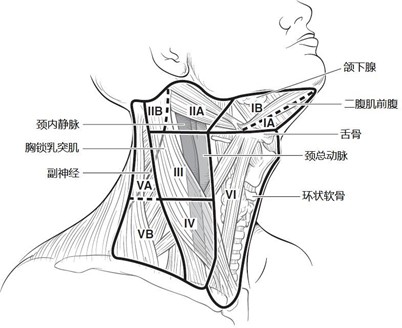
Figure 1 Cervical Lymph Node Compartment
Table 8 Anatomical divisions of cervical lymph node compartments

Anatomical demarcation
Division
Upper boundary Lower boundary Front boundary (inner boundary) Back boundary (outer boundary)

ⅠA Mandibular union Hyoid bone Contralateral diastasis anterior ventral Ipsilateral diastasis anterior ventralⅠB Mandibular diastasis posterior ventral diastasis anterior ventral Stem hyoid muscle

IIA
Cranial base Hyoid underwater margin flat
Stem hyoid muscle Paraneoplastic plane
IIB Paramedian plane Posterior border of sternocleidomastoid muscle
 < span style="font-size:1pt">
 III Subglottic level Subcricoid level Subcricoid level IV Subcricoid level Clavicle
Sternocleidomastoid and trapezius muscles
External border of sternocleidomastoid muscle Posterior border of sternocleidomastoid muscle
V A
Intersection Vertex
Level of the inferior border of the cricoid cartilage
Posterior border of sternocleidomastoid muscle Anterior border of trapezius muscle
VB Inferior border of the cricoid cartilage level Clavicle

VI Hyoid bone Superior border of sternal stalk Contralateral common carotid artery Ipsilateral common carotid artery
Ⅶ Superior border of sternal stalk Superior border of common carotid artery (left) Common carotid artery

V. 131I treatment
(a) DTC postoperative mortality risk stratification and recurrence risk stratification.
The concept of recurrence risk stratification was first introduced in the 2009 ATA Guidelines and updated in the 2015 ATA Guidelines. This recurrence risk stratification is based on intraoperative pathologic features such as degree of residual lesion, tumor size, pathologic subtype, envelope invasion, degree of vascular invasion, lymph node
metastatic features, molecular pathology, and post TSH stimulation (TSH >30 mU/L) Tg (sTg) levels and 131I post-treatment whole body scan (post-treatment whole body scan). treatment whole body scan (Rx-WBS) and other weighting factors classified patients into low, intermediate, and high risk of recurrence.
Use this stratification system to guide whether to treat patients with DTC with 131I.
style=”margin-left: 82pt”>
- Low risk of recurrence
PTC with all of the following: no distant metastases; all tumors seen visually were completely resected; tumors did not invade surrounding tissues; tumors were not an aggressive histologic subtype and did not invade blood vessels; if treated with 131I post-treatment whole-body imaging. No extra-bed iodine metastases; small number of lymph node metastases (e.g., cN0, but pathology reveals ≤5 micro-metastatic lymph nodes, i.e., metastases ≤0.2 cm in maximum diameter; follicular subtype of papillary thyroid carcinoma in the gland; differentiated follicular thyroid carcinoma in the gland with perineural invasion and with or without minor vascular invasion (<4); micro papillary carcinoma in the thyroid regardless of The risk stratification was low regardless of whether it was multifocal or not and whether it was associated with BRAF V600E positivity.
style=”margin-left: 82pt”>
- Medium-risk stratification
Either 1 of the following: microscopic tumor invasion of soft tissue outside the thyroid; invasive histology (e.g., high-cell, bootstrap, columnar cell carcinoma); papillary thyroid carcinoma with vascular invasion; systemic imaging if treated with 131I Iodine metastases in the neck; lymph node metastases (cN1, >5 metastatic lymph nodes with maximum metastasis diameter <3 cm on pathology; BRAF V600E mutation-positive intrathyroidal papillary carcinoma (1-4 cm in diameter); BRAF V600E mutation-positive multifocal thyroid carcinoma positive multifocal microscopic thyroid carcinoma combined with extraglandular infiltration.
style=”margin-left: 82pt”>
- High-risk stratification
Meets any 1 of the following: significant extraglandular infiltration; incomplete resection of the cancer; confirmed distant metastases; high postoperative Tg levels suggestive of distant metastases; combined with large lymph node metastases
metastasis (any lymph node metastasis ≧ 3cm in diameter); extensive invasion of blood vessels by follicular thyroid cancer
(>4 vascular invasion).
(ii)131I treatment indication.
style=”margin-left: 82pt”>
- The 2015 ATA Guidelines are highly recommended for patients stratified for high risk of recurrence 131I Treatment
Treatment.
style=”margin-left: 82pt”>
- For intermediate-risk stratified patients, consider 131I treatment, but where there is microscopic thyroid exenteration
Moderate risk patients with small cancer foci or few lymph node metastases, small diameter of involvement and no risk factors such as highly invasive tissue subtypes or vascular invasion failed to improve after 131I treatment. span>I treatment does not improve the overall prognosis, they may not be treated with 131I.
style=”margin-left: 82pt”>
- In patients with low-risk stratification, it is not recommended to perform 131I treatment.
-
Lymph node involvement in low-risk groups with ≤ 5 lymph nodes (no extra-peripheral lymph node invasion, lesions <0.2 cm) 131I therapy is not recommended for those with ≤5 lymph node involvement (no lymph node extra-peripheral invasion, lesions <0.2 cm) in the low-risk group. To facilitate follow-up by monitoring serum Tg levels and 131I whole-body imaging in terms of follow-up, it is feasible to size:8pt”>131I thyroid clearance therapy.
(c)Contraindications to 131I therapy.
style=”margin-left: 48pt”>
- Women during pregnancy or lactation.
- Pregnancy planned within 6 months.
(iv)131I thyroid clearance therapy dose.
style=”margin-left: 48pt”>
- Thyroid clearance therapy with 30mCi is recommended for intermediate and low-risk patients.
-
For patients with suspected or proven microscopic 131I adjuvant therapy at a dose of 150 mCi is recommended for intermediate and high-risk patients with suspected or proven microscopic residual lesions or highly aggressive histologic subtypes (hypercellular, columnar cell type, etc.) without distant metastases.
-
For patients who have a large amount of residual thyroid tissue or require focal clearance after incomplete/near-total thyroidectomy, consider using a higher dose of 131I.
-
Residual surgically unresected neck DTC tissue, with cervical lymph nodes or distant metastases that are inoperable or the patient refuses surgery, unexplained elevated serum Tg levels after total thyroidectomy, especially irritant Tg levels, thyroid clearance therapy should be combined with focal clearance therapy,131I is 100 to 200 mCi. For adolescents, women of childbearing age, elderly patients and. The dose of 131I may be reduced as appropriate in patients with mild to moderate renal impairment.
(v) The goal of TSH suppression therapy.
style=”margin-left: 48pt”>
- For high-risk patients, an initial TSH target value of <0.1 mU/L is recommended.
- For intermediate-risk patients, an initial TSH target of 0.1 to 0.5 mU/L is recommended.
- For low-risk patients with undetectable serum Tg, whether or not they have undergone 131I thyroid clearance therapy, a TSH target of 0.5 to 2 mU/L is recommended.
-
For those who have performed 131I thyroid clearance therapy and low level of Tg in low risk patients, or without 131I thyroid clearance therapy and low level of Tg in low risk patients, or without 131I thyroid clearance therapy and low level of Tg in low risk patients. Thyroid clearance therapy with a TSH target of 0.1 to 0.5 mU/L recommended for low-risk patients with slightly higher Tg levels.
style=”margin-left: 48pt”>
- For patients with glandular lobectomy, the TSH target recommendation is 0.5 to 2 mU/L.
- For patients with unsatisfactory outcome on imaging assessment, a TSH target of <0.1 mU/L is recommended in the absence of specific contraindications.
- For patients with unsatisfactory serologic assessment, a TSH target of 0.1 to 0.5 mU/L is recommended based on initial ATA risk stratification, Tg levels, trends in Tg changes, and adverse effects of TSH suppression therapy. mU/L.
- For patients initially rated as high risk but with a satisfactory treatment response (clinical or serologic disease-free status) or unclear efficacy, a TSH target of 0.1 to 0.1 to 0.5 mU/L for up to 5 years, with subsequent reduction in TSH suppression.
- For patients with a satisfactory response to therapy (clinical or serologic disease-free status) or unclear efficacy, especially those at low risk of relapse, a TSH target of 0.5 to 2 mU/L is recommended.
-
For patients who have not performed 131I thyroid clearance or adjuvant therapy with satisfactory or unclear efficacy, meeting a negative neck ultrasound, low or undetectable suppressive Tg, and no trend of increasing Tg or TgAb, the TSH target is recommended to be 0.5 ~The TSH target is recommended to be 0.5 to 2 mU/L.
(F) Principles of applied 131I focal clearance therapy in patients with local or distant metastases.
-
Recommended for iodine ingestion lesions that cannot be surgically removed131. /span>I therapy. The maximum tolerated dose is capped at 150 mCi.
style=”margin-left: 48pt”>
- For treatment of pulmonary metastases where the lesion still ingests iodine and appears clinically effective, every
6 to 12 months. The empirical treatment dose recommendation is 100 to 200 mCi, and for patients over 70 years of age the dose is 100 to 150 mCi.
(G) Treatment principles for Tg-positive 131I whole-body scan-negative patients.
- For patients with sTg <10 ng/ml from discontinuation of L-T4 or sTg <5 ng/ml from application of rhTSH, renew TSH suppression therapy and Close follow-up, but if there is a progressive increase in serum Tg or other evidence of disease progression (PD), empiric treatment with 131I is feasible.
-
For sTg >10ng/ml due to discontinuation of L-T4 or application of sTg > 5ng/ml due to rhTSH, with persistently elevated Tg or TgAb levels and negative neck, chest imaging,18F-FDG PET-CT However, if the Rx-WBS remains negative, the patient is classified as having iodine-refractory DTC and needs to be discontinued. 131I treatment.
VI.
The sensitivity of thyroid cancer to radiation therapy is poor, and radiation therapy alone is not beneficial in the treatment of thyroid cancer, and external beam radiation therapy (EBRT) is only used in a small percentage of patients. In principle, radiotherapy should be used in conjunction with surgery, primarily postoperative radiotherapy.
The implementation should depend on the surgical resection, type of pathology, extent of the lesion, and age: (1) for less malignant cancers such as well-differentiated PTC or FTC, intervention should be considered only when re-surgical resection is not possible. ② When the tumor involves more important areas (such as tracheal wall, prevertebral tissues, larynx, arterial wall or venous aneurysm embolus) and cannot be removed surgically, and 131I treatment is ineffective or 131I treatment is expected to postoperative radiation therapy can be considered when the results are poor. ③ For young patients, the pathological type is generally well differentiated, and they can survive with tumor for a long time even with recurrent metastasis, and both 131I treatment and reoperation are effective treatments, the application of external irradiation needs to be cautious. ④ For PDTC or ATC with residual or extensive lymph node metastasis after surgery, extensive postoperative radiation therapy should be given promptly to minimize the local recurrence rate and improve the prognosis.
(a) Indications for radiation therapy.
style=”margin-left: 82pt”>
- Highly differentiated PTC and FTC
The current recommended indications for external radiation therapy are shown in Figure 2.

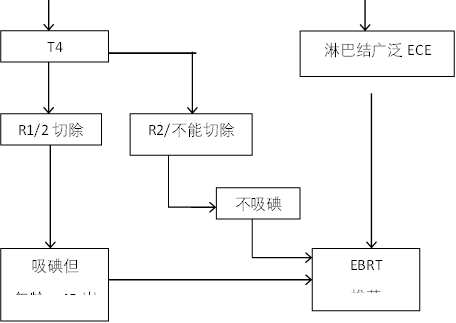 DTC
DTC
Figure 2.
The indications for external radiation include: (1) those with significant visual residual tumor that cannot be surgically removed and cannot be controlled by radionuclide therapy alone; and (2) those with postoperative residual or recurrent lesions that do not absorb iodine.
style=”margin-left: 81pt”>
- MTC
External radiation therapy may be considered for patients who cannot be fully resected surgically, or who have recurrence. External radiation therapy is generally considered to help with local control in these patients. See Figure 3.
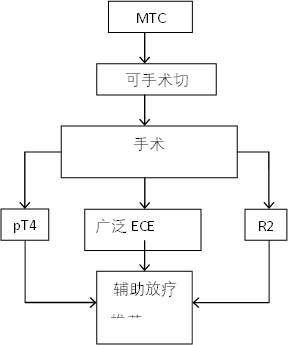
Figure 3. Indications for radiotherapy for MTC
style=”margin-left: 81pt”>
- ATC
Comprehensive treatment is the primary treatment modality and is individualized to the patient. Radiotherapy can be used as part of a combination of preoperative and postoperative treatment. Radiotherapy alone can be used, and high-dose radiotherapy (recommended dose 60 Gy) is feasible.
style=”margin-left: 82pt”>
- Palliative radiotherapy for distant metastatic lesions of thyroid cancer
For thyroid cancer with distant metastases such as lung, liver, bone or brain with clinical symptoms, surgery or 131I therapy combined with EBRT or stereotactic body radiation therapy can be considered to relieve symptoms and slow down tumor progression.
(ii) EBRT technology.
style=”margin-left: 82pt”>
- Pre-treatment assessment
A detailed examination should be performed before radiotherapy to clarify the specific clearing of the tumor and to prepare for target area formulation: for those with hoarseness, dysphagia, and wheezing, it indicates that the tumor has invaded the thyroid body and reached the laryngeal recurrent nerve, esophagus, and trachea. Detailed examination of the neck for enlarged lymph nodes to determine whether there is regional lymph node metastasis. Laryngoscopy will be performed to determine whether there is vocal cord paralysis and whether there is invasion of the recurrent laryngeal nerve. Ultrasound and CT of the neck can be used to clarify the extent of tumor invasion and enlarged lymph nodes in the neck; CT of the lung, ultrasound of the abdomen and bone scan should be routinely examined to exclude the possibility of distant metastasis. Before postoperative radiotherapy, detailed information about the surgery, postoperative residuals, and postoperative pathological findings should be obtained.
style=”margin-left: 82pt”>
- Radiotherapy techniques
Conformal radiotherapy or conventional radiotherapy can be used.
-
intensity- modulated radiation therapy (IMRT) and three-dimensional conformal radiotherapy.
Selection of position: The optimal position is supine with a headrest at an appropriate angle (to ensure that the head is extended as far as possible) and a head pillow, and with the head, neck, and shoulders fixed with thermoplastic film. The C-pillow is generally used in the radiotherapy department of the Cancer Hospital of the Academy of Medical Sciences, which allows the neck to remain in the hyperextended position.
Simulated CT scan: scan with spiral CT, all patients should be scanned with iodine contrast for enhancement, layer thickness 3 mm, upper border should include the cranial vault and lower border should include all lung tissue; upload to planning system.
-
Target area development (Figure 4): There is a large controversy about target area determination. Some studies suggest that small field treatment can be used, with adequate attention to the surgeon’s external radiation to areas of high postoperative incidence, and areas that are not easily resected surgically. Some investigators believe that large-field radiation therapy should be given, with the option of treating areas of cervical lymph node drainage.
The design of the target area should be specific to the type of pathology, extent of the lesion, and the presence or absence of lymph node invasion. In general, a small field is used for highly differentiated cancers, and a large field is used for poorly differentiated or undifferentiated cancers. For thyroid cancer, the upper and lower borders should be determined according to the extent of tumor invasion and the extent of lymph node metastasis, based on the principle of including the entire thyroid body and regional lymphatic drainage. For undifferentiated carcinoma, the upper border should include the upper cervical lymph nodes and the lower border should reach the level of the tracheal bifurcation to include the upper mediastinal lymph nodes.
The current treatment field is mostly a large field, which needs to include the lymph node drainage areas in the neck and upper mediastinum.
-
Tumor bed (GTVtb): includes the area of preoperative tumor invasion, as well as the extent of metastatic lymph node involvement, and should be considered for those who are not surgically For those who are not standardized, the surgical bed should be considered as GTVtb for outlining.
- High-risk area (CTV1): includes the thyroid area, surrounding lymph node drainage areas, and all areas with pathologically confirmed positive lymph nodes.
- Choice treatment area (CTV2): includes lymph node drainage areas II-VI and upper mediastinal lymph nodes without pathologic confirmation but with potential metastasis, with a low rate of metastasis in retropharyngeal lymph nodes and lymph nodes in area I. However, if lymph nodes in area II metastasize, retropharyngeal lymph nodes and lymph nodes in area I metastasize. The probability of metastasis in the retropharyngeal lymph nodes increased significantly when there were lymph node metastases in zone II, and the probability of lymph node metastases in zone Ib increased when there were large lymph node metastases in zone IIa.
increases and should be included in the treatment range. The lower border should be appropriately shifted downward if there are pathologically confirmed lymph node metastases in the superior mediastinum.)
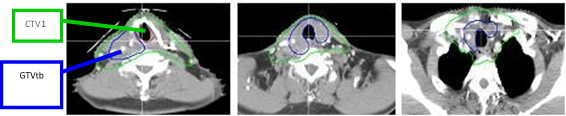

Figure 4. Typical levels of target area outline for thyroid cancer
style=”margin-left: 89pt”>
- Prescribed dose (Figure 5).
A. Selective treatment area (or low-risk area): 50Gy-54Gy given in general. B. Highly suspected involvement area: 59.4Gy-63Gy.
C. Positive cut edge pathology area: 63 Gy to 66 Gy. D. Naked eye residual area: 66 Gy to 70 Gy.
E. Normal tissue limits: highest dose to spinal cord ≤ 4000 cGy; average dose to parotid gland ≤ 2600 cGy; highest dose to larynx ≤ 7000 cGy (no hot spots should be present in the region of the larynx).
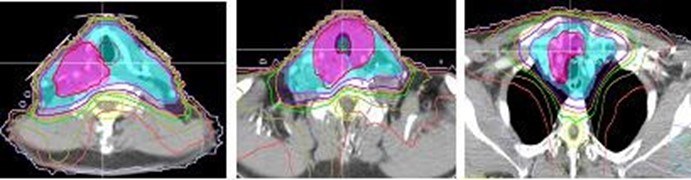

Figure 5 Typical levels of IMRT dose distribution for thyroid cancer
style=”margin-left: 106pt”>
- Conventional radiotherapy techniques.
-
Positioning: same position as IMRT, recommended to use analog CT for positioning, and The field of fire is outlined on the planning system. Without the analog CT device, X-ray orthogonal images can also be used to outline the field.
style=”margin-left: 55pt”>
- Radiographic field design.
style=”margin-left: 48pt”>
 Two front oblique field cross-angle wedge irradiation technique: see Figure 6.
Figure 6 Two-front oblique field intersection wedge irradiation technique
-
 Electron wire single anterior field irradiation (Figure 7, 8): according to TPS anterior neck choose the appropriate thickness of However, it should be noted that this method has a large skin reaction, so it cannot be used alone to achieve a radical dose and can be used in combination with high-energy X-rays to achieve a radical dose.
Figure 7 Standard irradiation field for routine irradiation of thyroid cancer
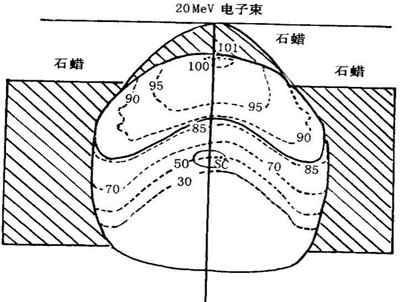
Figure 8 Dose distribution of single anterior field irradiation by 20MeV electron beam
 Mixed X-ray and E-ray irradiation technique (Figure 9): first high-energy X-ray anterior-posterior large-field pair irradiation or single anterior field X-ray irradiation, D >
Figure 9 High-energy X-ray and E-ray hybrid irradiation technique
- Small bucket field irradiation technique (Figure 10): an anterior-posterior field pairing technique using high-energy X-rays, with the anterior field cervical medulla unblocked and the posterior field cervical medulla blocked, both fields irradiated daily, with a dose ratio of 4:1 in the anterior and posterior fields. The dose reference point was chosen around the anterior border of the cervical vertebral body, and at DT40Gy, the spinal cord was still within the tolerated dose range, and the thyroid, neck, and upper mediastinum all received satisfactory dose distribution. The dose distribution was satisfactory. In the final dose increase, the lower border was shifted up to the level of the thoracic notch and replaced with bilateral horizontal field pairs or two anterior oblique field wedges to achieve a total radical dose.
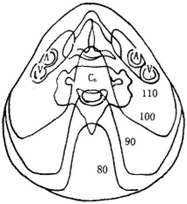
Figure 10 Dose distribution for small bucket field irradiation technique (10MV X-rays)
style=”margin-left: 89pt”>
- Radiation source: Cobalt-60 or 4-6MV high-energy X-rays, 8-15 MeV electron rays.
- Irradiation dose: according to the radiotherapy plan (large split plan and conventional split radiotherapy plan)
The irradiation dose: slightly different according to the radiotherapy protocol (macrosplit and conventional split radiotherapy protocols). According to the conventional dose fractionation: fractionated dose of 200 cGy once a day, 5 times a week, 5000 cGy in the large field, and then a reduction in the field to 6000-7000 cGy for the residual area, taking care not to exceed the tolerated spinal cord dose. Foreign treatment guidelines recommend: for those with
70 Gy is usually given for lesions with visual residual, 66 Gy for areas of microscopic residual or surgically removed tumor, 60 Gy for areas of high risk microscopic residual (including the thyroid bed, tracheoesophageal groove, and zone VI lymph node drainage area), and 54 to 7,000 cGy for areas of low risk microscopic (including uninvaded zones III-V, upper mediastinal lymph nodes) 54 to 56 Gy.
style=”margin-left: 81pt”>
- EBRT Complications
- Acute complications: 1 to 2 degree reactions are more common in about 80
 or more, including pharyngitis, mucositis, dry mouth, taste changes, dysphagia, painful swallowing, radiological skin
Pharyngitis is rare above 3 degrees, with the highest incidence of pharyngitis (<10 ), with the rest of the reactions <5
  .
.
-
Distant complications: including skin-muscle fibrosis, esophageal-tracheal stenosis, pharyngeal stenosis leading to dysphagia, internal carotid artery sclerosis, and second primary carcinoma.
VII.
Traditional medical treatment is mainly chemotherapy, while targeted therapy and immunotherapy are new systemic treatments that have emerged in recent years. For DTC and MCT, chemotherapy has poor efficacy, and targeted therapy has some efficacy. The main medical treatment for ATC is chemotherapy, and targeted therapy has some efficacy.
(A) Molecular targeted therapy.
Differentiated thyroid cancer has high expression of vascular endothelial growth factor and its receptors, as well as genetic alterations such as BRAFV600E mutations, RET rearrangements, and RAS point mutations. Multikinase inhibitors acting on these targets prolonged median progression-free survival and resulted in tumor shrinkage in some patients.
The multikinase inhibitor sorafenib may be considered for patients with more rapidly progressing, symptomatic, advanced radioiodine-refractory differentiated thyroid cancer. The approved indications for sorafenib in China are: progressive radioiodine-refractory differentiated thyroid cancer with local recurrence or metastasis.
For rapidly progressing, inoperable advanced MTC, the approved targeted therapy in China is anlotinib.
(ii) Chemotherapy.
For stage IVA and stage IVB ATC, chemotherapy may be considered in addition to radiotherapy. Chemotherapy can be used in parallel with radiotherapy or given adjuvantly after radiotherapy. The drugs used include paclitaxel, anthracyclines, and platinum, as described in Table 9. When chemoradiotherapy is given concurrently, the chemotherapy regimen is recommended as a weekly regimen.
For stage IVC undifferentiated thyroid cancer, systemic chemotherapy may be considered. The recommended regimens for stage IVC undifferentiated thyroid cancer include paclitaxel combined with platinum, doxorubicin combined with doxorubicin, paclitaxel alone, and doxorubicin alone. See Table 10 for specific regimens.
(iii) Immunotherapy.
It is still in the clinical research phase. For patients with thyroid cancer who have not responded to other treatments and whose disease is still progressing, participation in clinical studies related to immunotherapy is recommended.
(D) Indications for targeted therapies.
According to current clinical findings, targeted therapies may prolong progression-free survival, but most do not improve overall survival. Once targeted therapy is initiated, the disease may progress at an accelerated rate. Therefore, it is recommended to strictly control the indications for targeted therapy. In particular, for DTC, it is recommended to consider targeted therapy if surgical treatment and 131I therapy have failed and the disease is still progressing significantly.
Table 9 Chemotherapy regimens for adjuvant chemotherapy or synchronized chemoradiotherapy for undifferentiated stage IVA and stage IVB thyroid cancer
|
Program
|
Dosage
|
frequency
|
|
Paclitaxel/carboplatin |
Paclitaxel 50 mg/m2, carboplatin AUC 2 mg/m2 IV
|
2 =”border-top: none; border-left: none; border-bottom: solid black 0.5pt; border-right: solid black 0.5pt”>
Weekly
|
|
Docetaxel/Doxorubicin
|
Docetaxel 60 mg/m2IV , Doxorubicin 60
mg/m2 IV (must be supported by polyethylene glycolated fexofenestrin)
|
every 3-4 weeks
|
|
Docetaxel/Doxorubicin
|
Docetaxel 20 mg/m2 IV , Doxorubicin 20
mg/m2 IV
|
Weekly
|
|
Paclitaxel
|
30 to 60 mg/m2 IV
|
weekly
|
|
Sunpac
|
25 mg/m2 IV
> |
weekly
|
|
Doxorubicin
|
60mg/m2 IV
|
every 3 weeks
|
< tr style="height: 31px">
Doxorubicin
|
20 mg/m2 IV
|
weekly
|
Note AUC, area under the concentration-time curve; IV, intravenous drip
Table 10 Chemotherapy regimens for stage IVC undifferentiated thyroid cancer
|
Program
|
Medication/Dose
|
frequency
|
|
Paclitaxel/carboplatin |
Paclitaxel 60-100 mg/m2, carboplatin AUC 2 mg/m2 IV
|
< td style="border-top: none; border-left: none; border-bottom: solid black 0.5pt; border-right: solid black 0.5pt">
< span style="font-family:Arial; font-size:12pt">Weekly
|
Paclitaxel/carboplatin
|
Paclitaxel 135-175 mg/m2, carboplatin AUC 5-6 mg /m2
IV
|
every 3 to 4 weeks
|
|
Docetaxel/Doxorubicin
|
Docetaxel 60 mg/m2 IV, Doxorubicin 60 mg/m2 IV
(must be supported by polyethylene glycolated fexofenestrin)
|
every 3 to 4 weeks
|
|
Docetaxel/Doxorubicin
|
Docetaxel 20 mg/m2 IV, doxorubicin 20 mg/m2 IV
|
Weekly
|
|
Paclitaxel
|
60 to 90 mg/m2 IV
|
Weekly
|
|
Paclitaxel
|
“border-top: none; border-left: none; border-bottom: solid black 0.5pt; border-right: solid black 0.5pt”>
135 to 200 mg/m2 IV
|
every 3 to 4 weeks
|
|
Doxorubicin
|
60 to 75 mg/m2 IV
|
every 3 weeks
|
|
Doxorubicin
|
20 mg/m2 IV
|
weekly
|
Note: AUC, area under the concentration-time curve; IV, intravenous drip
VIII. Chinese herbal treatment of thyroid cancer
Thyroid cancer belongs to the category of “gall tumor” in Chinese medicine. Modern research, combined with ancient medical knowledge of this disease, all agree that emotional factors are the main cause of the disease, in addition to deficiency, phlegm, stasis, heat, toxicity, and diet. The clinical picture is a mixture of deficiency and actuality, with multiple factors causing the disease together.
(a) Identification and treatment.
Currently, Chinese medicine is used to treat thyroid cancer by combining surgery, chemotherapy, and radiotherapy to reduce the load of chemotherapy, radiotherapy, and postoperative treatment, to reduce side effects, to improve physical strength, and to improve appetite.
Inhibit tumor progression and control the disease as an adjuvant and end-stage supportive treatment. The second is to opt for pure TCM treatment without surgery or radiotherapy.
Population: Patients in the perioperative period, during radiotherapy, targeted therapy, post-treatment recovery, and in advanced stages.
Treatment: oral tonics, Chinese patent medicines, Chinese patent preparations, other Chinese medical methods
(external application, acupuncture, etc.)
(ii) Treatment options.
style=”margin-left: 82pt”>
- Zhengqi deficiency
Indications: Congenital weakness or damage to the righteous qi after surgery or radiotherapy.
Representative formulas: Bajhen Tang, Angelica Sinensis Blood Tonic Soup, Ten Perfect Tonic Soup, Tonic Zhong Yi Qi Soup plus
Decrease.
style=”margin-left: 82pt”>
- Yin deficiency with fire
Indications: Commonly seen after radiotherapy or in vegetative deficiency. Chinese herbal tonics: Zhi Bai Di Huang Wan plus reduction
style=”margin-left: 82pt”>
- Liver and kidney deficiency
Indications: Commonly seen in bone marrow suppression or vegetative deficiency after radiotherapy. Representative tonics: Liu Wei Di Huang Wan plus or minus.
style=”margin-left: 82pt”>
- Liver depression and qi stagnation
Indications: Depressed or irritable mood, good at resting, distension and pain in the chest and abdomen. Chinese herbal soup: Seaweed Yuhu Tang or Hanxia Houpu Tang with reduction.
style=”margin-left: 82pt”>
- Cold phlegm stagnation
Chinese herbal formula: Yang He Tang combined with Han Xia Xie Scrofula Pill plus reduction. 6.
Indication symptoms: superfluous masses with rapid growth or metastasis. Chinese herbal remedy: Xihuangwan or Xiaojin Dan plus or minus.
IX.
(A) A multidisciplinary and comprehensive treatment model for thyroid cancer.
Thyroid cancer, especially DTC, has a good prognosis, low mortality, and a long survival. It requires a multidisciplinary, standardized and comprehensive treatment process, including surgery, pathology, diagnostic imaging, nuclear medicine, radiotherapy, endocrinology, medical oncology, etc., and should be individualized and precise for different patients or different stages of treatment for the same patient.
Treatment and follow-up of thyroid cancer should be surgery-led. The patient’s condition will vary, and a comprehensive treatment plan will be developed in consultation with nuclear medicine, endocrinology, radiotherapy, and medical oncology.
- For patients with low-risk differentiated thyroid cancer, surgery + postoperative exogenous thyroxine replacement therapy or TSH suppression therapy is sufficient.
- For patients with distant metastatic high-risk differentiated thyroid cancer, surgery + postoperative 131I therapy + postoperative TSH suppression therapy is the main combined treatment modality.
- For localized lesions that are not surgically resectable, local radiofrequency ablation or external radiotherapy can be considered.
For ATC, external radiotherapy + surgery may be preferred in the absence of distant metastases and airway obstruction
/surgery + external radiotherapy. The role of surgery is primarily to relieve airway obstruction (tracheotomy) and to remove as much of the tumor as possible when conditions permit.
(B) Postoperative follow-up of thyroid cancer.
The purpose of long-term follow-up for thyroid cancer patients is to: 1. monitor those who are clinically cured for early detection of recurrent tumors and metastases; 2. 4. to dynamically observe the condition of certain concomitant diseases (e.g., heart disease, other malignancies, etc.) in patients with DTC.
Exogenous thyroxine suppression therapy is required after DTC surgery. The degree of TSH suppression therapy is determined by the risk of postoperative recurrence. After each dose adjustment of oral exogenous thyroxine, thyroid function should be reviewed at 4-6 week follow-up visits, and the follow-up interval may be extended as appropriate once the desired equilibrium point is reached.
For those who have cleared all of their thyroid (surgery + 131I thyroid clearance), serum Tg levels (along with TgAb) should be measured regularly and the same test reagent is recommended. Long-term follow-up of serum Tg begins 6 months after 131I thyroid clearance therapy, when basal Tg or sTg is measured.131I thyroid clearance therapy. 13112 months after treatment with sTg. Basal Tg is then repeated every 6 to 12 months. sTg may be repeated within 3 years after thyroid clearance for those at intermediate or high risk of recurrence.
- Neck ultrasound should be performed periodically during DTC follow-up to assess the status of the thyroid bed and lymph nodes in the central and lateral neck areas. The first postoperative ultrasound examination is recommended at 3 months postoperatively for high-risk patients and 6 months postoperatively for intermediate and low-risk patients. If suspicious lesions are found, the examination interval can be shortened as appropriate. Ultrasound-guided puncture biopsy and/or puncture eluate Tg testing is indicated for suspicious lymph nodes.
-
DTC patients undergoing surgery and 131131 span>I thyroid clearance therapy, Dx-WBS can be applied selectively at follow-up depending on the risk of recurrence.
1) Patients with DTC at low to moderate risk of recurrence who have Dx-WBS that does not suggest 131I uptake outside the thyroid bed and who have a non-abnormal neck ultrasound and basal serum Tg levels at follow-up
(in TSH suppressed state) are not high, no Dx-WBS is required.
(ii) In patients with DTC at moderate to high risk of recurrence, Dx-WBS applied during long-term follow-up may be valuable in detecting tumor lesions, with a recommended interval of 6 to 12 months between examinations. If patients have progressively elevated Tg levels during follow-up, or if DTC recurrence is suspected, Dx-WBS is feasible.
- CT and MRI are not routinely performed in DTC follow-up. CT or MRI of the cervical thorax should be performed when: (i) the lymph node recurrence is extensive and cannot be accurately described by ultrasound; (ii) the metastatic lesion may invade the upper respiratory and gastrointestinal tracts and further evaluation of the extent of invasion is needed; (iii) the serum Tg level is elevated (>10ng/ml) or TgAb is elevated in high-risk patients. If Dx-WBS is negative, iodine-containing contrast should be avoided if follow-up 131I therapy is possible. If an enhanced CT scan with iodine contrast is performed, 131I therapy is recommended 4 to 8 weeks after the examination.
- Not currently recommended for routine use in DTC follow-up 18F-FDG PET, but it may be considered in the following situations: (i) to assist in finding and localizing lesions when serum Tg levels are elevated (>10ng/ml) and Dx-WBS is negative; (ii) for lesions that are not iodine uptake (ii) evaluate and monitor the disease in those with lesions that do not uptake iodine; (iii) evaluate and monitor the disease in those with aggressive or metastatic DTC.
-
Long-term follow-up of DTC should also include. ①131Long-term safety of I therapy: including effects on secondary tumors, reproductive system. However, over-screening and screening should be avoided; (ii) the effect of TSH suppression therapy: including whether TSH suppression therapy is achieved, side effects of therapy, etc.; (iii) concomitant diseases of DTC patients: since some concomitant diseases (e.g. heart disease, other malignancies, etc.) may be of higher clinical urgency than DTC itself, the condition of the above concomitant diseases should also be dynamically observed during long-term follow-up.
(C) Management after detection of DTC recurrence or metastasis.
Local regional recurrence or metastasis can occur in residual thyroid tissue, soft tissues of the neck and lymph nodes, and distant metastasis can occur in the lung, bone, brain and bone marrow. The treatment options for recurrent or metastatic lesions are, in order of preference, surgical resection (surgery is preferred for those who may be cured by surgery), 131I therapy (for those whose lesions are amenable to iodine uptake), external radiation therapy, observation in the setting of TSH suppression therapy (tumors that have not progressed or have progressed slowly and are asymptomatic, with no significant areas such as the central nervous system), and observation in the setting of TSH suppression therapy. The final treatment regimen must take into account the patient’s needs and the patient’s needs. The final treatment plan must take into account the patient’s general status, co-morbidities and previous response to treatment. Patients with completely cleared thyroid DTC have persistently elevated serum Tg levels (>10ng/ml) at follow-up, but no lesions are detected on imaging. In this group of patients, they can be treated with
Trial administration of 3.7-7.4GBq (100-200mCi)131I; if DTC is detected by Dx-WBS after treatment lesions or reduced serum Tg levels after Dx-WBS, repeat 131I therapy; otherwise, discontinue 131I therapy and focus on TSH suppression.
(D) Post-MTC surgery follow-up.
Postoperative thyroid function follow-up is consistent with DTC but does not require TSH suppression therapy. Serum calcitonin and CEA are the more specific biochemical markers for MTC and are mandatory for follow-up review. For patients whose serum calcitonin and CEA levels return to normal after surgery, the follow-up period can be referred to the follow-up of low-risk DTC; for patients whose serum calcitonin and CEA do not fall into the normal range but are at lower levels, the follow-up of high-risk DTC can be referred to; for patients whose biochemical indicators are still at high levels, close follow-up should be performed, and it is recommended that ultrasound be repeated in 3 to 6 months, and that the serum calcitonin and CEA be reviewed according to the serum calcitonin and CEA levels.
The magnitude of the rise in serum calcitonin and CEA, combined with CT or MRI, should be used to determine the extent of the tumor, and PET-CT should be performed if necessary.
Attachments
Thyroid Cancer Treatment Guidelines (2022 Edition) Validation Expert Group
(in surname stroke order)
Team leaders: Liu Shaoyan, Xu Zhenzang
Members:Wang Ping, Wang Yu, Zhu Yiming, Sun Hui, Yang Ankui, He Xiaohui, Lin Yansong, Yi Junlin, Luo Dehong, Fang Jugao, Shi Bingyin, Qin Jianwu, Gao Ming, Guo Liang, Huang Tao, Ge Minghua, Lu Hazhen, Liao Quan
 Benign Cystic or solid predominantly benign nodules with regular morphology and clear borders