Many patients with gastric cancer are afraid of postoperative gastric tube placement. In addition to discomfort such as sore throat, nausea, and vomiting, the psychological burden is aggravated by the different nature and color of the fluid drawn from the tube. Most of the patients are eager to have their gastric tubes removed as soon as possible to reduce the pain of postoperative gastric tube placement. So, is it possible to remove a gastric tube? This requires an understanding of the role of the postoperative gastric tube. The following is an introduction.
Why is a postoperative gastric tube needed?
After gastrectomy, gastrointestinal motility is inhibited due to anesthesia, analgesia, and intraoperative injury, resulting in intestinal paralysis, which is a natural physiologic process. Studies have shown that small bowel peristalsis recovers within a few hours after surgery, gastric peristalsis takes 24 to 48 hours, and colonic peristalsis takes 3 to 5 days. The secretion of various digestive juices in the body is about 5,300 to 9,500 ml, and the swallowed and intestinal secretion of gas is about 30 to 300 ml, most of which will be reabsorbed in the small intestine. Intestinal paralysis may lead to accumulation of digestive juices.
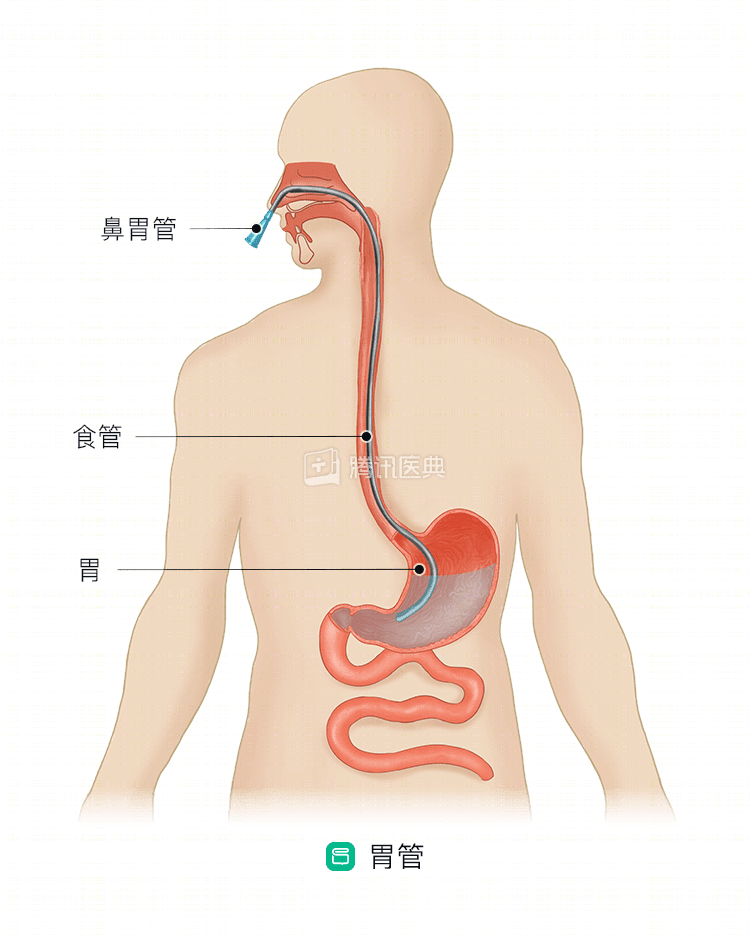
Negative pressure connected to a gastric tube drains out the accumulated digestive fluid in the stomach and reduces the pressure in the gastrointestinal tract, i.e., gastrointestinal decompression is performed, with a daily aspiration of approximately 200 ml.
In the event of postoperative complications such as obstruction and bleeding, the greater role of the gastric tube becomes apparent: the tube allows continuous drainage of gastric fluid, reducing the pressure in the gastrointestinal tract and preventing excessive pressure from affecting gastric anastomotic healing (anastomotic fistula); if there is more bloody fluid draining from the tube, this suggests that intra-gastric bleeding may have occurred and requires prompt treatment. At the same time, the gastric tube also serves the function of nasal feeding, that is, early enteral nutrition by injecting nutrients through the gastric tube, which helps restore the function of the gastrointestinal tract and promotes postoperative recovery.
After gastric cancer surgery, what about stomach bleeding?
It is evident that indwelling gastric tube is useful for postoperative patients with gastric cancer.
Is it always necessary to keep a gastric tube in place after surgery?
With so many roles for the gastric tube, is it necessary to leave it in place after gastric cancer surgery? With the concept of rapid recovery and the popularity of minimally invasive surgery, it has become a trend not to routinely place a gastric tube after surgery. More and more studies have shown that routine postoperative gastric tube placement after gastric cancer does not improve safety and does not reduce the incidence of symptoms and complications such as bloating, nausea, and vomiting, but may cause throat discomfort and increase the risk of lung infection.
Currently, doctors usually place a gastric tube postoperatively on an elective basis, meaning that it is not routinely placed preoperatively, but only when there is significant postoperative vomiting, bloating, and other symptoms that are not relieved by the administration of medications and physical therapy. The Expert Consensus on Accelerated Recovery Surgery for Gastrectomy for Gastric Cancer (2016 edition) clearly states that the routine use of nasogastric tubes is not recommended postoperatively and is only used selectively when impaired gastric emptying occurs.
What do I need to know about leaving a gastric tube in place?
If a gastric tube is needed, care of the tube should be given adequate attention: secure the tube to avoid dislodgement; flush with 10-20 ml of saline every 4 hours to keep the tube open; observe the nature, color, and amount of fluid drained to determine whether there is bleeding in the stomach; and change the adhesive tape holding the tube in place every other day. Some patients have a foreign body sensation in the throat when the gastric tube is placed, which is a normal body reaction, do not remove it by yourself.
Usually, a few days after surgery, when the bowel sounds are restored and the anus is empty, the surgeon will ask the patient to drink water on a trial basis with the tube clamped shut, and will consider removing the tube if there is no abdominal distention or pain.
What if the gastric tube is accidentally pulled out? The first step is to promptly inform the physician, who will decide if the patient needs to be re-tubed based on the patient’s condition. If no treatment is needed for the time being, then the patient must be aware of any discomfort such as severe nausea, vomiting, abdominal distention, etc. The physician will also determine if there are complications such as functional gastric emptying disorder, anastomotic fistula, etc. Once these occur, re-tubing will be considered.
Doctors will consider whether to place a gastric tube on a case-by-case basis, and those who need to place a gastric tube will no longer be resistant to it after realizing its above mentioned effects. (Contributed by Jun Yan Zhang, Department of Gastrointestinal Oncology, The First Hospital of China Medical University)