Central nervous system leukemia (CNSL), also known as meningeal leukemia or “cerebral leukemia” because it occurs mostly in the meninges, is a disease of the brain. The lack of drugs that can penetrate the blood-brain barrier and reach the cerebrospinal fluid and brain parenchyma makes this site a sanctuary for leukemia cells, and without adequate intervention, leukemia cells tend to accumulate and form “cerebral leukemia,” so preventive measures are necessary.
The main preventive treatments are systemic chemotherapy combined with intrathecal chemotherapy or radiation therapy.
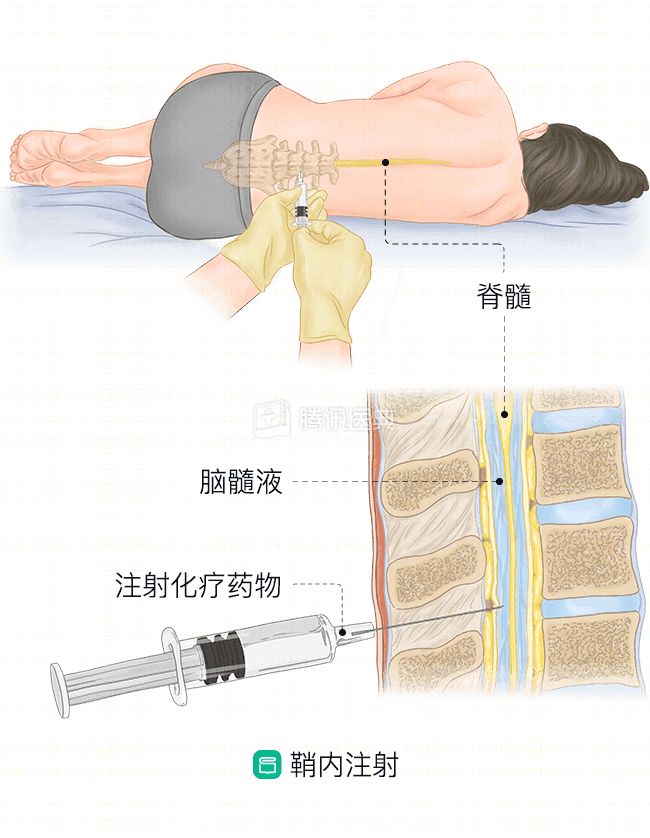
- Intrathecal chemotherapy: It should be started as soon as possible after the leukemia goes into remission. The commonly used drugs methotrexate, cytarabine, and dexamethasone are triple intrathecal injections. At least 2 to 4 times in patients with acute myeloid leukemia and 12 or more times in the standard-risk group and 16 or more times in the high-risk group with acute lymphoblastic leukemia.
- Radiotherapy: typically administered during consolidation chemotherapy after remission. Radiation sites include cranial alone or cranial plus spinal, done in 12 to 15 sessions.
- High-dose systemic chemotherapy: Due to the many side effects of cranial radiotherapy, it is now not used as a routine prophylactic treatment, and the common prophylactic approach is high-dose chemotherapy combined with multi-frequency intrathecal chemotherapy injections. The presence of the blood-brain barrier makes it difficult for drugs to penetrate the CNS during conventional chemotherapy leading to a decrease in local drug concentrations, making the site susceptible to leukemia. However, high-dose chemotherapy can achieve high plasma drug concentration, which can penetrate the blood-brain barrier and increase the concentration of drugs in the cerebrospinal fluid to prevent and treat CNSL. The commonly used drugs are high-dose methotrexate or high-dose cytarabine.
Lumbar puncture intrathecal chemotherapy is the direct injection of chemotherapy drugs into the cerebrospinal fluid, which is circulated through the cerebrospinal fluid to reach the skull to directly kill leukemia cells.
It is important to note that there should be no leukemic cells in the peripheral blood at the time of lumbar puncture and intrathecal injection, and to avoid repeated punctures that may bring leukemic cells from the peripheral blood into the cerebrospinal fluid during puncture injury.