Hello everyone, I’m iodine-131, an isotope of the element iodine. Unlike the iodine that is contained in iodized salt, I am radioactive.
So, in medicine, I can be used for thyroid function tests and for the treatment of thyroid disease.
It’s been more than 70 years since I was first used to treat thyroid cancer in 1946, and I’m an old man in terms of human life expectancy.
So I now have a very important, if not irreplaceable, place in the treatment of thyroid cancer, and I am used to clean up the remaining cancer cells after surgery for most thyroid cancers.
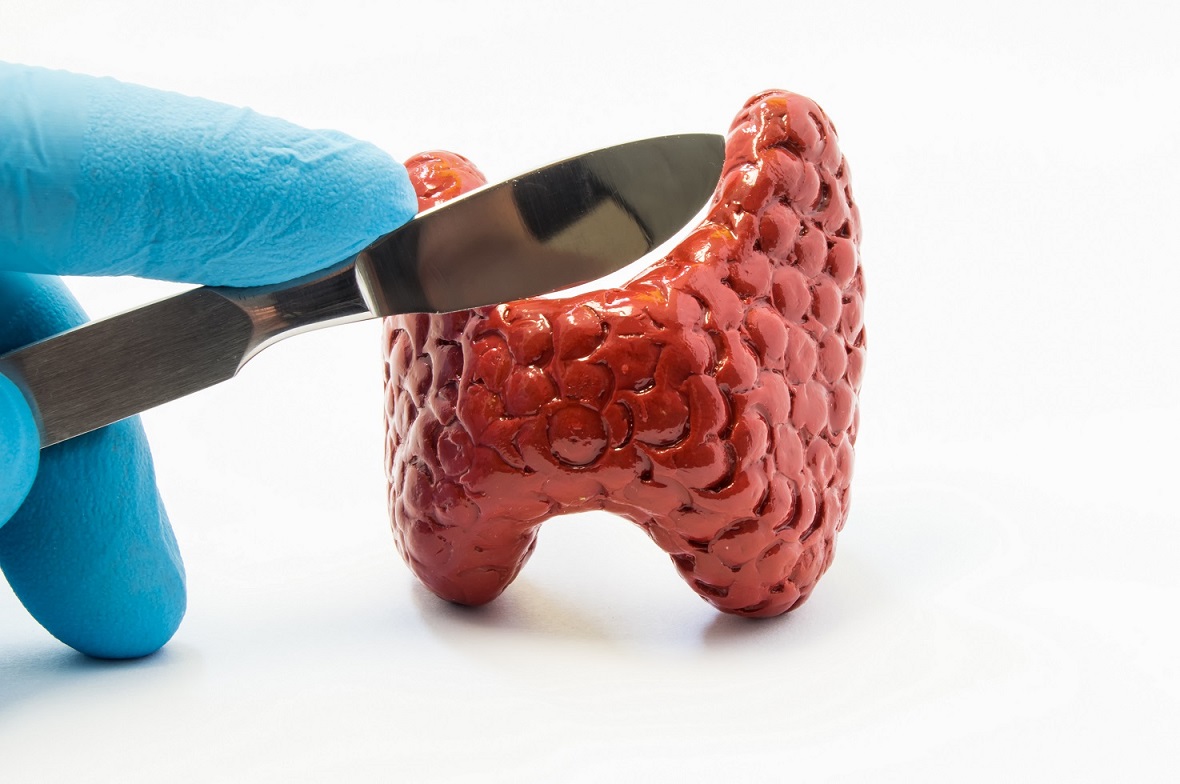
But because of my radioactivity, many people with thyroid cancer are afraid of me and even fear that they will become a walking “radioactive source” after radioactive iodine treatment.
I don’t want to take the blame for this. Why do you say that? Let me tell you.
First of all, my radiation range is very small.
When I treat thyroid cancer, I go into the body in the form of a sodium iodide solution to produce the effect. The sodium iodide solution is a colorless, odorless liquid that looks no different than water. When I am taken, it is absorbed by the gastrointestinal tract, travels with the bloodstream to the vicinity of the thyroid gland, and is then taken up by the thyroid tissue that remains after surgery.
At this point, I then release beta rays that destroy this cancerous tissue . The range of the beta rays in the tissue is only 2 mm, and the radiation range is very small, so it can’t harm other normal tissues.
.
I am not going to harm other organs.
Maybe you’re asking, I’m absorbed by the intestines and then I go through the bloodstream throughout the body, so will it harm other organs?
I can assure you absolutely not.
I can assure you that there is no harm to other organs because my action is based on the ability of the thyroid tissue to take up iodine, so I only accumulate in the thyroid tissue, not in other organs, and any unabsorbed part is quickly excreted in the urine and stool; and I have a limited time in the bloodstream, no harm to other organs.
My radioactivity is limited.
Those of you who have studied chemistry know that radioactive elements have physical half-lives, which means that the radioactivity of an element decreases over time.
I am no exception. I have a physical half-life of 8.04 days, which means that after 8 days, my radioactivity will be reduced by half. Add in the body’s biological excretion, and the radioactivity left in the body is very low. And over time, my radioactivity gets smaller and smaller, until it’s gone.
If necessary, you may be placed in isolation for protection during treatment.
As I just mentioned, I am a colorless, odorless liquid. You may be thinking, “Isn’t that just a glass of “water”? You can treat it at home! But that’s not true. This is because:
▽ First of all, I am a radioactive substance, and your urine and stool are radioactive for 8 days before the half-life, and need to be specially treated before discharge, otherwise it will bring radioactive contamination to the surrounding environment. And you will not be in contact with outsiders during your quarantine, so don’t worry about the impact on others.
▽ Secondly, although I am relatively safe to use, there is still the possibility of some adverse reactions, such as gastrointestinal reactions, neck swelling, parotid swelling, and bone marrow suppression, among others. If you are hospitalized and isolated, your doctor will closely observe you and it will be more timely and convenient to deal with adverse reactions once they occur. To alleviate the nausea that may be associated with treatment, your doctor may also prescribe medication for you to take in advance.
▽ Generally, the doctor will ask the patient to be isolated for 2 weeks after treatment, by which time about 90% of the radioactive iodine will have been excreted from the body, and there will be little left in the body when you are discharged, so there will be no effect on anyone else.
Of course, to minimize my impact even more, you can also do this:
▽ Drink more water and urinate repeatedly after taking iodine, at least eight glasses of water a day, to get rid of the radioactive components left in your body as soon as possible to reduce the radiation to other organs;
▽ During hospitalization, listen to the doctor’s arrangement and use special equipment to handle urine and stool; within 1 week after discharge, flush the toilet with more water after urinating and defecating to prevent the radioactive excretion from remaining;
▽ Underwear should also be washed separately, preferably by hand, so you can’t be lazy at this time;
▽ Don’t get close to your family for a while within 1 week after discharge, try to keep more than 1 meter distance from your family, if there are pregnant women or children under 10 years old at home, you should avoid close contact for 1~2 months, after all, the resistance of pregnant women and children is weaker;
▽ After discharge from the hospital, you may need to go to work as soon as possible for reasons such as leadership requirements or economic status, generally speaking, you can go to work after 1 week, just be careful to keep more than 1 meter distance between you and your colleagues (in fact, as long as two people do not have close contact and do not say something whispered, generally speaking, the distance between you is more than 1 meter).
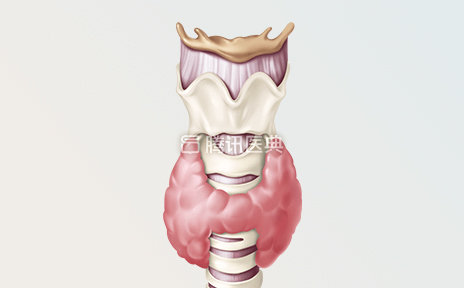
So, with that in mind, is it safe for everyone to receive my treatment?
In fact, not all thyroid cancer patients need me for treatment. It only needs to be done if the following three conditions are met at the same time:
▽ First, you have to be a differentiated thyroid cancer;
▽ Second, you have already undergone a total or almost total thyroid excision, and having half of it removed won’t work because I’ll hurt the other half of the thyroid tissue that wasn’t removed;
▽ Finally, postoperative pathology suggests a higher risk of recurrence, such as residual cancer cells still present.
At this point, you must be asking, Why does it have to be differentiated thyroid cancer? Can’t other types of thyroid cancer be? Yes, no. The exact reason for this has to start with the development of thyroid cancer.
Thyroid cancer occurs because of the effects of radiation, genetic factors, too much or too little iodine intake, and other factors that cause thyroid cells to grow at an accelerated rate. These abnormally growing cells, they also grow at different rates, some fast and some more slowly.
The fast-growing cells quickly become mature cells, that is, they become differentiated, called papillary or follicular carcinomas, which function similarly to the original normal thyroid cells and can also take in iodine, while the slow-growing cells do not become differentiated, but form medullary or undifferentiated carcinomas, which are not easy to deal with, they are “oil and salt”. “I can’t do anything about it, but to defeat them through external radiation therapy.
Fortunately, medullary and undifferentiated carcinomas account for a very small percentage of thyroid cancers, less than 10%, and differentiated carcinomas like papillary and follicular carcinomas, which are less malignant, can have a 10-year survival rate of more than 85% after treatment.
It is also important to note that if you are pregnant or breastfeeding, or if you are allergic to iodine, you should not use me for treatment either, or it could harm you or your fetus.
All this chatter with you is really to tell you that I’m not that scary. As long as you do what the doctor says, I will neither harm your other organs nor bring adverse effects to others, and in no time, you will be able to get rid of me successfully and live a healthy life.
Then you’ll be able to brag to your friends: I think I was one of those people who drank the radioactive stuff back in the day.
And I don’t have to take the blame for the walking “radioactive source”.