A recent initiative to donate blood has been spreading among friends. The blood bank’s blood reserve has been drastically reduced by the new coronavirus epidemic, and is far from adequate for patients in urgent need of blood, especially those with hematological tumors.

(Photo credit: Capital Window WeChat)
Today, we’re going to tell you about childhood leukemia, a childhood hematologic tumor that is not as scary as you might think and has a more promising treatment profile.
What is leukemia?
Leukemia is the most common malignancy in childhood.
Children with leukemia have a large malignant proliferation of leukemic cells in the bone marrow, which suppresses normal bone marrow hematopoiesis, decreases normal blood cells, decreases red blood cells and hemoglobin, causing anemia, decreases platelets leading to bleeding, and decreases normal white blood cells leading to infection.
Sick children often present with fever, pallor, malaise, shortness of breath after activity, bruising of the skin, and bleeding from the gums and nose for no apparent reason.
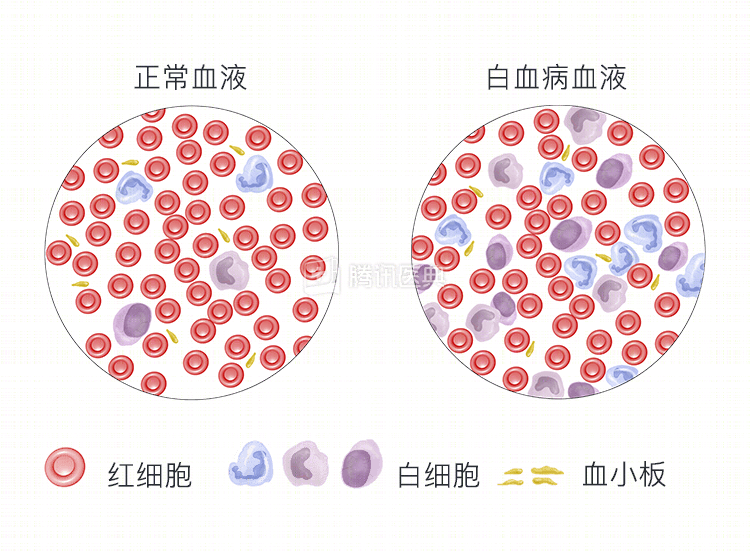
The etiology and pathogenesis of leukemia have not been fully studied.
At present, it is known to be associated with a number of risk factors, such as: viral infections, ionizing radiation, chemical factors (e.g., pesticides, benzene and its derivatives, formaldehyde, nitrosamines, etc.), and genetic factors, all of which may lead to leukemia.
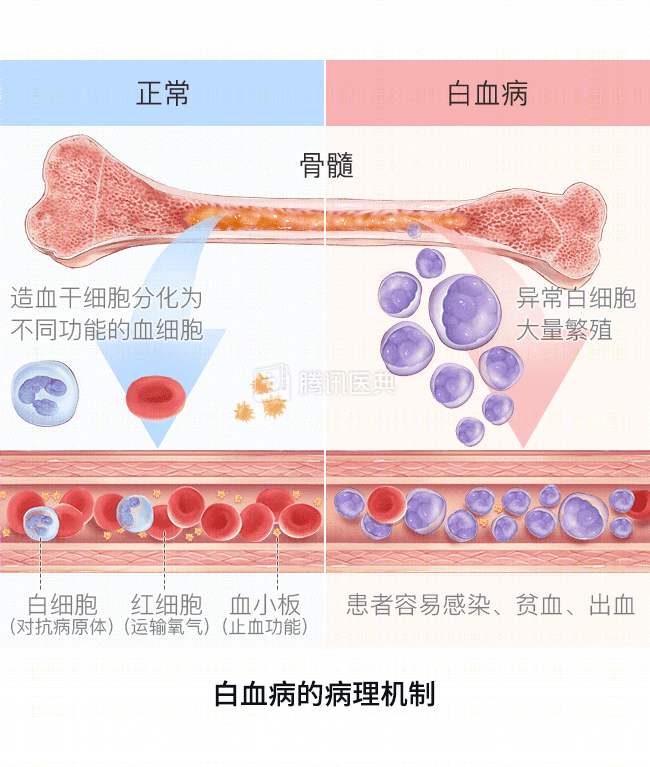
Statistics show that the incidence of leukemia in children under the age of 15 is about 4 in 100,000 and accounts for about 35% of all malignancies.
There are about 15,000 cases of leukemia in children under the age of 15 in China each year, of which acute leukemia accounts for 95% and chronic leukemia for only 3-5%.
This shows that the incidence of childhood leukemia is relatively high and should be given enough attention for early recognition and early diagnosis and treatment.
What are the clinical manifestations of leukemia?
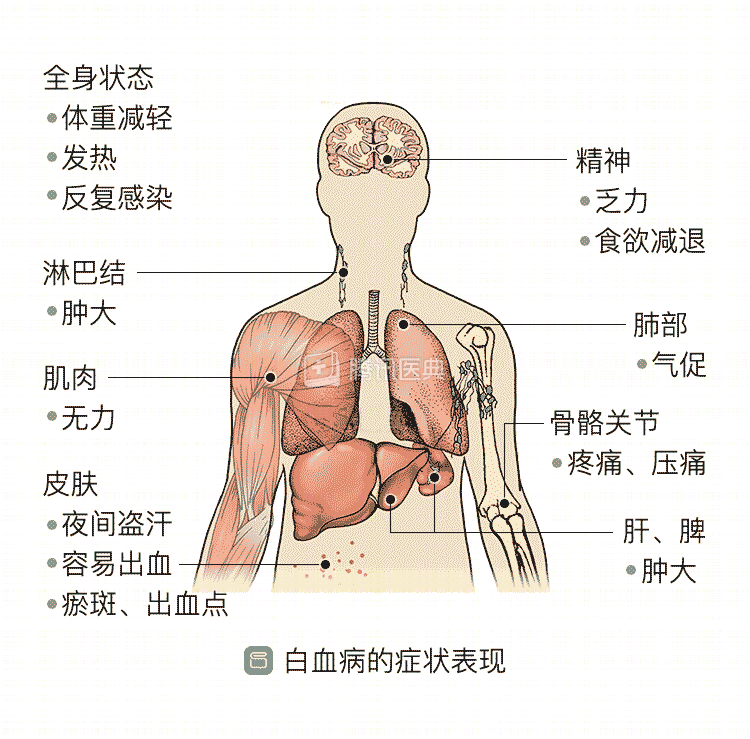
The typical symptoms of leukemia include fever, anemia, bleeding, infection, and joint pain.
Onset of disease
Most childhood leukemias have an acute onset. Early symptoms include fever, pallor, depression, malaise, loss of appetite, nosebleeds, bleeding gums, etc. A few children have bone and joint pain as the first symptom.
Fever
More than half of the children have an early presentation of fever, which may be low or high.
Anemia
Anemia is often the first symptom in children and worsens as the disease progresses, mainly manifesting as pallor, weakness, shortness of breath after activity, and drowsiness.
Bleeding
Bleeding may occur throughout the body, most commonly, unexplained petechiae on the skin, oral mucosal bleeding, nasal bleeding, gum bleeding, etc., but also gastrointestinal bleeding, hematuria, etc.
Manifestation of leukemic cell infiltration
Leukemic cell infiltration is said to be a series of reactions triggered by the entry of large numbers of abnormal white blood cells into various organs of the body.
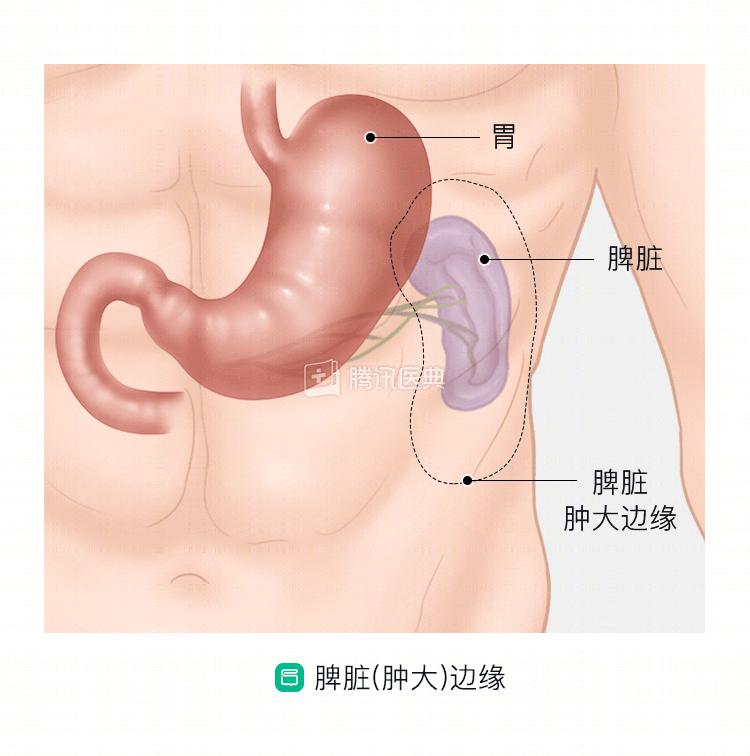
70% to 80% of children have varying degrees of liver and spleen, lymph node enlargement, bone and joint pain, and even manifestations of central nervous system and testicular infiltration.
Here’s a hint: parents should be alert to the onset of leukemia and need to seek prompt medical attention if their child is experiencing the following symptoms:
- Persistent fever for which no cause can be found, and treatment with antibiotics has not worked.
- Pale, anemic face, bleeding from the gums or nose or bleeding spots under the skin.
- Localized masses, or enlarged lymph nodes in the neck, submandibular, axillary, or groin.
- Loss of appetite and weight loss.
- Lumps in the upper abdomen.
- Chest pain, skeletal pain in the extremities or with skeletal pressure.
- Abnormally high or low white blood cells on blood tests, or with decreased red blood cells, hemoglobin and platelets.
Can leukemia be cured?
Leukemia is not incurable, and the cure rate for leukemia, especially in children, is much higher compared to adults.
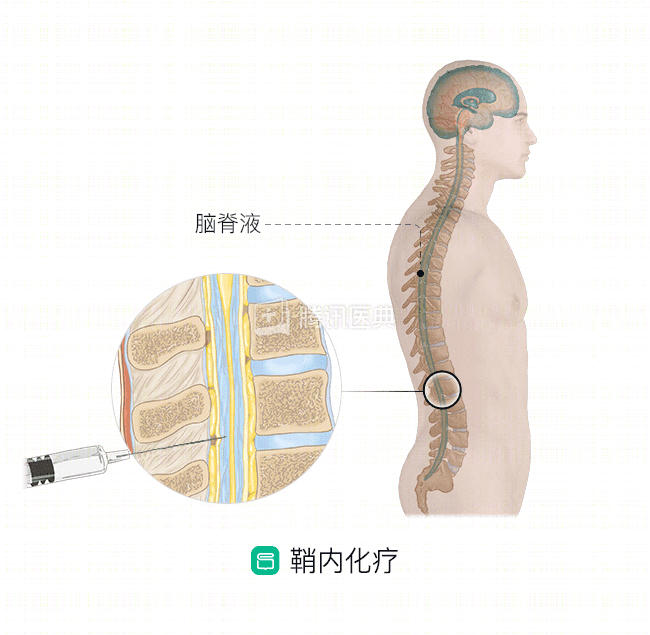
Acute leukemia is treated with chemotherapy, and depending on the type of leukemia, different combinations of chemotherapy drugs can be chosen.
For acute non-lymphoblastic leukemia, and some high-risk types of acute lymphoblastic leukemia, treatment with hematopoietic stem cell transplantation must also be added. 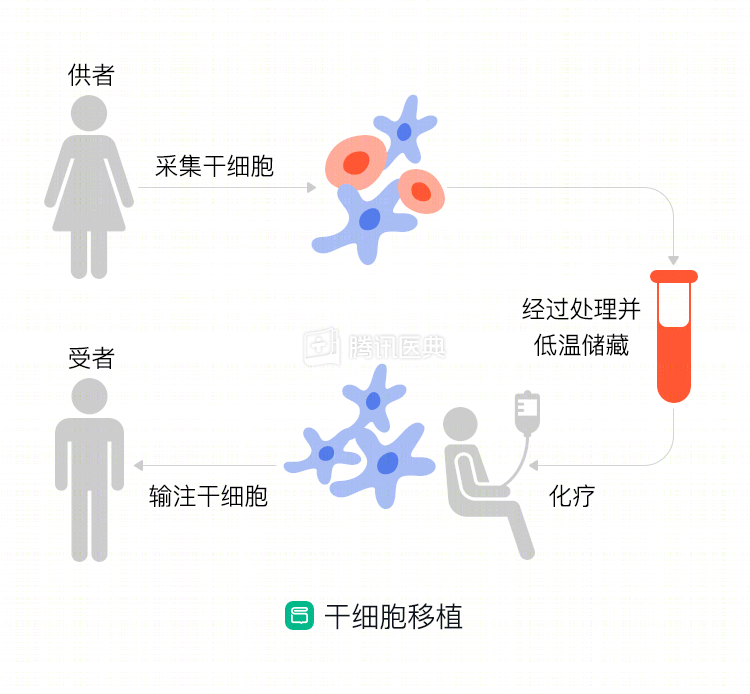
For some refractory relapsed cases, targeted therapies can also be added for treatment.
Concomitantly, symptomatic supportive therapy should be administered, such as: prevention and control of infection, component transfusions (transfusion of platelets or red blood cells), and colony-stimulating factor injections to promote bone marrow hematopoiesis.
Although the treatment process is arduous, the overall five-year survival rate for childhood acute lymphoblastic leukemia has reached 70% to 90%, and acute nonlymphoblastic leukemia has reached more than 70%. Among these, children with acute non-lymphoblastic leukemia, acute promyelocytic leukemia, have achieved a 90% cure rate with aggressive treatment. So the future is also more optimistic for leukemia, and it is important not to give up easily on the treatment of children with leukemia.
Related national policies
In recent years, the state has formulated the treatment standard for childhood leukemia, established the registration management system for childhood leukemia treatment, and put the treated children under full tracking management; implemented “one-stop” settlement services for basic medical insurance, major medical insurance, and medical assistance; and promoted the development and production of new drugs for childhood leukemia, which has reduced the burden of patients and medical insurance. The company is also promoting the development and production of new drugs for children with leukemia, reducing the burden on patients and medical insurance.
China has now established a network of 176 designated hospitals at the provincial level and 374 designated hospitals at the prefectural and municipal levels for the treatment of childhood leukemia, and large children’s hospitals have taken the lead in establishing pediatric medical groups or specialty alliances, covering 92% of the nation’s healthcare resources for children.
The National Health Commission has learned that in recent years, China’s capacity and level of protection for childhood leukemia has continued to improve, and more than 80% of childhood leukemia can be cured. We have expanded the centralized management of leukemia in poor children to all children, and this initiative has benefited 35,000 children with leukemia.
In conclusion, leukemia may be more prevalent than you think, but it is not as scary as you think, and it is one of the few malignancies that can be cured.