Common metastatic routes for thyroid cancer include lymph node metastases and bloodstream metastases.
Lymph node metastasis
Lymph node metastasis is when tumor cells enter and grow in the lymphatic tract. Thyroid cancer often metastasizes to the lymph nodes in the neck, and this is an important factor in patient outcomes.
Incidence of lymph node metastasis
There are four major pathological types of thyroid cancer (papillary, follicular, medullary, and undifferentiated), and the probability of developing lymph node metastasis in the neck is shown in the following table:
| Table 1: Incidence of cervical lymph node metastasis in thyroid cancer | |
| Percentage of metastases | |
| Papillary carcinoma | 30% to 60% |
| Follicular carcinoma | 10% to 20% |
| Medullary carcinoma | 30% to 50% |
| Undifferentiated carcinoma | 60% |
Which lymph nodes are susceptible to metastasis?
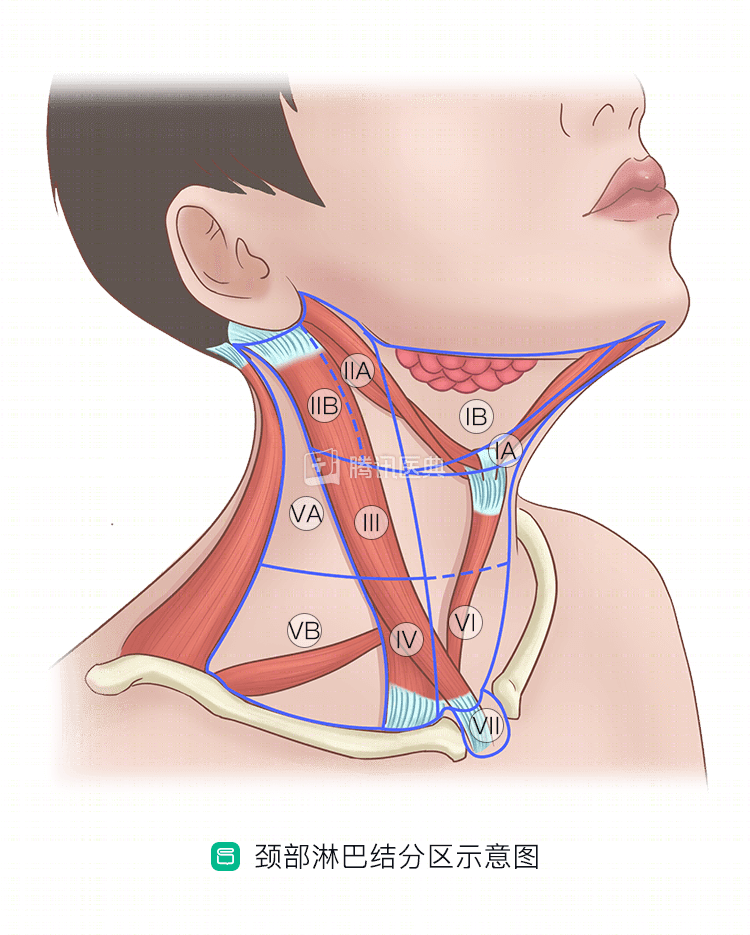
Lymph node metastases in the neck are commonly found in the central region (zones VI~VII in the figure), which is often the first stop for metastases. This is followed by the lateral cervical region (regions I~V in the figure, which commonly metastasize to regions II~V), often on top of lymph node metastasis in the central region.
Cancer cells often first reach the ipsilateral lymph nodes of the lesion, and a small number of papillary carcinomas may involve bilateral cervical lymph nodes.
A very small number of differentiated thyroid cancers metastasize in a “jump” fashion, that is, they “bypass” the central region and metastasize to the lateral cervical lymph nodes.
What are the symptoms of thyroid cancer with lymph node metastasis or local invasion?
When thyroid cancer develops metastatic lymph nodes in the neck, there may be no symptoms in the early stages and a painless lump in the neck when it grows to a certain size.
When the mass compresses and invades the surrounding tissues, the corresponding symptoms appear. For example, invasion of the larynx and trachea can cause airway obstruction, irritating cough, shortness of breath, and difficulty breathing; invasion of the esophagus can cause choking on food and difficulty swallowing; and invasion of the laryngeal nerve can cause hoarseness and choking on water.
How can you tell if a lymph node metastasis has occurred in the neck?
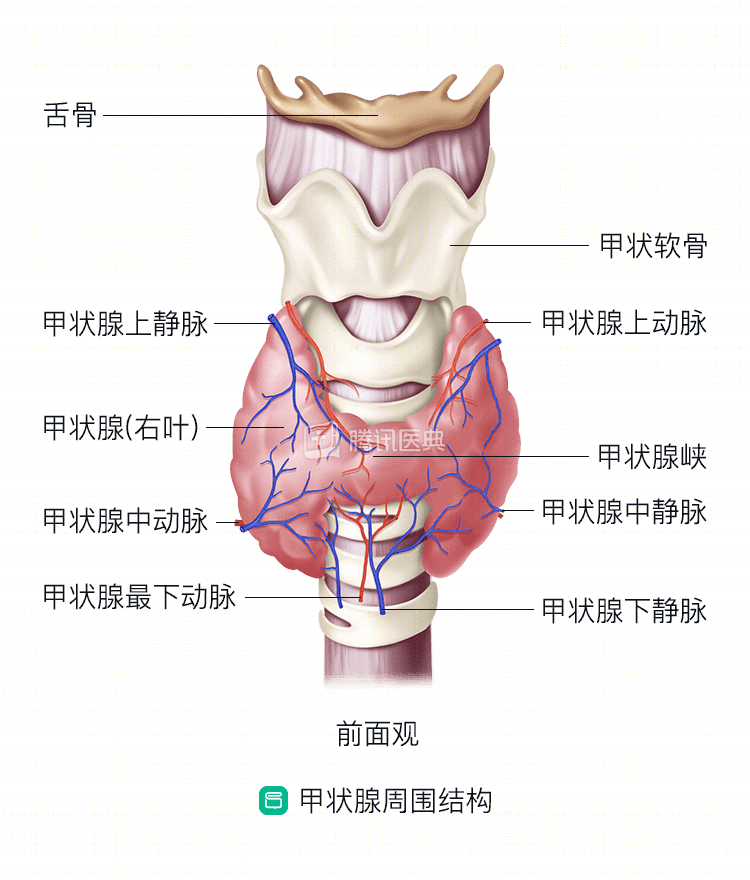
Patients with thyroid cancer have a preoperative ultrasound of the neck to not only look at the primary cancer site, but also to potentially detect metastases in the lymph nodes of the neck. If the ultrasound suspects metastasis, your doctor will sometimes recommend an enhanced CT and a lymph node aspiration biopsy.
How are metastases to the lymph nodes in the neck treated?
Like the primary cancer, metastases to the lymph nodes in the neck are preferred for surgical removal, called “cervical lymph node dissection. For more information, please click below.
Related reading:
Hematologic transfer
Bloodway metastasis, refers to cancer cells entering the blood circulation and metastasizing to distant organs throughout the body, such as lung, liver, brain, bone, etc.
Incidence of bloodway metastasis
|
Table 2: Incidence of distant metastases by type of thyroid cancer |
|
| Incidence | |
| Papillary carcinoma | 1% to 4% occurring at initial diagnosis; 2.5% to 5% occurring after initial surgery |
| Follicular carcinoma | 7% to 28% |
| Lowly differentiated and undifferentiated carcinoma | nearly 50% |
| Medullary carcinoma | 10% to 15% |
What are the common sites of metastasis?
The most common site of metastasis is the lung (50%); followed by the bone (25%), and other sites. The preferred sites are the spine, ribs, and pelvis, in that order; if brain metastases occur, they are more often seen in the brain and less often in the cerebellum.
What are the symptoms of distant metastases?
Where metastases occur, the corresponding symptoms appear. For example, brain metastases can cause headache and dizziness, nausea and vomiting, and mental abnormalities; lung or chest metastases cause cough, hemoptysis, and chest discomfort; bone metastases may cause pathological fractures, pain, and compression symptoms.
What happens after distant metastases occur?
What happens after distant metastases?
After distant metastases occur, treatment options that your doctor may consider include:
- Surgery is preferred if the physician assesses that surgical resection is possible;
- Radioactive iodine (RAI) therapy may be attempted if the metastatic lesion is capable of iodine uptake;
- External radiation therapy;
- If the tumor is not progressing or is progressing slowly, is asymptomatic, and is not invading important areas (such as the brain and spinal cord), the physician may also recommend close observation under endocrine therapy (taking thyroxine tablets);
- For refractory differentiated thyroid cancer with rapidly progressive disease (cancerous tissue that does not take up iodine), chemotherapy and new targeted therapies may be tried.
Related reading:
Co-written by: Fudan University Cancer Hospital Dr. Kai Qian Dr. Tingting Zhang